
What Are Fishing Rod Guide Brackets?
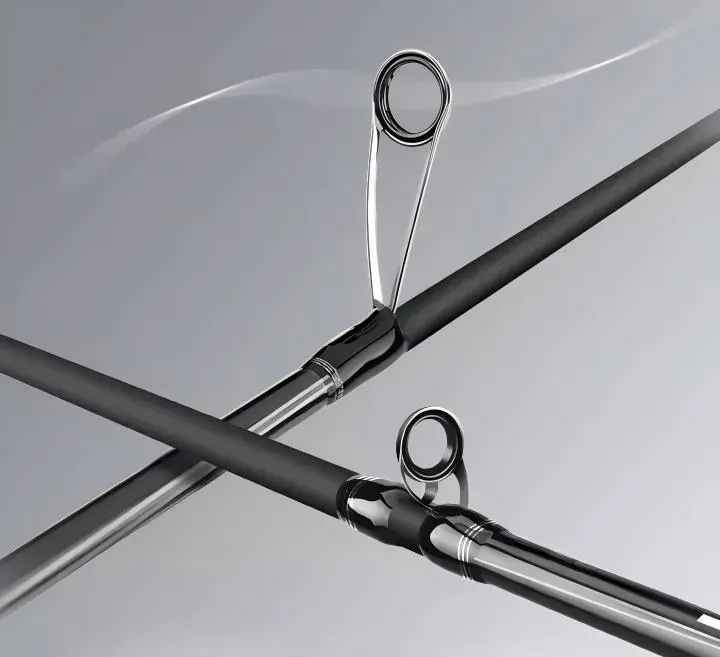
Fishing rod guide brackets are the high-performance structural frames that hold ceramic guide rings in place along a fishing rod blank. As essential fishing rod components, they play a critical role in line control, casting distance, and overall rod sensitivity.
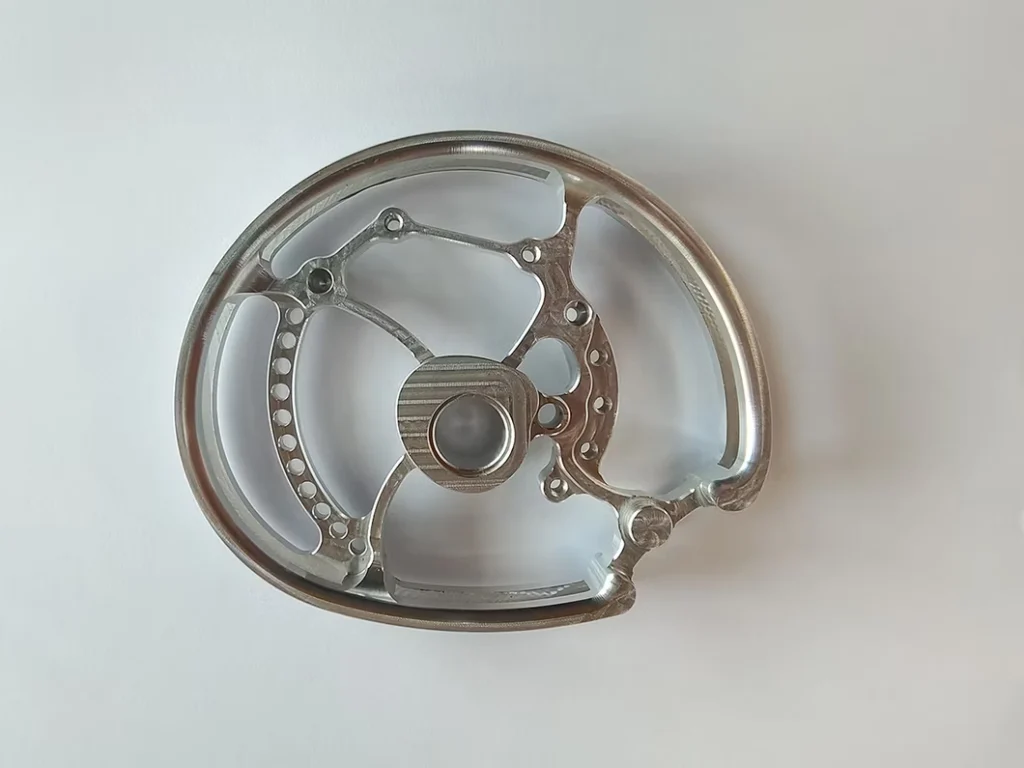
Achieving a professional-grade rod guide frame requires more than just shape—it requires extreme lightweighting and absolute resistance to the elements. High-end brands now turn to CNC machining fishing rod guide brackets to achieve skeletonized designs and micron-level precision that traditional stamping simply cannot match.
What Do Better Guide Brackets Mean for Your Rod?
Upgrading to precision fishing gear components directly impacts the performance of the final product:
- Longer Casting Distance: Smoother line flow through perfectly aligned frames.
- Higher Rod Sensitivity: Ultralight frames allow the angler to detect the subtlest bites.
- Zero Saltwater Corrosion: Lifetime durability even in the harshest marine environments.
- Premium Brand Positioning: Distinguishes your rods from mass-market stamped gear.
Applications of CNC Machined Fishing Rod Guide Brackets
Our rod guide frames are trusted by premium brands across various specialized angling sectors:
- Saltwater Big Game Rods: Built to withstand high-G loads and relentless salt spray.
- Fly Fishing Rods: Where minimizing “swing weight” is critical for casting accuracy.
- Professional Bass Rods: Requiring maximum sensitivity and skeletonized thin-walled CNC parts machining.
CNC Machining vs. Stamping for Rod Guide Frames
For professional-grade rods, CNC machining is the superior choice for durability and performance.
| Feature | Stamped Metal Guides | Rapidefficient CNC Machining |
| Material Density | Cold-formed (Residual stress) | 100% Solid Billet (Aluminum CNC Machining) |
| Design Flexibility | Limited to flat bend shapes | Complex 3D skeletonized geometry |
| Tolerance Control | $\pm 0.1$ mm | $\pm 0.01$ mm (Micron-level) |
| Saltwater Life | Prone to pitting at joints | Zero-pitting heat sink machining finish |
🚀 Case Study: 20% Weight Reduction for a Premium Fly Rod Series
The Challenge:
A high-end brand needed to improve the “blank recovery speed” of their rods. Their existing stamped titanium guides were too bulky.
Our Engineering Solution:
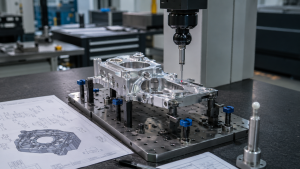
We redesigned the frames using 5-axis CNC milling. By holding a tolerance of $+0.005 \ / \ -0.00$ mm on the ring seat (adapted from our precision wafer carrier machining standards), we ensured a permanent, crack-free fit for the ceramic rings.
The Result:
The guide sets were 22% lighter. Professional field testers reported significant increases in casting distance and sensitivity, helping the brand dominate the premium market.
Custom CNC Machining for Premium Fishing Gear Brands
Ready to upgrade your rod series with the world’s most precise fishing rod guide brackets? At Rapidefficient, we support high-end brands with rapid prototyping and scalable production. 👉 Upload your guide designs today for a fast engineering review and quote.
FAQ: CNC Machining for Fishing Rod Components
1. How do CNC machined guides improve casting distance? CNC machining allows for perfect concentricity and ultra-smooth surface finishes on the guide frame. This ensures that the fishing line encounters minimal friction and flows in a perfectly straight path.
2. Can you provide custom logos on the guide brackets? Yes. We offer high-precision fiber laser marking for branding, allowing manufacturers to include logos directly on the rod guide frame.
3. How to choose the right fishing rod guide brackets for your product line? The choice depends on your target market. Titanium is ideal for premium saltwater rods, while 7075 aluminum offers a balance between cost and performance for freshwater. Weight, corrosion resistance, and brand positioning are the key factors.