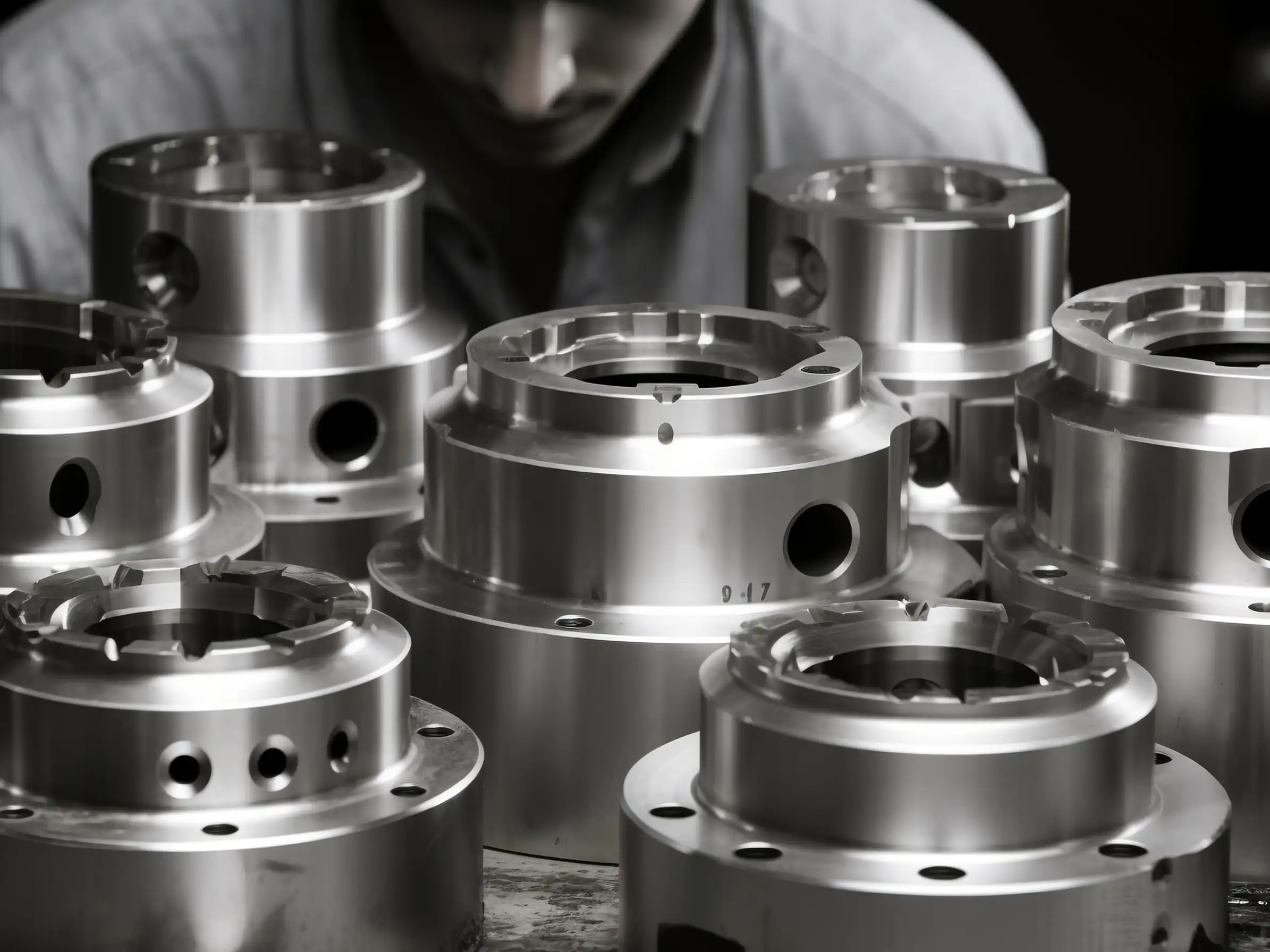

CNC Machining Services
From prototypes and low-volume batches to repeat production, Rapid Efficient provides CNC machining support for custom metal and engineering-plastic parts.
Upload your drawing to review the machining route, material requirements, critical tolerances, surface finish, and inspection needs before quotation.
Upload Your Drawing for CNC Machining Review
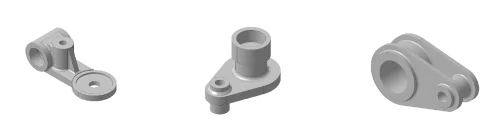


CNC Machining Support for Custom Parts
Rapid Efficient provides CNC machining support for custom parts made from aluminum, stainless steel, copper alloys, brass, engineering plastics, and other project-specific materials.
Depending on the geometry, your project may require CNC milling, CNC turning, multi-side machining, thread machining, deburring, surface finishing, and dimensional inspection.
Before quotation, we review the drawing, material grade, quantity, critical tolerances, surface-finish requirements, and inspection needs to identify a practical machining route.

CNC machining uses programmed toolpaths to remove material from a solid workpiece and produce accurate custom parts with repeatable dimensions and controlled surface quality.
Depending on the geometry, a project may involve CNC milling, CNC turning, drilling, threading, multi-side machining, or 4-axis and 5-axis operations. Rapid Efficient supports custom parts made from aluminum, stainless steel, copper alloys, brass, engineering plastics, and other project-specific materials.
The real advantage of CNC machining is not automation alone. A reliable machining plan must connect tool access, material behavior, critical tolerances, surface-finishing requirements, inspection methods, and delivery priorities from the beginning.
From functional prototypes and low-volume batches to repeat production, our team can review your drawing before quotation and recommend a practical machining route for housings, brackets, shafts, bushings, flanges, fixtures, sensor components, motor-related parts, and other custom components.
Explore our CNC machining design guide
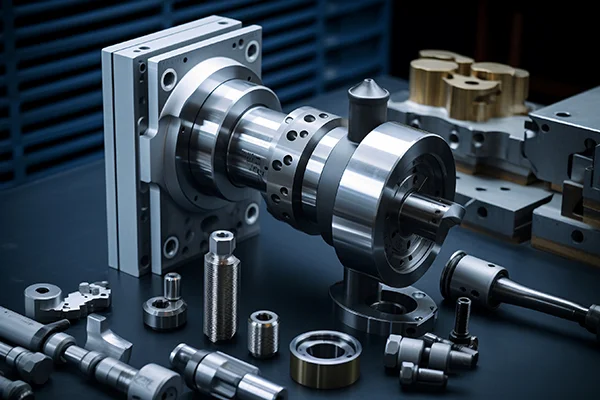
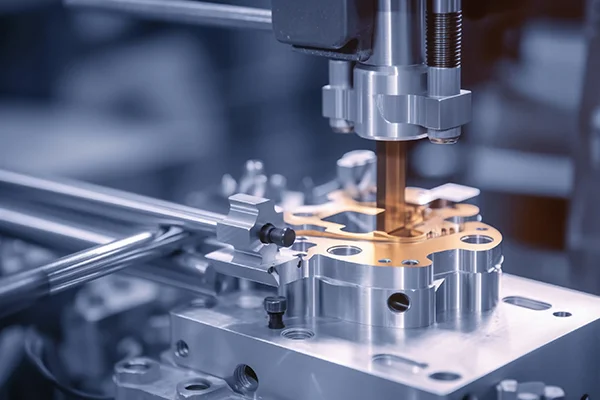
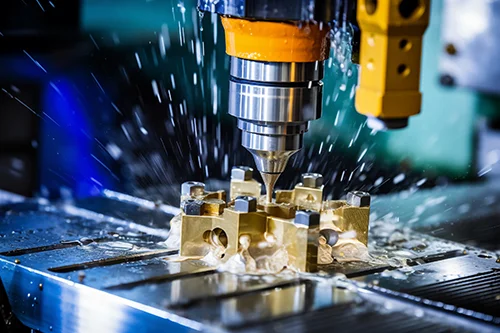
Rapid CNC Prototyping for Complex Parts
Move from design review to functional parts faster with CNC machining for complex custom components.
We support prototypes for housings, brackets, fixtures, mechanical components, and parts with pockets, holes, threads, and multi-surface features. Drawing review helps identify tool-access risks, tolerance priorities, and finishing requirements before machining begins.
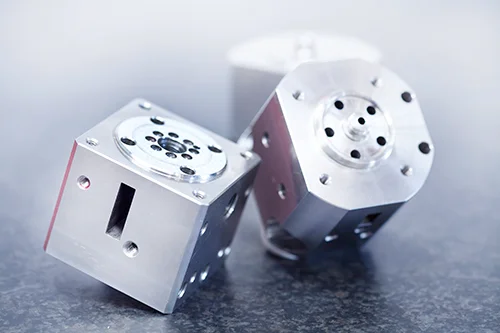
Low-Volume CNC Production
Bridge the gap between prototype validation and repeat production with flexible low-volume CNC machining.
We coordinate material selection, machining, inspection, surface finishing, and packaging for small batches that require stable quality and practical lead times. Expedited schedules are available for suitable projects.
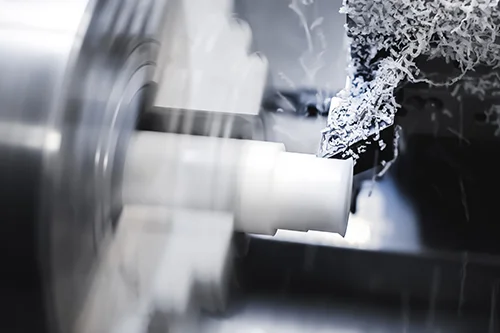
Precision CNC Turning
CNC turning supports shafts, sleeves, bushings, flanges, threaded parts, rings, and other rotational components.
We review material grade, diameter, bore requirements, threads, grooves, run-out, surface finish, and quantity before production. Fast delivery and repeatable quality remain the priority from drawing review to shipment.
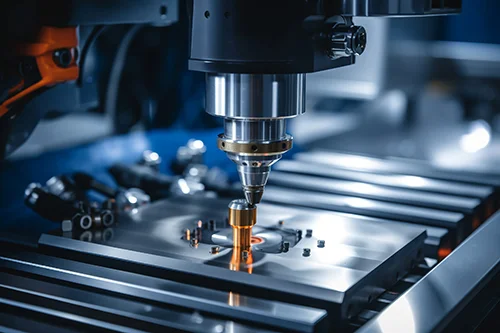
CNC Milling for Custom Parts
CNC milling supports housings, brackets, plates, fixtures, heat-dissipation parts, and components with pockets, slots, holes, and multiple machined faces.
From rapid prototypes to repeat orders, we focus on practical tool access, stable machining, controlled tolerances, and reliable surface quality.
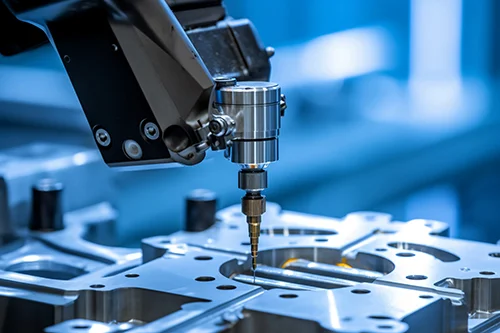
Metal CNC Machining
We machine aluminum, stainless steel, copper alloys, brass, steel, and other project-specific metals for custom mechanical parts.
Material grade, geometry, critical fits, threads, surface finish, and inspection requirements are reviewed before production to improve consistency and reduce avoidable risk.
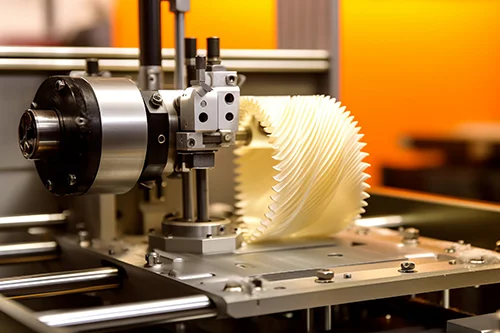
Engineering-Plastic CNC Machining
Engineering plastics require a different machining strategy from metals. We support custom parts made from POM, PEEK, nylon, PTFE, PC, PMMA, and other application-specific plastics.
Our team reviews material behavior, wall thickness, dimensional stability, burr control, and inspection conditions before machining.


Explore a selection of custom CNC machined components supported by Rapid Efficient, including housings, brackets, shafts, sleeves, flanges, fixtures, precision metal parts, and engineering-plastic components.
Each project is reviewed according to its geometry, material grade, tolerance requirements, surface finish, inspection needs, and production quantity. From rapid prototypes to repeat orders, we focus on fast response, stable quality, and practical delivery planning.

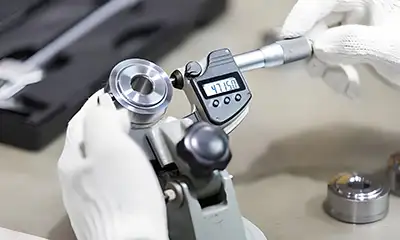
Precision machining begins with a clear tolerance strategy. Rapid Efficient reviews critical features such as bearing bores, datum relationships, position-controlled hole patterns, sealing faces, flatness, perpendicularity, run-out, threads, and mating surfaces before production.
Features requiring ±0.01 mm or tighter can be reviewed individually according to geometry, material behavior, machining route, and inspection method. Instead of applying tight tolerances to every dimension, we focus inspection effort where it protects fit, function, and repeatable quality.
For a more detailed comparison by material and feature type, review our CNC machining tolerance chart.
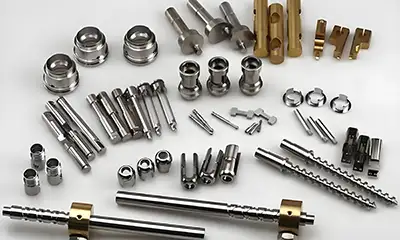
Material selection affects machining speed, tool wear, burr formation, dimensional stability, surface appearance, finishing compatibility, and final cost.
Rapid Efficient supports CNC machining for aluminum, stainless steel, carbon steel, alloy steel, copper alloys, brass, bronze, titanium alloys, and other project-specific metals. Engineering-plastic options include POM, PEEK, nylon, PTFE, PC, PMMA, PPS, PEI, and other application-specific materials.
Our team can review the grade, temper, stock form, tolerance requirements, operating environment, and surface-finish route before quotation to help identify a practical material option.
Explore our CNC machining materials guide for a more detailed comparison.
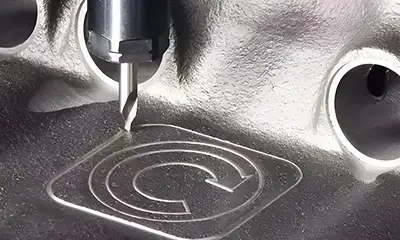
Surface finishing should be confirmed before machining begins. The selected finish can influence appearance, corrosion resistance, wear resistance, dimensional allowance, thread fit, masking requirements, inspection, packaging, and delivery planning.
Available finishing options may include anodizing, hard anodizing, bead blasting, passivation, polishing, plating, painting, powder coating, laser engraving, and other project-specific treatments.
Before production, we review cosmetic surfaces, mating faces, sealing areas, threads, holes, masking zones, and handling requirements to help maintain stable quality after finishing.
For aluminum components, review our surface finish guide for CNC aluminum.
Review Thin Walls Early
Thin walls can deform under cutting forces, heat, and clamping pressure. The practical wall thickness depends on the material, feature height, unsupported length, geometry, tolerance requirements, and machining route.
For housings, deep pockets, tall ribs, and engineering-plastic parts, review rigidity before production. Increasing local support, reducing unsupported height, or using staged roughing and finishing can improve dimensional stability.
Keep Engraving Simple and Readable
Text, logos, serial numbers, and part markings can be added by machining or laser engraving, depending on the material and appearance requirements.
Use clear fonts, practical character sizes, and sufficient spacing. Recessed engraving is usually easier to protect during handling than raised text. Confirm the marking method, location, depth, and cosmetic expectations before production.
Specify Threads Clearly
Use standard thread sizes and pitches whenever possible. The drawing should identify the thread standard, nominal size, pitch, through-hole or blind-hole condition, usable engagement length, and any gauge requirements.
Blind threads need additional bottom clearance for drill-point geometry, chip evacuation, and thread runout. Small threads in stainless steel, copper alloys, and soft materials should be reviewed early because tool wear, burr formation, and thread quality can affect production stability.
Use Practical Internal Radii
Standard milling tools are round, so milled pockets naturally leave an internal radius. A very small corner radius may require a smaller tool, slower cutting parameters, additional tool changes, and longer cycle times.
Use the largest practical internal radius that does not interfere with assembly. When a square or sharp-cornered mating component must fit into a pocket, dog-bone relief may be a better solution.
Review Deep Cavities, Narrow Grooves, and Deep Holes
Deep cavities, narrow grooves, and deep holes can increase tool deflection, vibration, chip-evacuation difficulty, coolant-access risk, and inspection complexity.
Review cavity depth together with opening width, internal radius, tool reach, and surface-finish requirements. For drilled holes, features approaching approximately 6×D or deeper should usually be reviewed separately. The final machining strategy depends on the material, diameter, tolerance, access direction, and equipment.
Need a deeper review? Read our complete CNC machining design guide.
Whether you need a one-off functional prototype, a low-volume batch, or repeat production parts, Rapid Efficient can coordinate the machining route, inspection plan, surface finish, packaging, and delivery schedule around your project requirements.
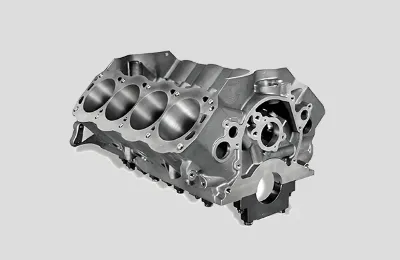
Move from drawing review to functional parts faster with CNC machining for prototypes, design verification, assembly testing, and engineering evaluation.
For suitable projects, expedited delivery can be arranged from as little as 3 working days.


Bridge the gap between prototype approval and repeat production with flexible low-volume CNC machining.
We coordinate material selection, machining, dimensional inspection, surface finishing, and packaging to maintain stable quality across each batch.

For repeat orders, we focus on drawing-revision control, material consistency, critical-feature inspection, surface-finish stability, and practical delivery planning.
The goal is simple: reliable parts, responsive communication, and consistent supply.
Secure file upload. Fast quotation and machining review for your custom CNC parts.
Find quick answers about tolerances, materials, inspection, surface finishing, quotation requirements, and delivery schedules for custom CNC machined parts.
What tolerances can you achieve for CNC machined parts?
Tolerance requirements depend on the material, geometry, feature size, wall thickness, machining route, and inspection method.
Many critical features can be reviewed to ±0.01 mm. Tighter requirements may also be evaluated individually according to datum relationships, tool access, dimensional stability, and functional needs.
Instead of applying tight tolerances to every dimension, we focus machining and inspection effort where it protects fit, function, and repeatable quality.
How do you control quality for low-volume CNC production?
Quality control begins before machining. We review the drawing, material grade, critical dimensions, datum relationships, threads, surface finish, and inspection requirements before production.
Depending on the project, inspection may include calipers, micrometers, pin gauges, thread gauges, height gauges, surface checks, and CMM inspection for critical features.
Inspection reports and material certificates can be coordinated upon request.
How is the cost of CNC machining calculated?
CNC machining cost depends on the material, part geometry, quantity, tolerance level, setup count, machining time, surface finish, and inspection requirements.
Thin walls, deep cavities, small internal radii, tight tolerances, special threads, and complex finishing routes may increase cost.
Upload your drawing and quantity requirements to receive a project-specific quotation.
What information should I provide for a CNC machining quote?
For a faster and more accurate quotation, send your 2D drawing and 3D CAD file where available.
Please also include the material grade, quantity, critical tolerances, thread specifications, surface finish, inspection requirements, delivery destination, and target schedule.
Accepted file formats may include STEP, STP, IGS, IGES, X_T, PDF, DWG, and DXF.
Can you review my design before production?
Yes. We can review your drawing for common CNC machining risks such as thin walls, deep cavities, small internal radii, difficult tool access, blind threads, tolerance concentration, and surface-finishing allowances.
Our goal is to identify avoidable manufacturing risks early while preserving the intended function of your part.
For a deeper review, explore our CNC machining design guide.
How quickly can I receive a quotation?
Many quotations can be returned within 1 working day after we receive the drawing, material requirement, quantity, and surface-finish information.
Complex parts, tight-tolerance projects, and special materials may require additional engineering review before pricing is confirmed.
What materials can you machine?
We support CNC machining for aluminum, stainless steel, carbon steel, alloy steel, copper alloys, brass, bronze, titanium alloys, and other project-specific metals.
Engineering-plastic options may include POM, PEEK, nylon, PTFE, PC, PMMA, PPS, PEI, and other application-specific materials.
The final material grade should be confirmed according to the drawing, operating environment, tolerance requirements, and surface-finish route.
Explore our CNC machining materials guide.
Can you provide inspection reports for CNC machined parts?
Yes. Inspection reports can be coordinated according to the project requirements.
Depending on the drawing, this may include dimensional inspection records, material certificates, thread checks, surface review, and CMM inspection for critical features.
Please confirm your reporting requirements before quotation so the inspection plan can be included in the production route.
Learn more about our quality assurance process.
What surface finishes are available for CNC machined parts?
Available finishing options may include as-machined surfaces, bead blasting, anodizing, hard anodizing, passivation, polishing, plating, painting, powder coating, and laser engraving.
The selected finish can affect appearance, corrosion resistance, wear resistance, dimensional allowance, masking requirements, packaging, and final inspection.
Confirm cosmetic surfaces, mating faces, threads, holes, and sealing areas before production.
Do you support prototypes and repeat production?
Yes. Rapid Efficient supports one-off functional prototypes, low-volume CNC machining, and repeat production orders.
For repeat projects, we focus on drawing-revision control, material consistency, critical-feature inspection, surface-finish stability, packaging requirements, and delivery planning.
How are my drawings and project files protected?
Your uploaded drawings and project files are treated as confidential and used only for quotation review, engineering communication, and production coordination.
If your project requires additional confidentiality arrangements, please let us know before uploading the files.
How fast can you deliver CNC machined parts?
For suitable projects, expedited delivery can be arranged from as little as 3 working days.
Many standard CNC machining projects can be scheduled within approximately 7–12 working days after the drawing, material, quantity, surface finish, and production conditions are confirmed.
Complex geometries, tight tolerances, special materials, surface treatments, and larger quantities may require additional time.
Rapid Efficient supports custom CNC machined parts for industries where speed, dimensional control, material performance, and consistent quality matter. From functional prototypes to repeat production, each project is reviewed according to its geometry, material, tolerance requirements, finishing route, and inspection needs.
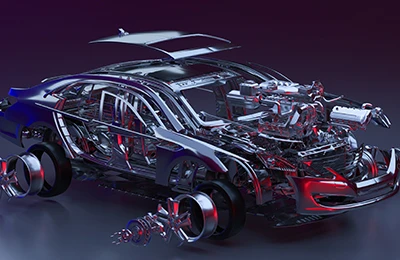
CNC machining support for brackets, housings, bushings, shafts, adapters, fixtures, sensor components, and custom mechanical parts used in automotive and mobility projects.

Precision-machined components for robotic arms, automation equipment, end effectors, joints, motor-related parts, sensor housings, fixtures, and assembly tooling.

Custom CNC machined parts for medical-device equipment, diagnostic instruments, laboratory systems, housings, fixtures, valves, adapters, and non-implant mechanical components.

Machining support for lightweight housings, brackets, fixtures, structural components, test parts, and complex aluminum or titanium components for aerospace-related applications.

CNC machining for enclosures, frames, heat-dissipation parts, buttons, brackets, fixtures, connector components, and appearance-sensitive aluminum parts.

Custom parts for energy-storage systems, EV-related equipment, motor housings, thermal-management components, brackets, connectors, fixtures, and mechanical assemblies.

CNC machined housings, shafts, sleeves, brackets, fixtures, machine components, mounting parts, and replacement components for industrial equipment and production systems.

Precision-machined parts for semiconductor equipment, automation modules, fixtures, plates, brackets, housings, and components requiring controlled dimensions and clean surface finishes.