

Blog List
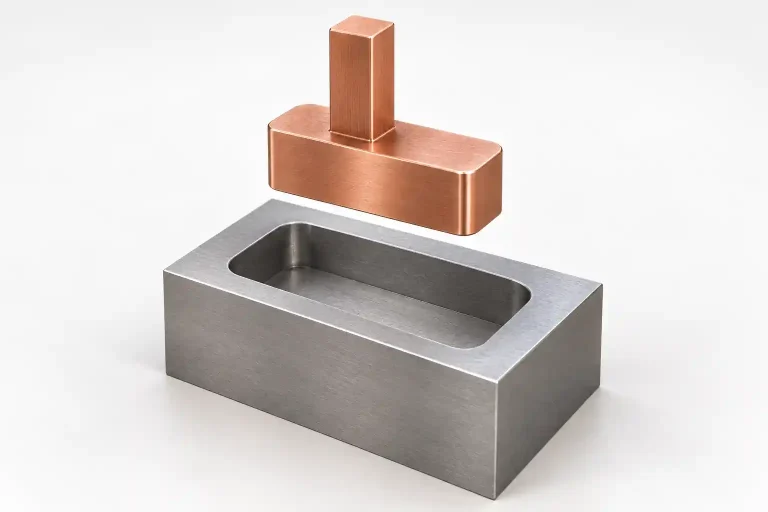
Sinker EDM vs Wire EDM: Check the Electrode Path
Choose between sinker EDM and wire EDM by checking how the electrode can reach the feature while leaving the required…
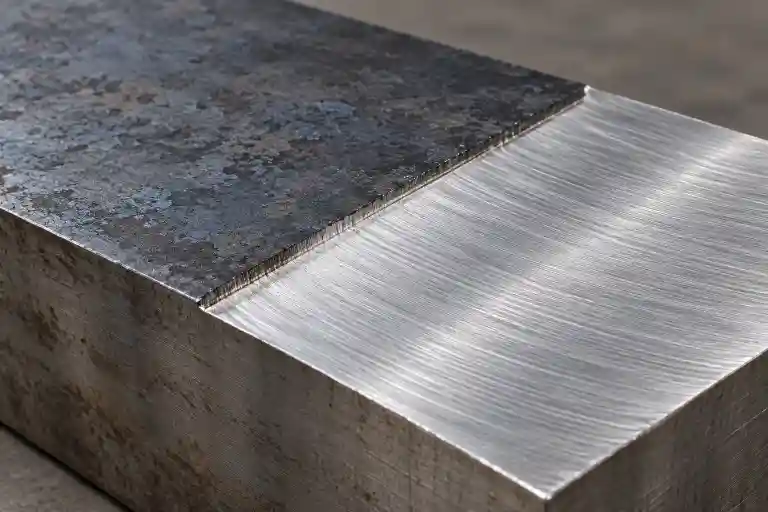
Hot Rolled vs Cold Rolled Steel: Buying Machining Stock
For CNC parts, cold-rolled steel is worth considering when its supplied surface and dimensions can remove work from the manufacturing…
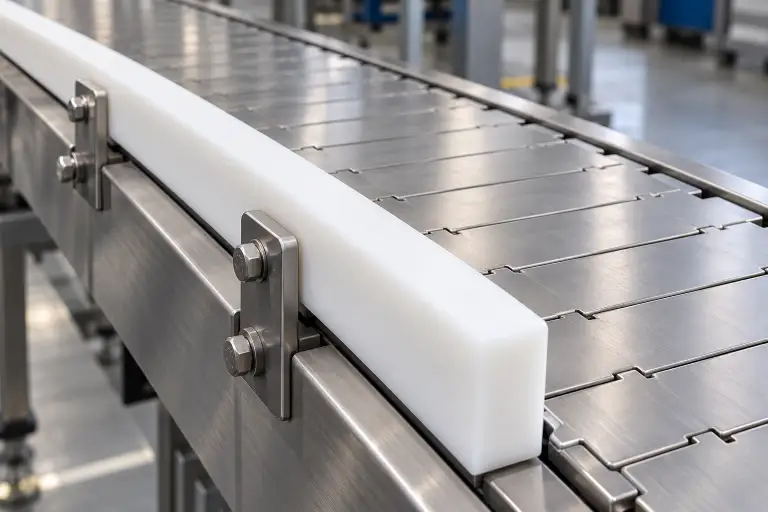
HDPE vs UHMW: Choosing Plastic for Machined Wear Parts
For machined guides, wear strips, and contact pads, UHMW is usually the better starting point when repeated sliding and abrasion…
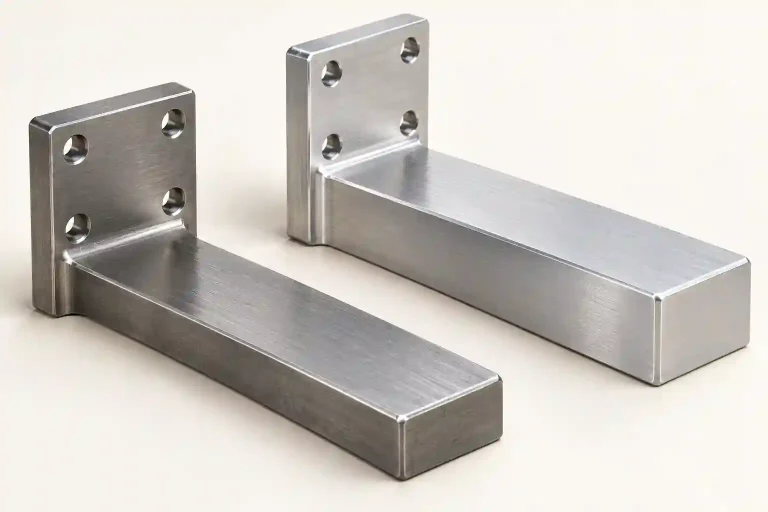
Steel vs Aluminum: Can the Same CNC Design Work?
For CNC parts, a steel vs aluminum comparison starts with whether the geometry can change. Aluminum can reduce mass, but…
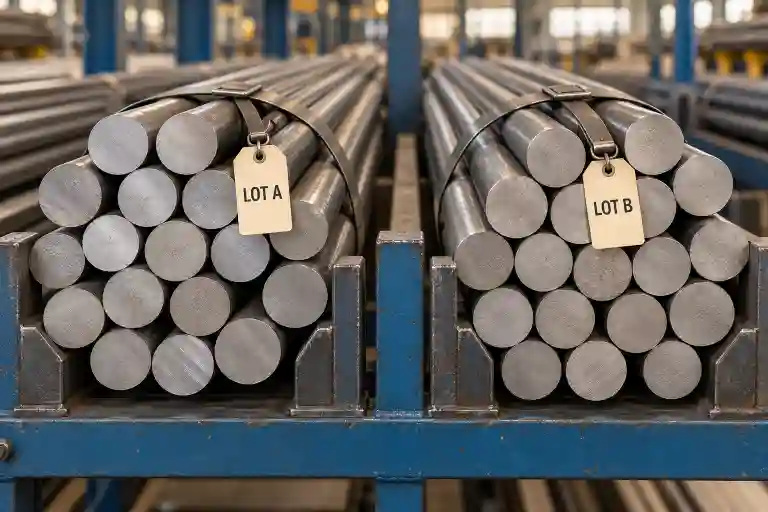
Material Certification for CNC Parts: What to Request
For metal CNC parts, a material certification request should identify the required material specification, the document to be supplied, and…
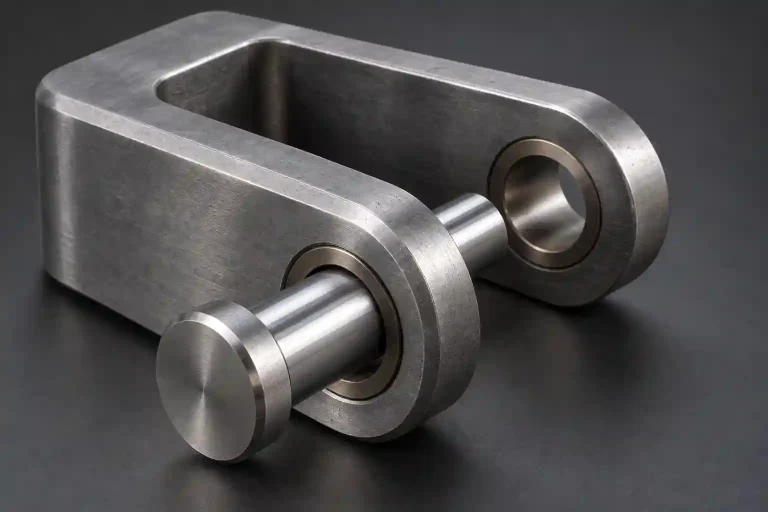
1018 vs 1045 Steel: Choosing a Grade for CNC Parts
1018 is often a practical choice for machined parts that need welding, forming, or general mechanical service without a demanding…
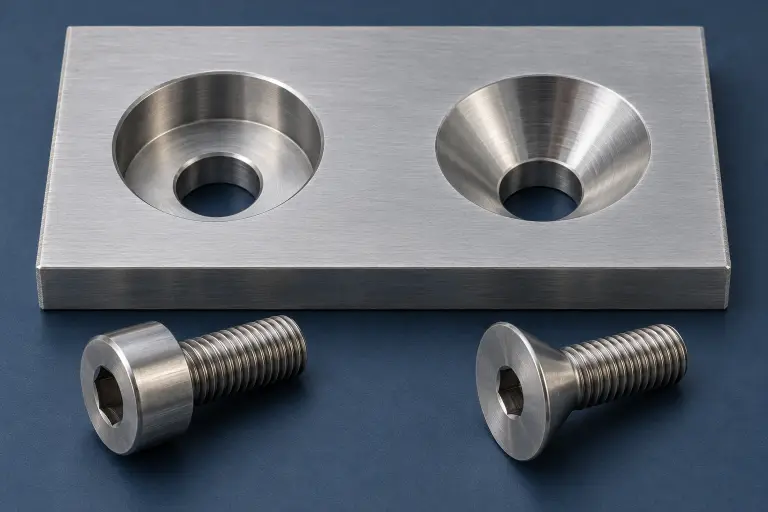
Counterbore vs Countersink: Choosing the Screw Seat
A counterbore provides a cylindrical recess with a flat bearing floor. A countersink provides a conical seat. For a recessed…
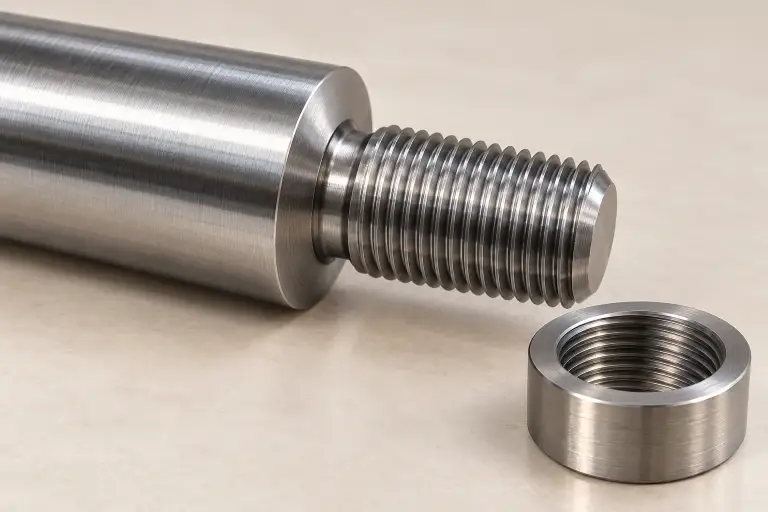
Thread Relief: Full Threads and Shoulder Clearance
A threaded collar can turn freely along a shaft and still stop before its face reaches the shoulder. The obstruction…
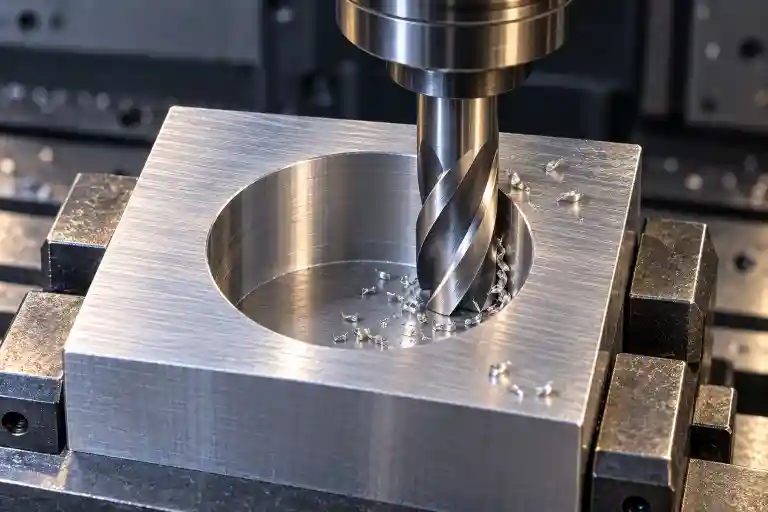
Helical Milling: Hole Diameter, Pitch, and Feed
Helical milling uses a rotating milling cutter that travels around a hole while moving along its axis. The combined circular…