

Blog List
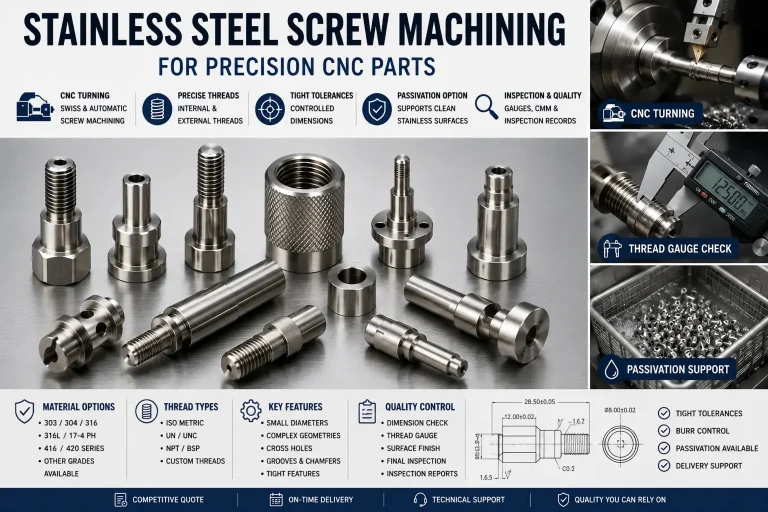
Stainless Steel Screw Machining for Precision CNC Parts
Stainless steel screw machining is often used for small turned parts, threaded components, shafts, pins, sleeves, inserts, spacers, connectors, and…
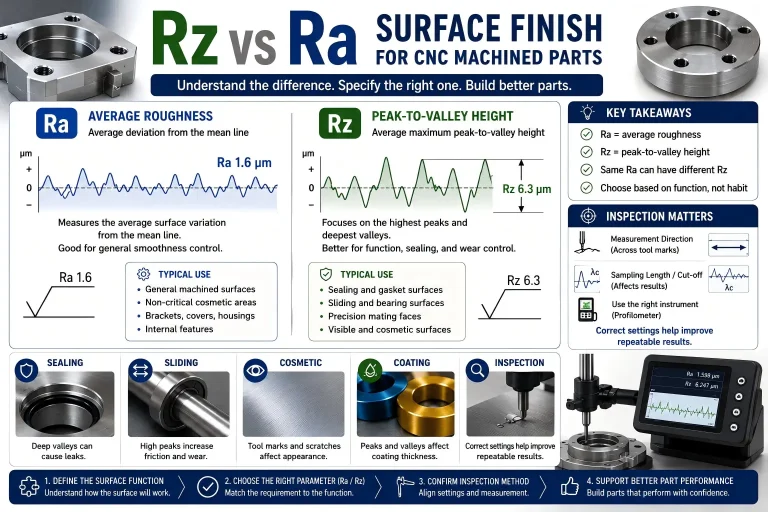
Rz vs Ra Surface Finish for CNC Machined Parts
A CNC drawing may say Ra 1.6 μm, Rz 6.3 μm, or sometimes an older roughness note such as 32…
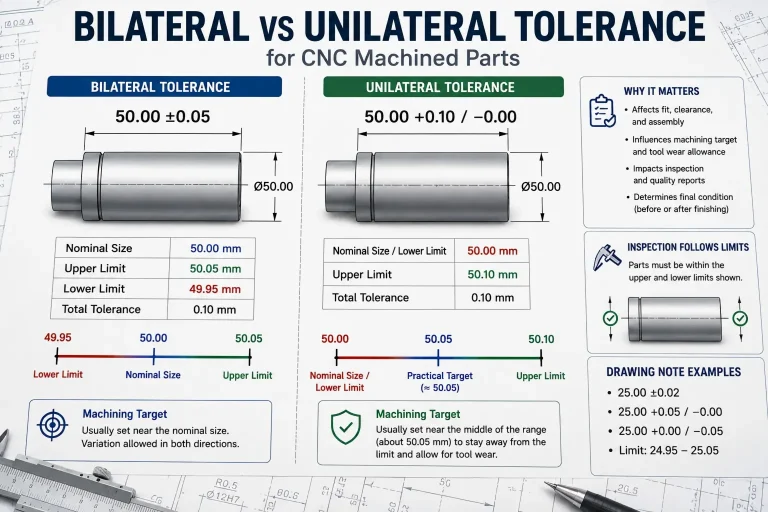
Bilateral vs Unilateral Tolerance for CNC Machined Parts
A small tolerance note can change how a CNC part is machined, inspected, and accepted. For example, these two drawing…
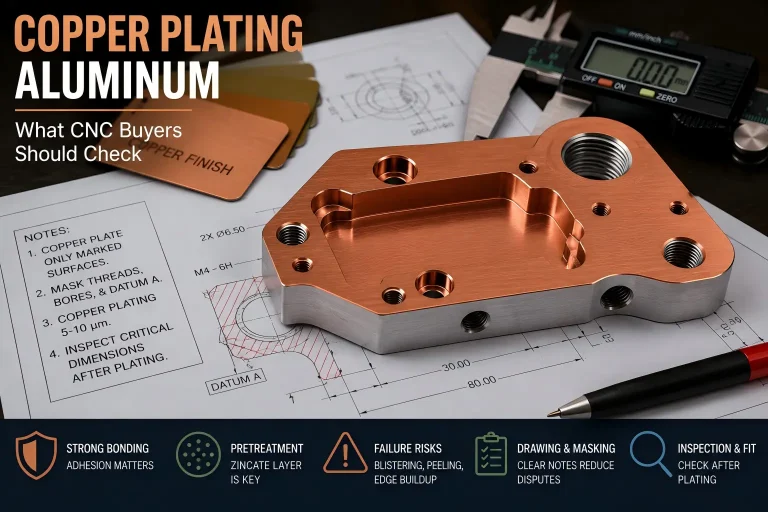
Copper Plating Aluminum: What CNC Buyers Should Check Before Production
Copper plating aluminum sounds like a simple surface finish. A buyer may need a copper-colored surface, an electrical contact area,…
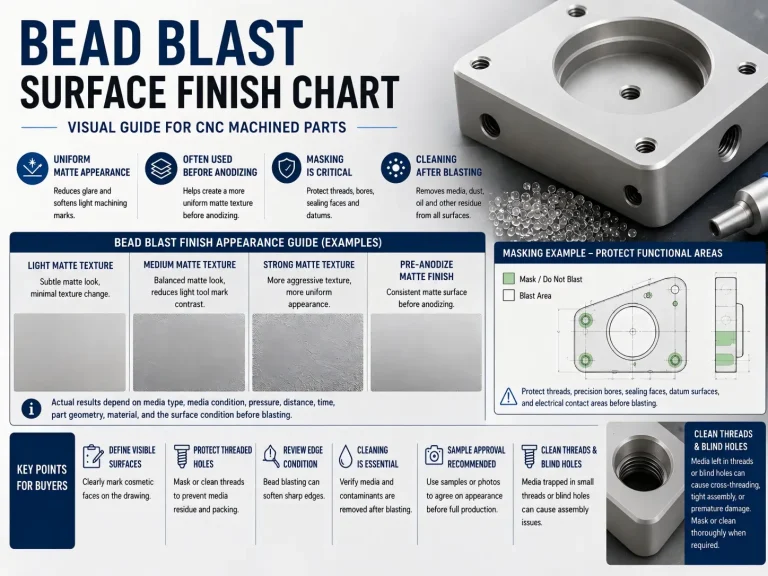
Bead Blast Surface Finish Chart for CNC Machined Parts
Bead blasting is often used when a CNC machined part needs a more uniform matte appearance. It can reduce the…
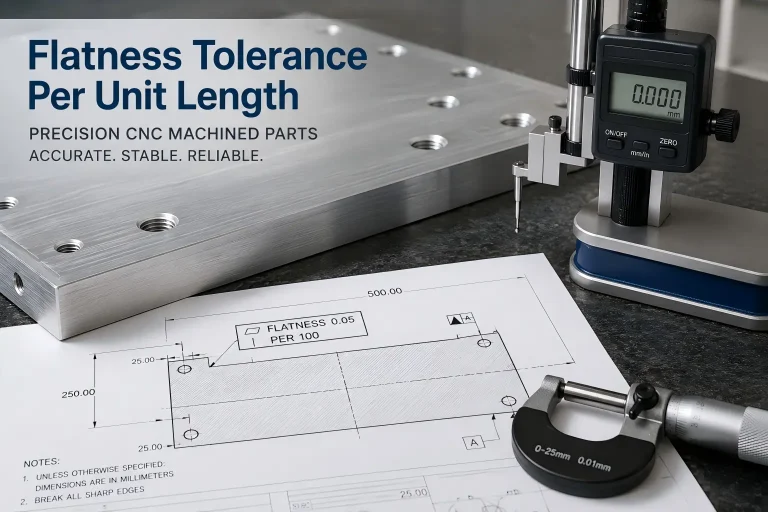
Flatness Tolerance Per Unit Length for CNC Machined Parts
Flatness looks simple on a drawing, but it can become one of the most misunderstood requirements in CNC machining. A…
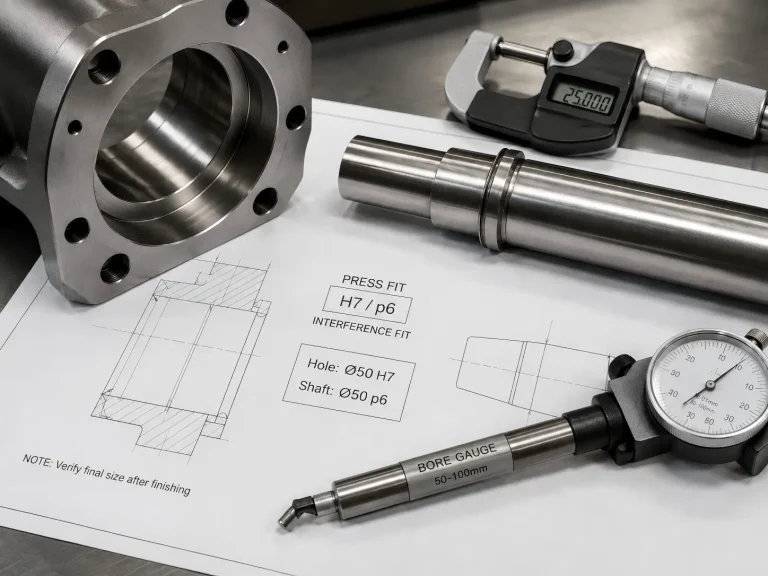
Press Fit Tolerance for CNC Machined Parts: Design and Inspection Notes
A press fit looks simple on a drawing: one shaft goes into one hole, and the two parts stay together…
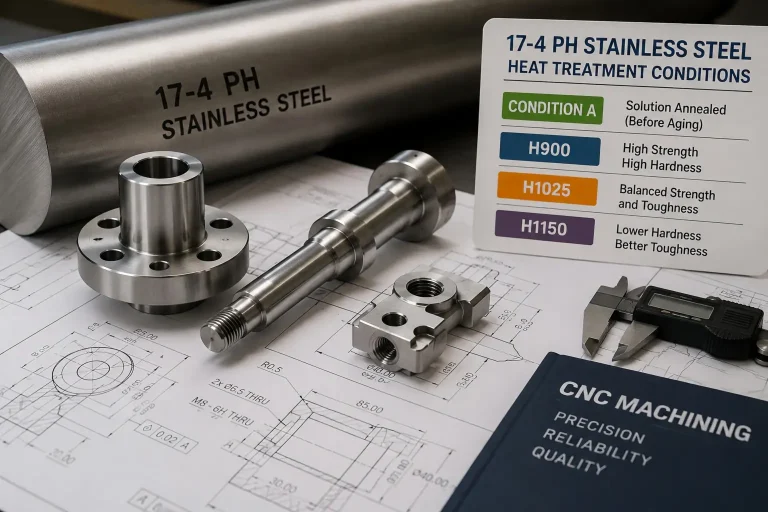
17-4 PH Stainless Steel Machining: Heat Treatment, Tolerances, and Finish
17-4 PH stainless steel is not just another stainless steel grade for CNC machining. It is a precipitation-hardening stainless steel…
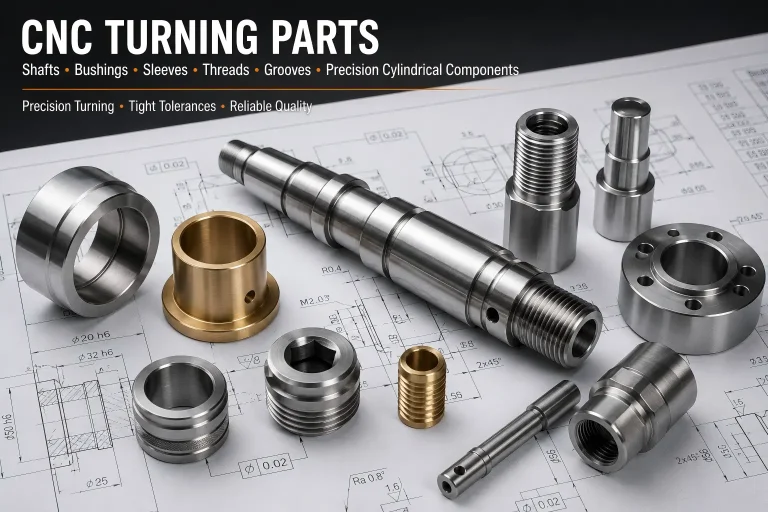
CNC Turning Parts: Design Features, Materials, and Inspection Points
CNC turning parts look simple until the drawing includes a tight bore, a long slender shaft, a thin sleeve wall,…