

Blog List
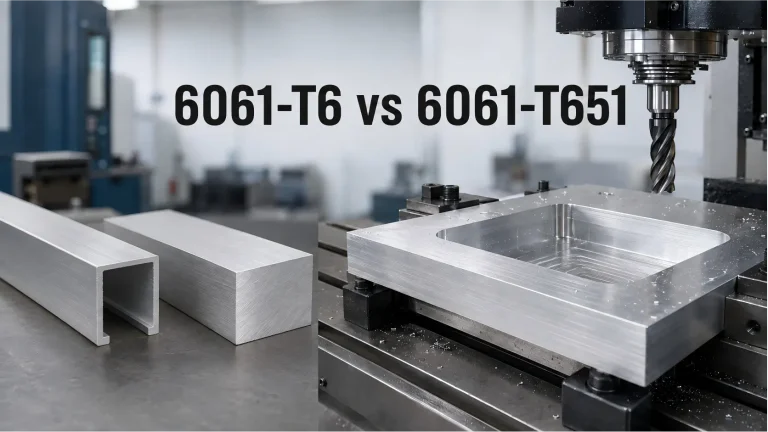
6061-T6 vs 6061-T651: Choose by Stock Form and Machining Risk
6061-T6 vs 6061-T651: Choose by Stock Form and Machining Risk Specifying 6061-T651 does not automatically make a machined part flat.…
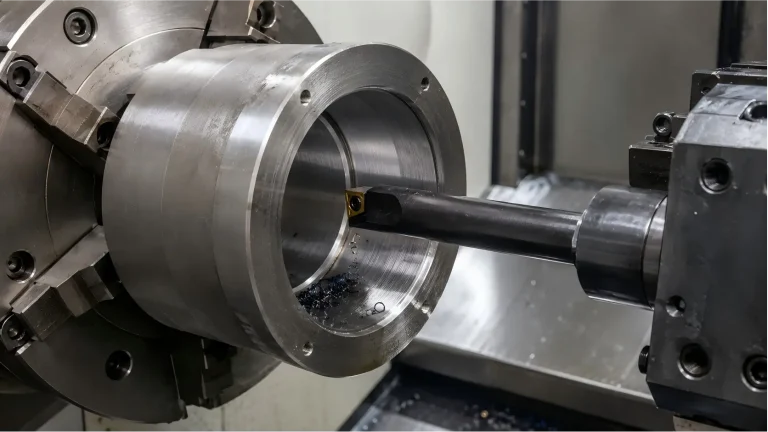
Boring Machining: How to Control Bore Size, Geometry, and Finish
An existing hole can be within size at the entrance and still fail in assembly. It may taper toward the…
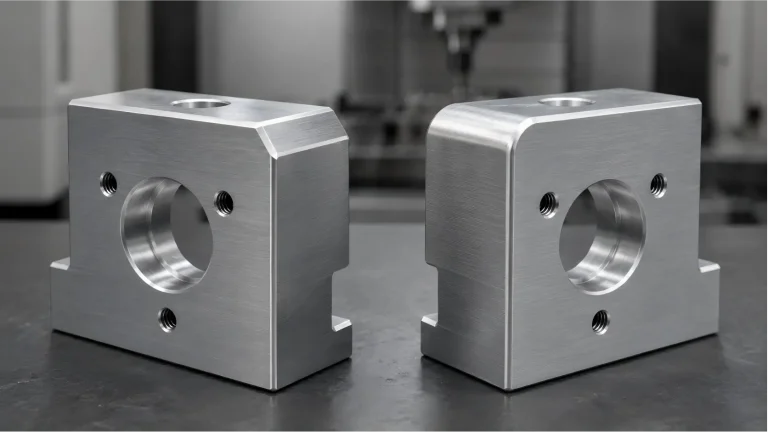
Chamfer vs Fillet: Choosing the Right Edge for CNC Machined Parts
Choosing between a chamfer and a fillet is not mainly a styling decision. On a CNC machined part, edge geometry…
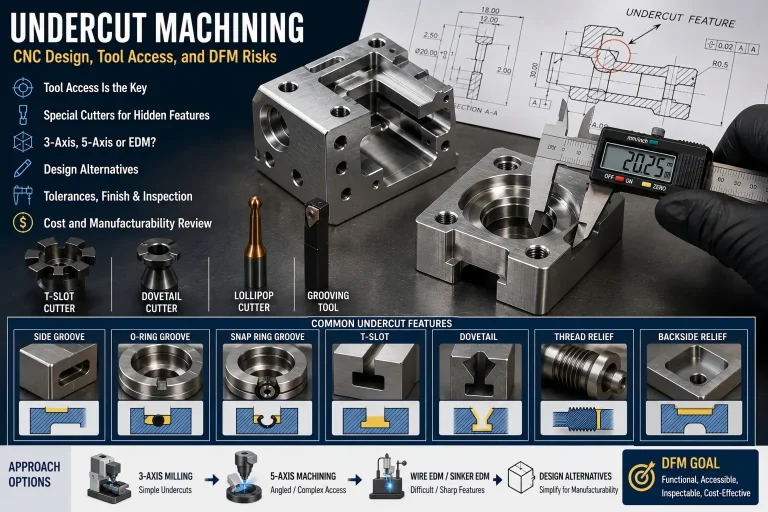
Undercut Machining: CNC Design, Tool Access, and DFM Risks
Undercut machining is not only a tooling problem. It is a tool access problem. A CNC part may look simple…
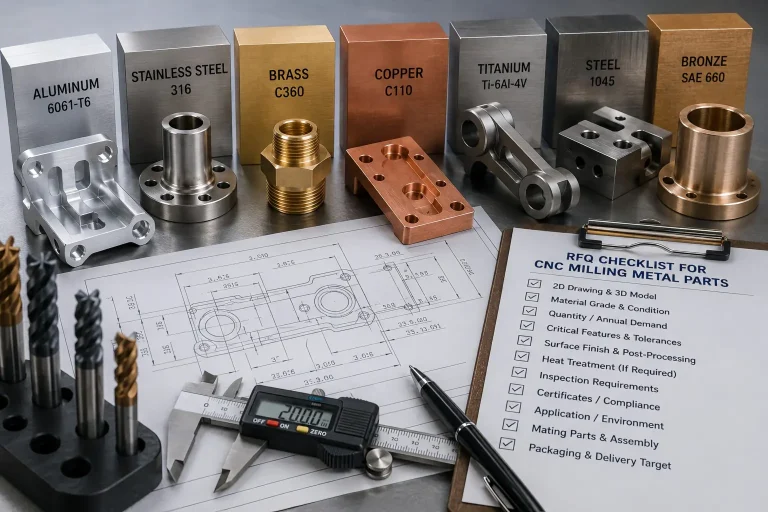
CNC Milling Metals: How to Choose the Right Material for Custom Parts
CNC milling metals is not only a machining decision. It is also a material decision. Two parts may look similar…
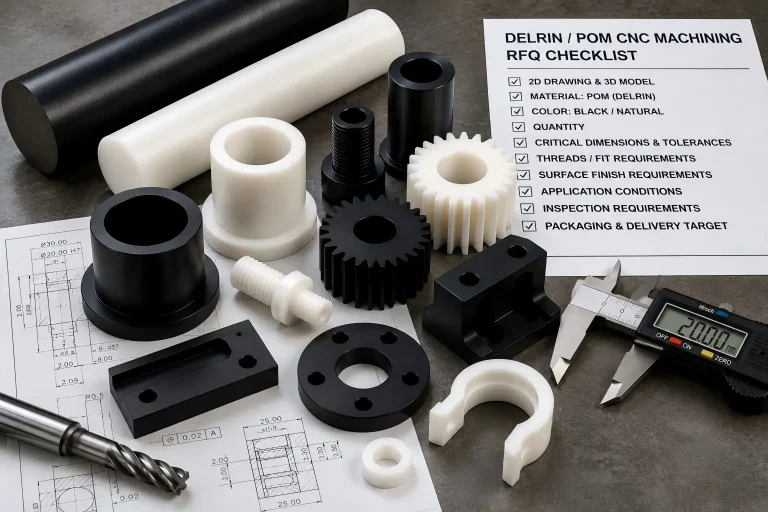
Delrin CNC Machining: Design, Tolerance, and RFQ Risks for POM Parts
Delrin CNC machining is often easier to control than PTFE, nylon, or many soft plastics. But that does not mean…
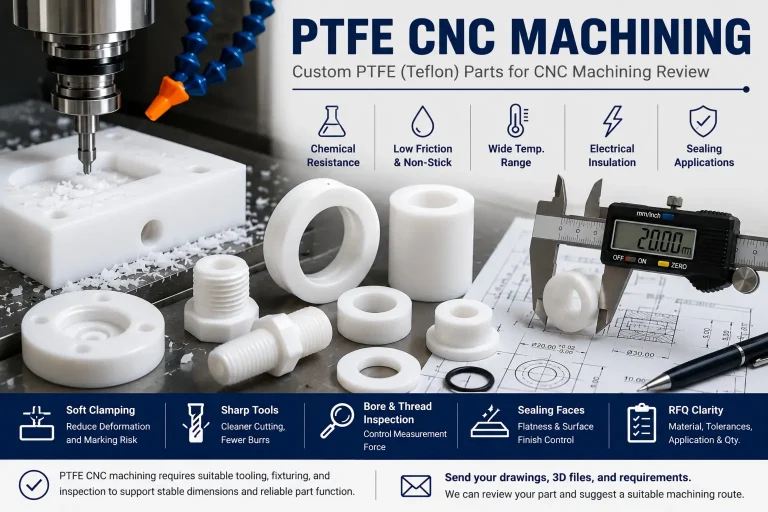
PTFE CNC Machining: Design, Tolerance, and RFQ Risks
PTFE CNC machining is not difficult because the material is hard. It is difficult because PTFE is soft, slippery, flexible,…
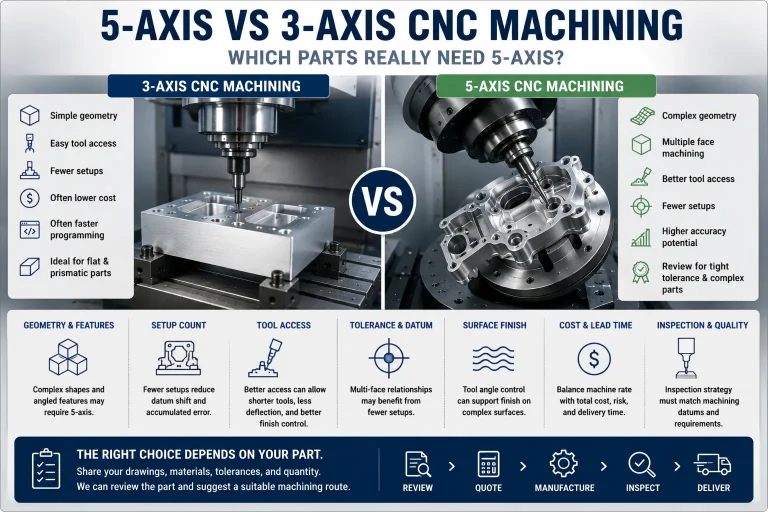
5-Axis vs 3-Axis CNC Machining: Which Parts Really Need 5-Axis?
5-axis CNC machining is not automatically better for every part. 3-axis CNC machining is still the right choice for many…
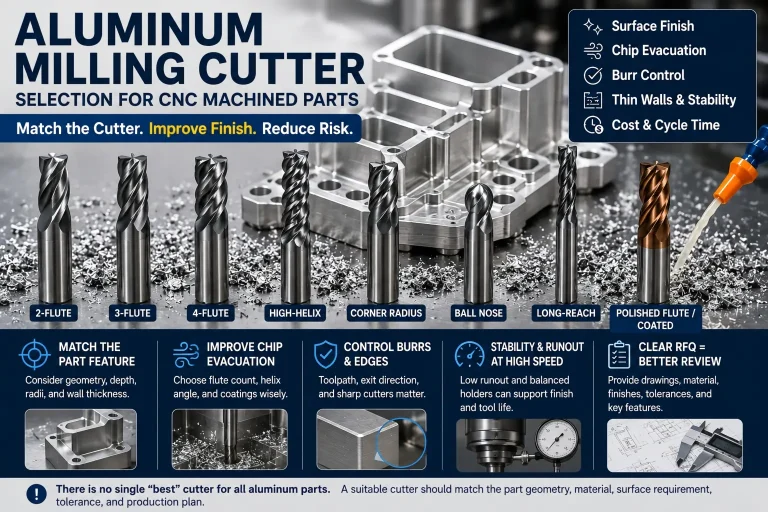
Aluminum Milling Cutter Selection for CNC Machined Parts
Choosing an aluminum milling cutter is not only a toolroom decision. For CNC machined aluminum parts, the cutter can affect…