

Blog List
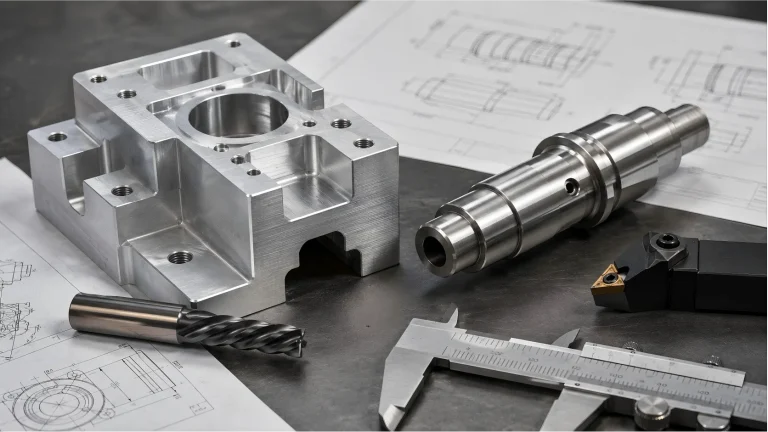
CNC Milling vs CNC Turning: How to Choose the Right Process
Choosing between CNC milling and CNC turning should not start with the machine name. It should start with the part…
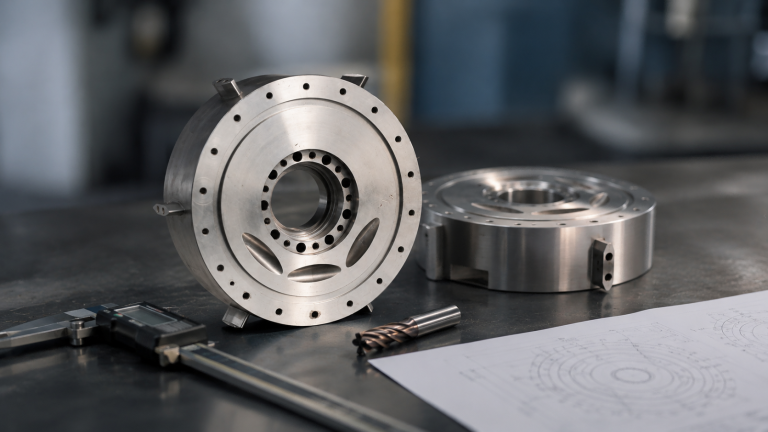
Machining 304 Stainless Steel: Work-Hardening, Tooling, and Inspection Risks
304 stainless steel is not difficult to machine simply because it starts as a hard material. The real problem begins…
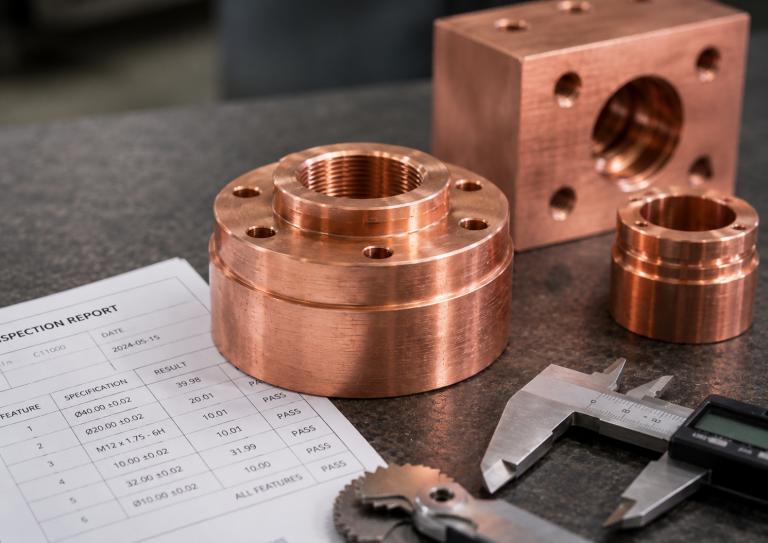
Copper CNC Machining: Material Behavior, Tooling, and Surface Risks
Copper is not difficult to machine because it is hard. It is difficult because it is soft, ductile, sticky, and…
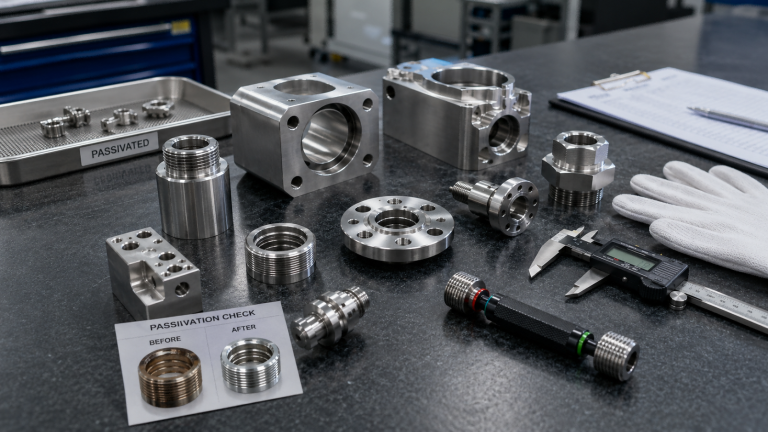
What Is Stainless Steel Passivation and When Do CNC Parts Need It?
Stainless steel passivation is a chemical finishing process used after machining, deburring, and cleaning to remove free iron and surface…
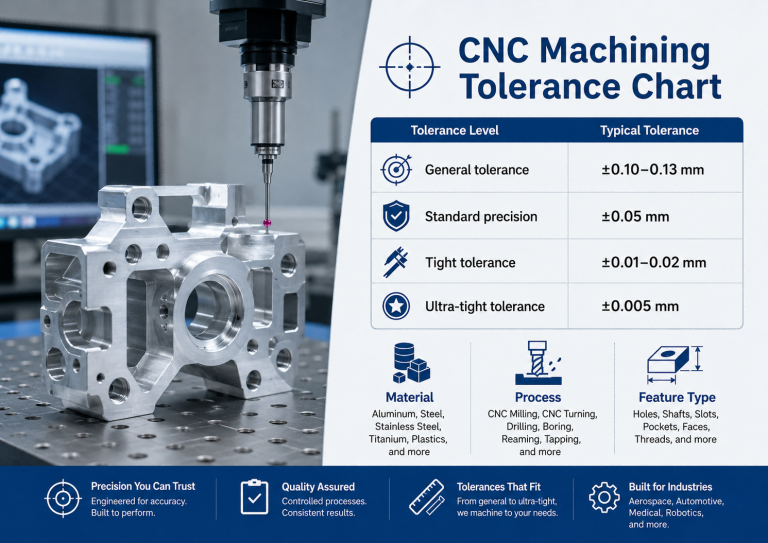
CNC Machining Tolerance Chart: Standards by Material, Process, and Feature Type
Conclusion First CNC machining tolerance depends on material, feature type, part geometry, fixturing, cutting heat, machine condition, tool wear, and…
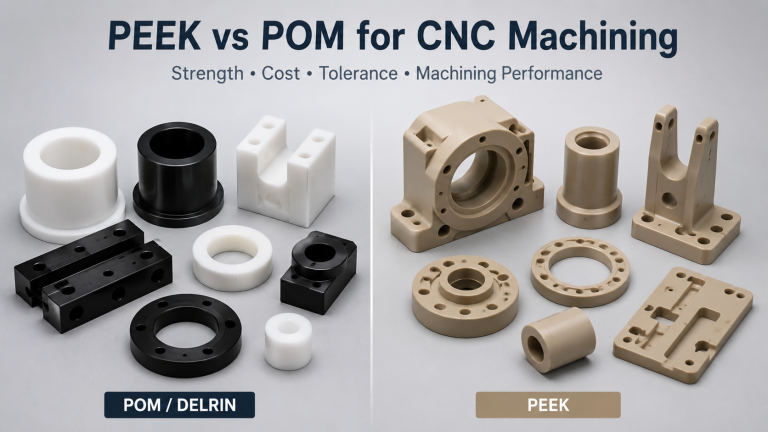
PEEK vs POM for CNC Machining: Which Plastic Should You Choose?
Conclusion First For most precision mechanical applications, POM / Delrin is usually the more cost-effective choice. It machines cleanly, holds…
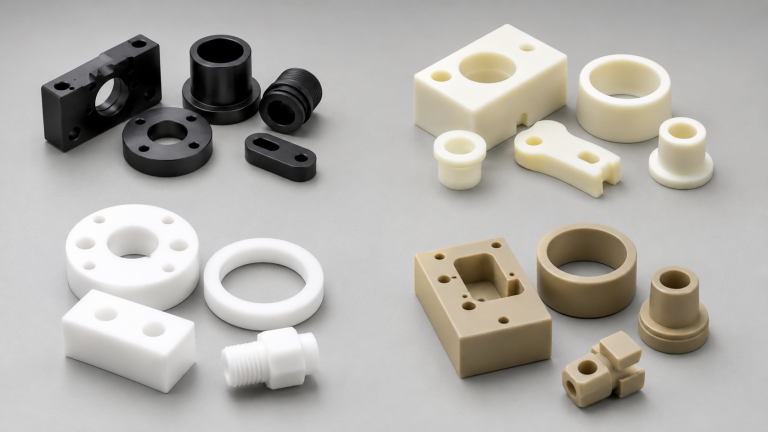
Best Plastics for CNC Machining: PEEK, PTFE, Nylon, POM & More
Quick Answer: Which Plastic Is Best for CNC Machining? POM is often the most practical all-around plastic for CNC-machined mechanical…
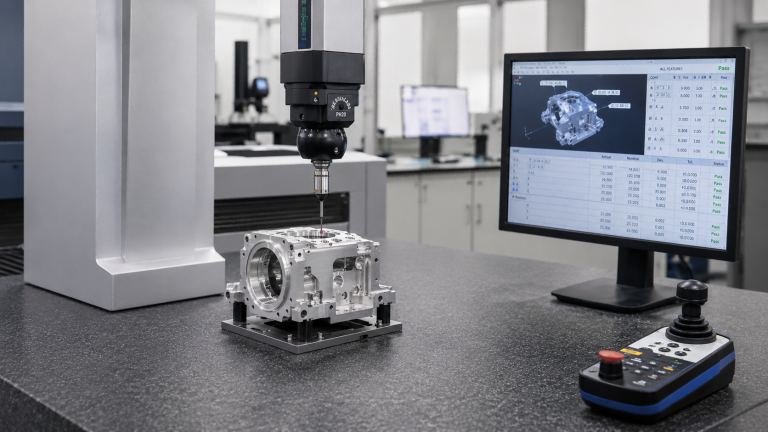
CMM Inspection for CNC Machined Parts: What Buyers Should Check
Quick Answer: What Should Buyers Check in a CMM Report? A useful CMM inspection report should show more than a…
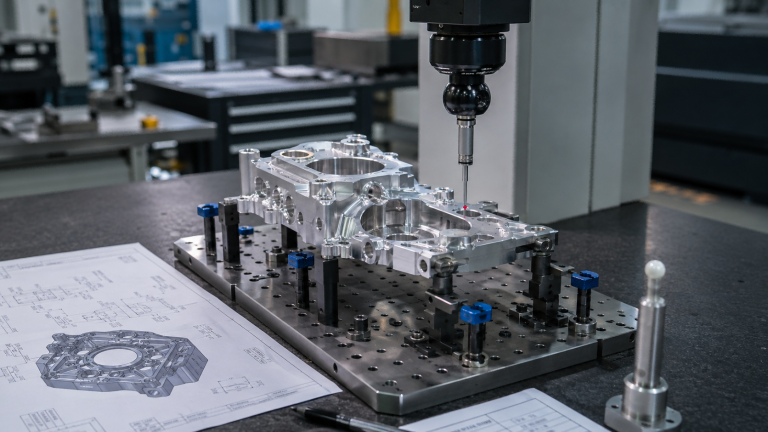
CNC Machining Tolerance Stack-Up: Formula, RSS, and Practical Example
CNC machining tolerance stack-up is the combined effect of dimensional variation across several features, datums, setups, fixtures, and inspection references.…