

Blog List
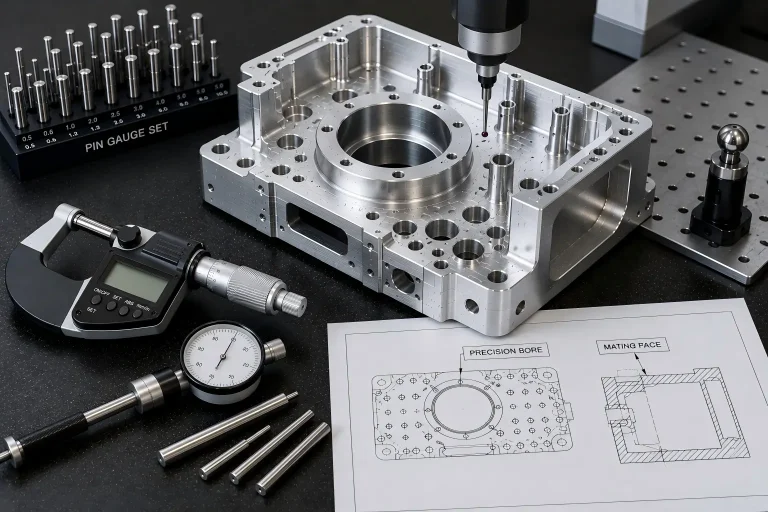
CNC Aluminum Tolerance Guide: Practical Limits by Feature
CNC aluminum tolerance should be selected by feature and function, not by applying one tight number to the entire drawing.…
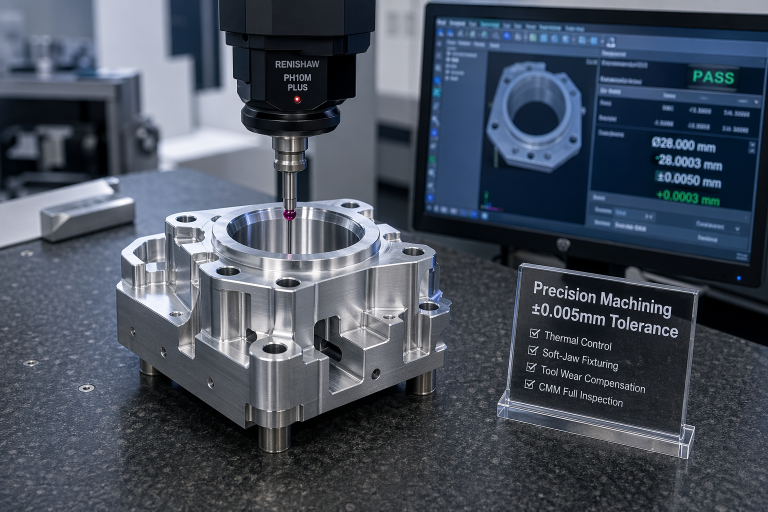
How to Achieve ±0.005mm in Aluminum Parts: CNC Precision Supplier Guide
Conclusion First Yes, ±0.005mm tolerance in aluminum parts is achievable—but only through a controlled engineering process. Many suppliers can hit…
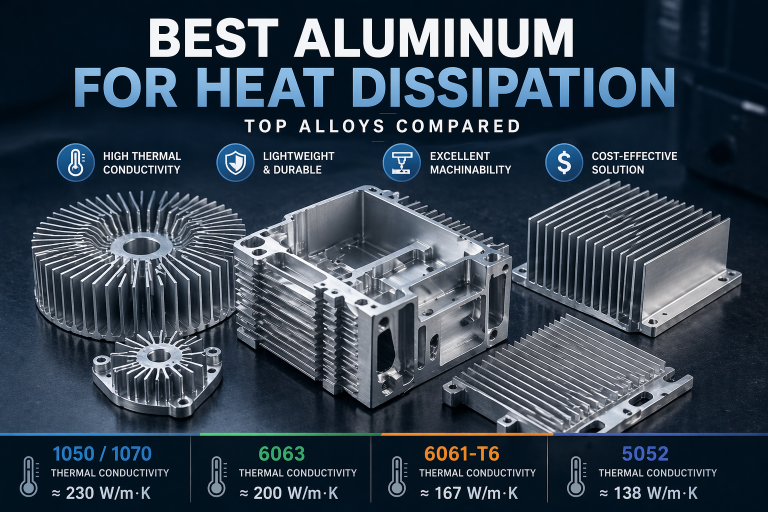
Best Aluminum for Heat Dissipation: Top Alloys Compared
Conclusion First If you need the best balance of thermal conductivity, machinability, strength, and cost, 6061 aluminum is the most…
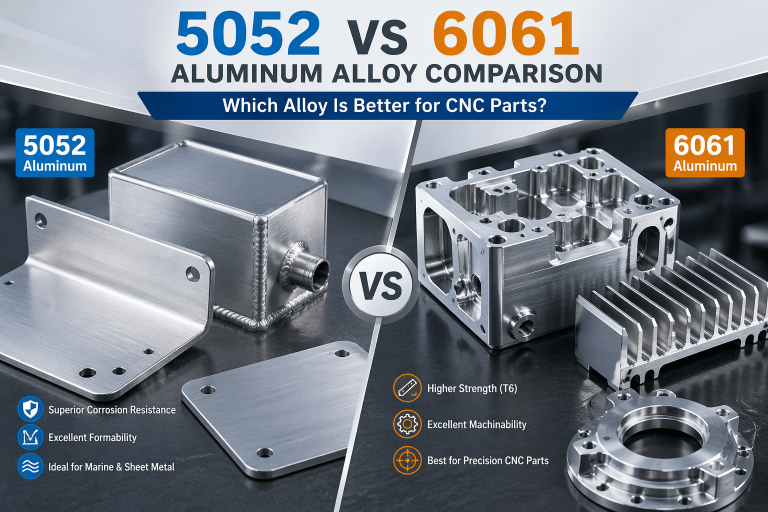
5052 vs 6061 Aluminum: Which Alloy Is Better for CNC Parts?
Quick Answer: 5052 vs 6061 Aluminum Choose 6061-T6 or 6061-T651 when the part requires extensive CNC milling, drilled or tapped…
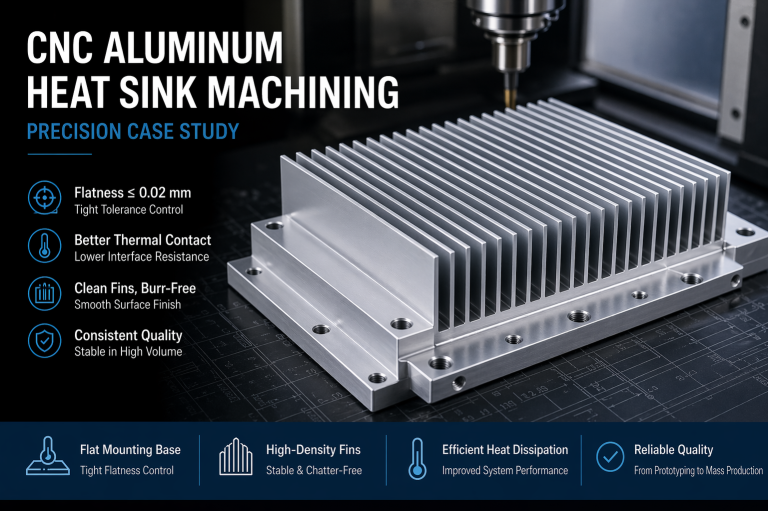
CNC Aluminum Heat Sink Machining: Precision Case Study
Conclusion First A customer in the power electronics industry needed CNC machined aluminum heat sinks with: The real challenge was…
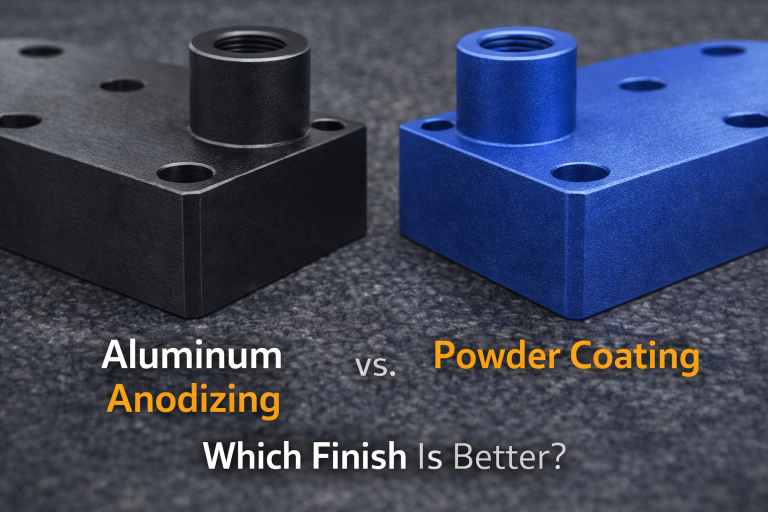
Aluminum Anodizing vs Powder Coating: Which Finish Is Better?
Quick Answer: Anodizing or Powder Coating? Choose anodizing when the part requires a metallic aluminum appearance, controlled coating buildup, wear-resistant…
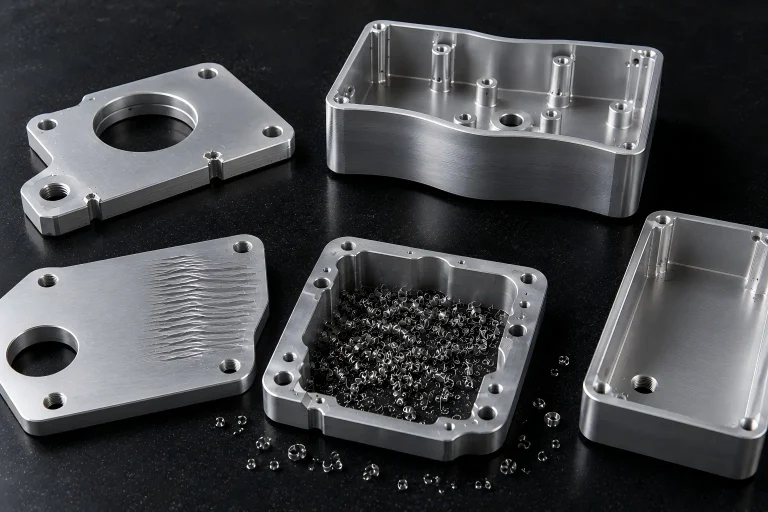
Top 7 Aluminum Machining Problems and How to Fix Them
Aluminum is generally easier to cut than many steels, but that does not mean every aluminum part is easy to…
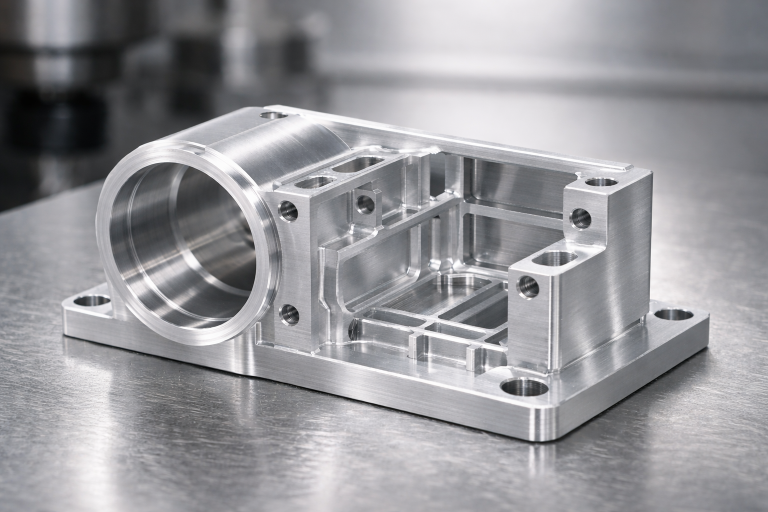
Thin Wall Aluminum CNC Machining Guide
Conclusion First Thin wall aluminum CNC machining is the process of manufacturing lightweight parts with reduced wall thickness while maintaining…
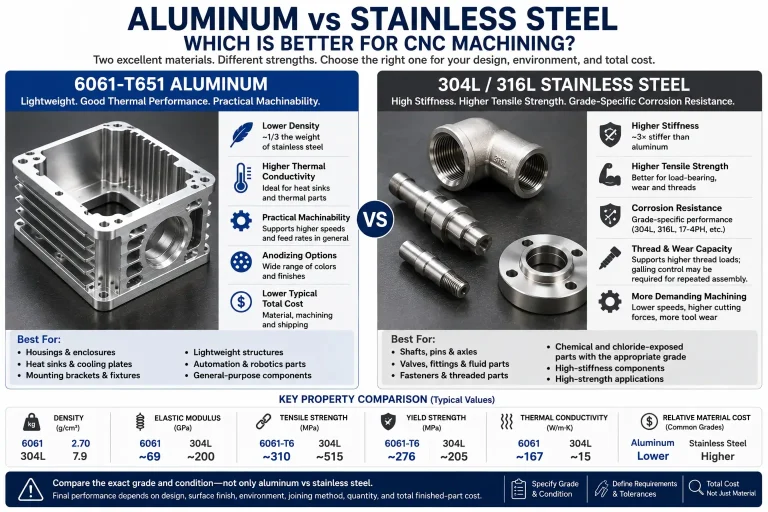
Aluminum vs Stainless Steel: Which Is Better for CNC Machining?
Quick Answer: Aluminum or Stainless Steel for CNC Machining? Choose aluminum—often 6061-T6 or 6061-T651—when the part requires low weight, high…