

Blog List
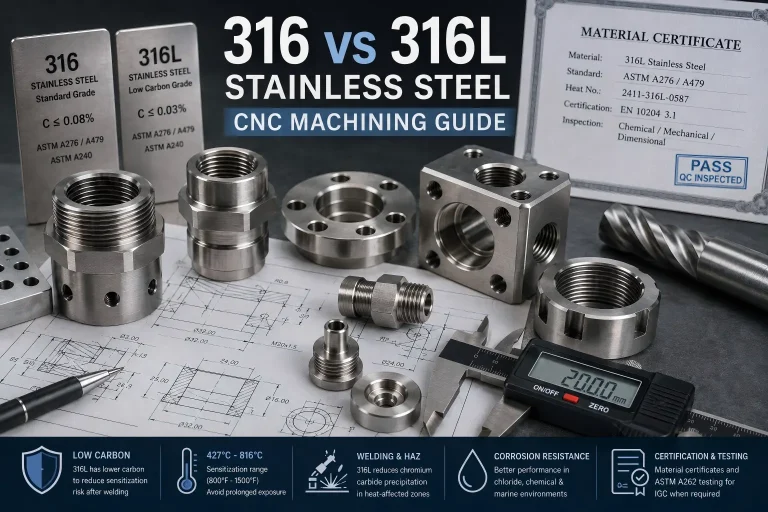
316 vs 316L Stainless Steel: CNC Machining, Passivation, and Selection Risks
316 and 316L stainless steel look almost the same to most buyers. They also machine in similar ways. That is…
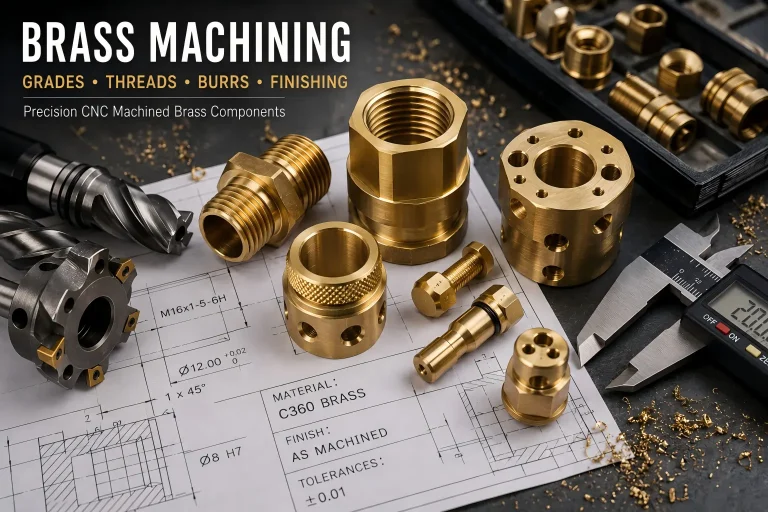
Brass Machining: Grades, Threads, Burrs, and Finishing Risks
Brass is often described as an easy material to machine. That is only partly true. Some brass grades cut cleanly,…
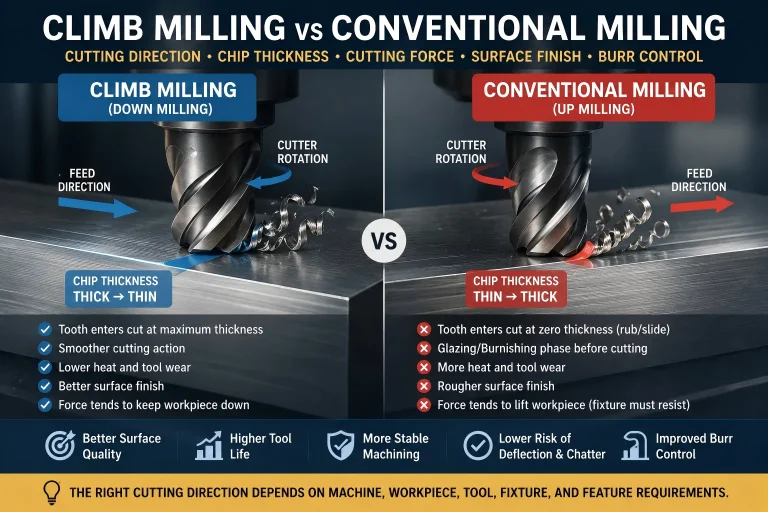
Climb Milling vs Conventional Milling: Cutting Direction, Burrs, and Surface Finish
Climb milling and conventional milling are not just two textbook milling terms. They change how the cutter enters the material,…
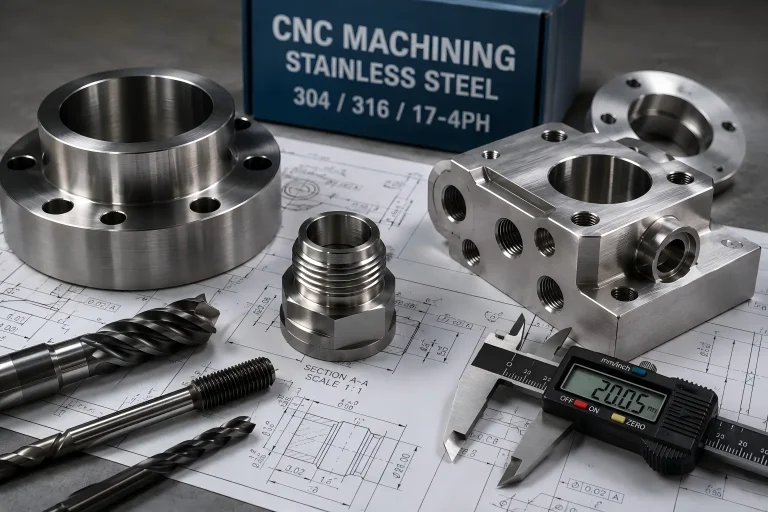
Stainless Steel CNC Machining: 304, 316, and 17-4PH Production Risks
Stainless steel is not one machining material. A 304 stainless steel housing, a 316 medical fitting, and a 17-4PH high-strength…
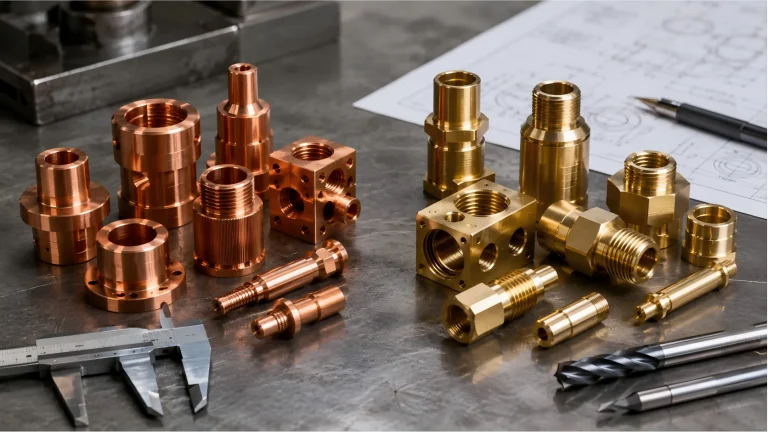
Brass vs Copper: Differences for CNC Machined Components
Choosing brass when the part needs copper conductivity can cause performance problems. Choosing pure copper when the part only needs…
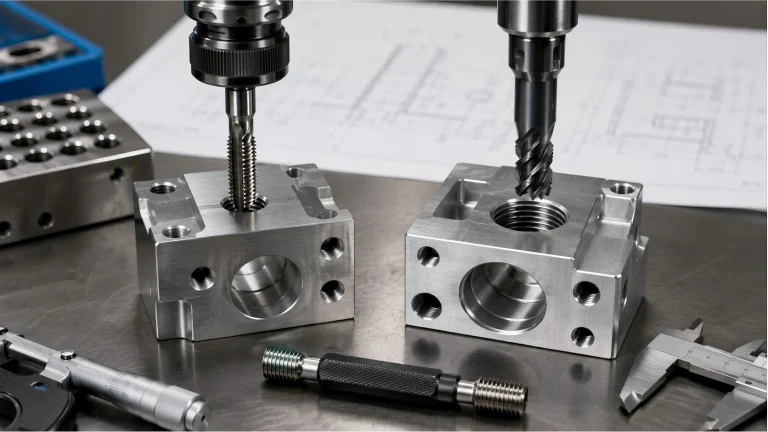
Thread Milling vs Tapping: How to Avoid Threading Failures in CNC Parts
A threaded hole can be the last operation on a CNC machined part. That is exactly why it can be…
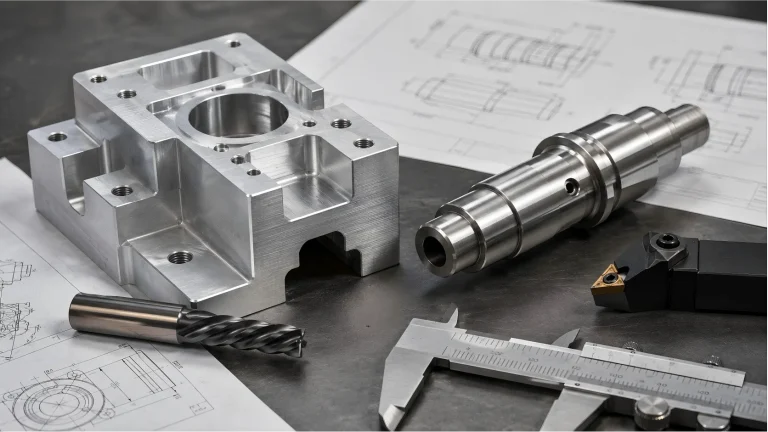
CNC Milling vs CNC Turning: How to Choose the Right Process
Choosing between CNC milling and CNC turning should not start with the machine name. It should start with the part…
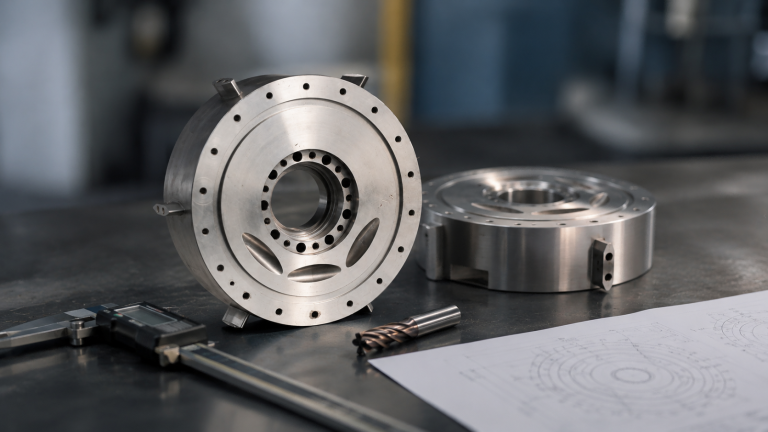
Machining 304 Stainless Steel: Work-Hardening, Tooling, and Inspection Risks
304 stainless steel is not difficult to machine simply because it starts as a hard material. The real problem begins…
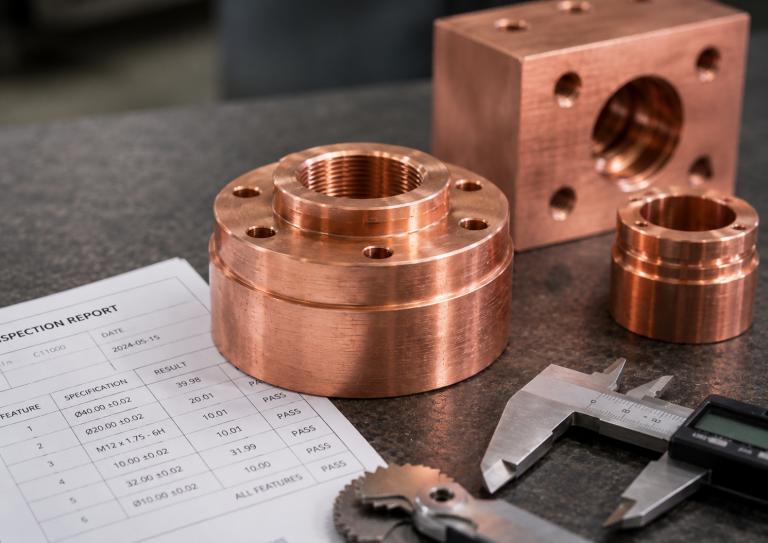
Copper CNC Machining: Material Behavior, Tooling, and Surface Risks
Copper is not difficult to machine because it is hard. It is difficult because it is soft, ductile, sticky, and…