

Blog List
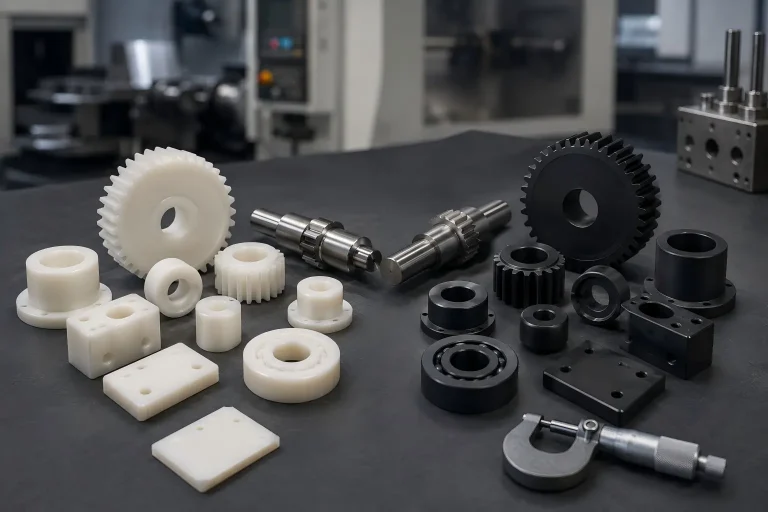
Delrin vs Nylon: Choose by Fit, Moisture, and Wear
Two plastic bushings can leave final inspection at the intended size and behave differently after storage, humidity exposure, assembly, and…
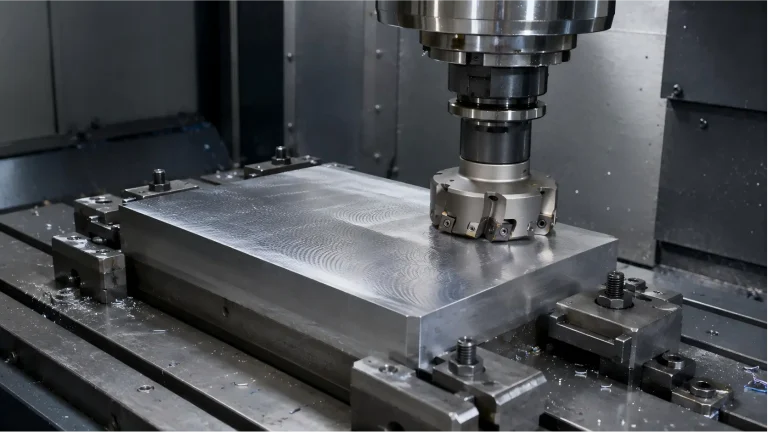
Face Milling: Diagnose Flatness and Surface-Finish Problems
A freshly face-milled surface can look bright and uniform but still fail its functional requirement. The face may bow after…
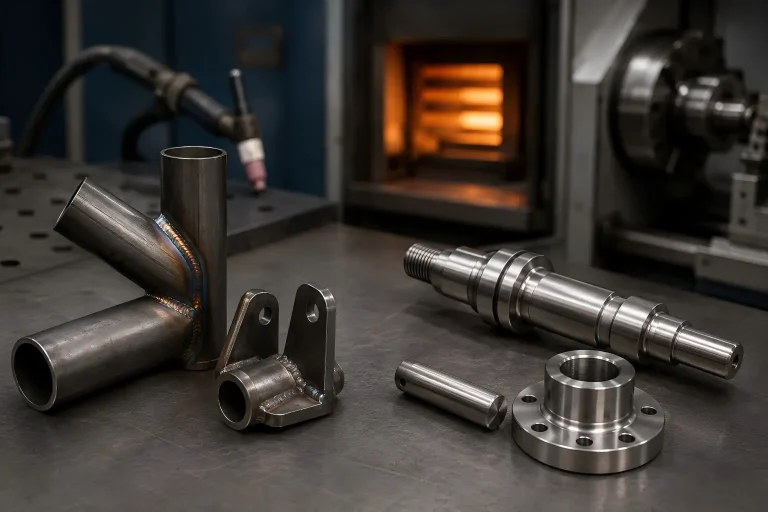
4130 vs 4140 Steel: Choose by Manufacturing Route
The practical difference between 4130 and 4140 steel is not simply that one grade is weaker and the other is…
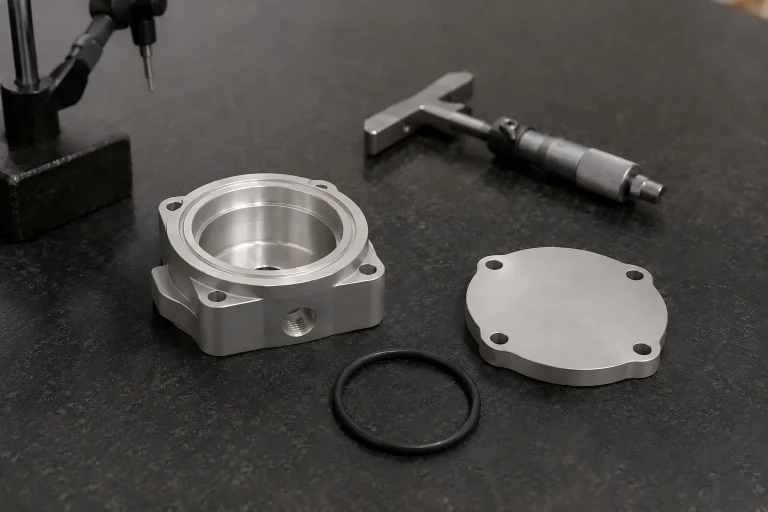
O-Ring Groove Design: From Seal Requirements to Machining
An O-ring groove can match a published nominal dimension and still create an assembly or leakage problem. The cause may…
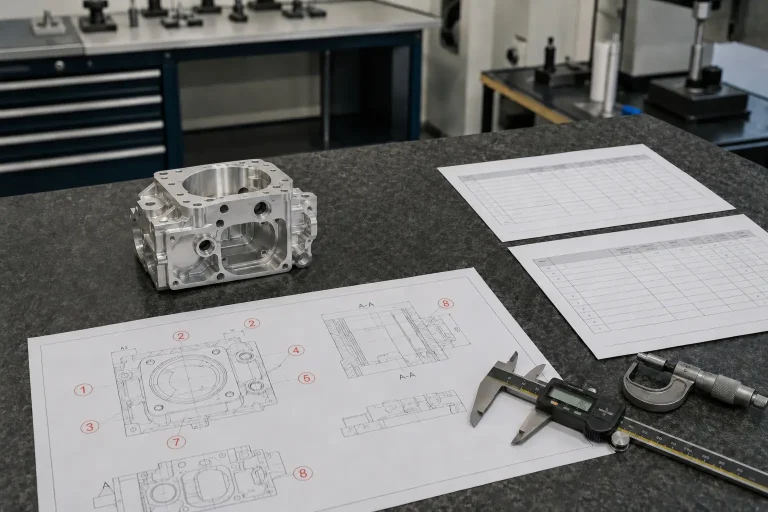
First Article Inspection: Define the Evidence Before Production
A purchase order says “FAI required.” The supplier checks several dimensions on the first machined part and sends a one-page…
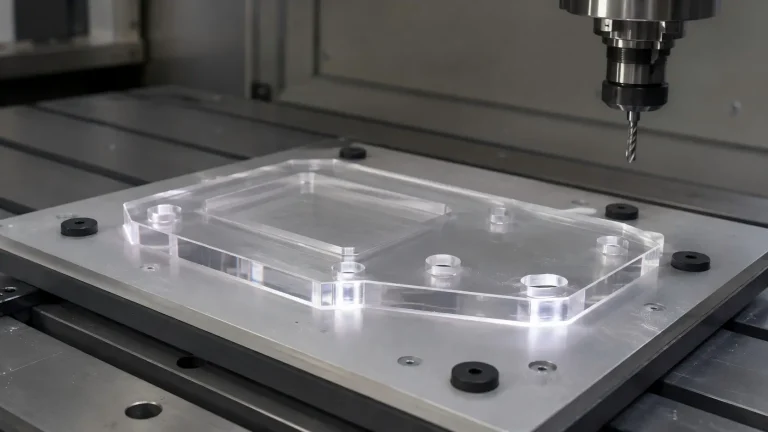
Acrylic CNC Machining: Control Heat, Cracks, and Edge Clarity
An acrylic part can pass dimensional inspection and still be rejected. A milled cover may fit the assembly but show…
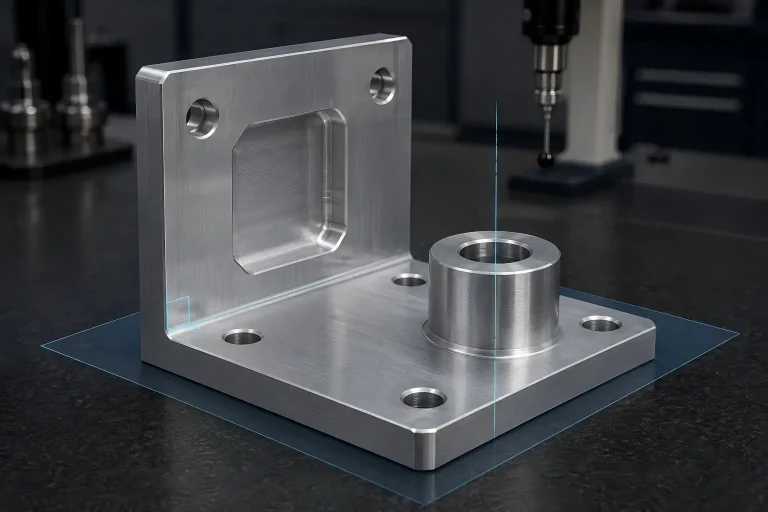
Perpendicularity GD&T: Read Surface and Axis Callouts Correctly
A milled wall can look square to its base and still fail a perpendicularity callout. A bore may have the…
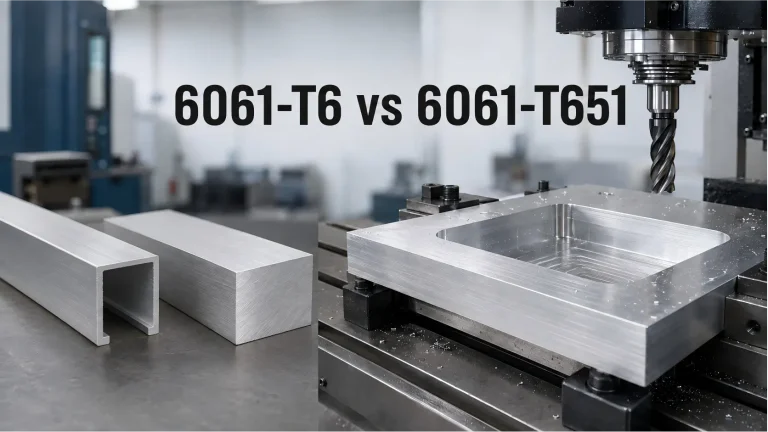
6061-T6 vs 6061-T651: Choose by Stock Form and Machining Risk
6061-T6 vs 6061-T651: Choose by Stock Form and Machining Risk Specifying 6061-T651 does not automatically make a machined part flat.…
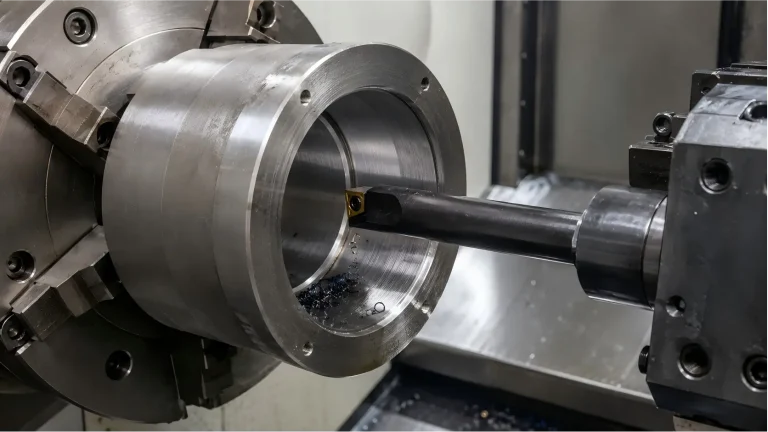
Boring Machining: How to Control Bore Size, Geometry, and Finish
An existing hole can be within size at the entrance and still fail in assembly. It may taper toward the…