

Blog List
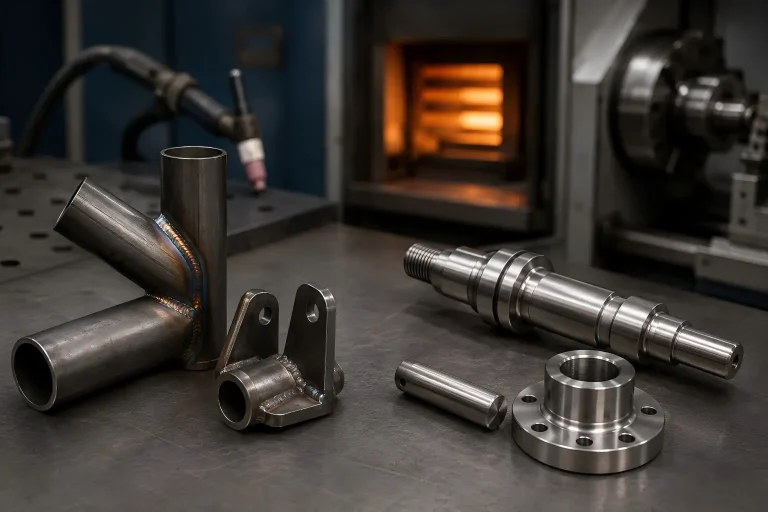
4130 vs 4140 Steel: Choose by Manufacturing Route
The practical difference between 4130 and 4140 steel is not simply that one grade is weaker and the other is…
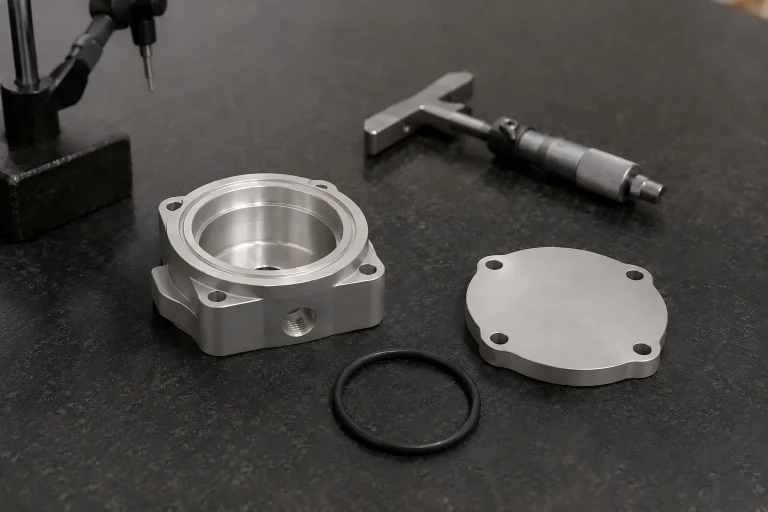
O-Ring Groove Design: From Seal Requirements to Machining
An O-ring groove can match a published nominal dimension and still create an assembly or leakage problem. The cause may…
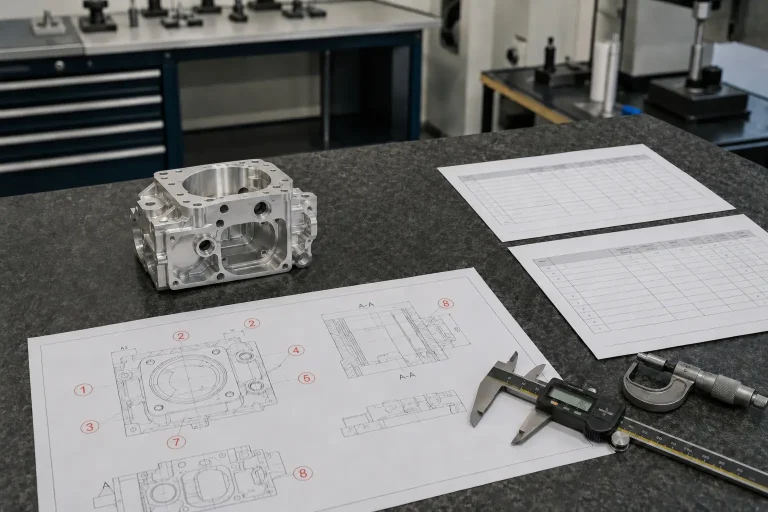
First Article Inspection: Define the Evidence Before Production
A purchase order says “FAI required.” The supplier checks several dimensions on the first machined part and sends a one-page…
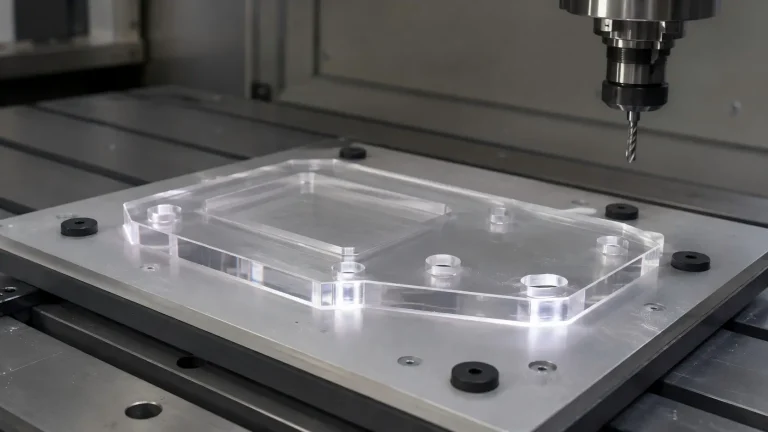
Acrylic CNC Machining: Control Heat, Cracks, and Edge Clarity
An acrylic part can pass dimensional inspection and still be rejected. A milled cover may fit the assembly but show…
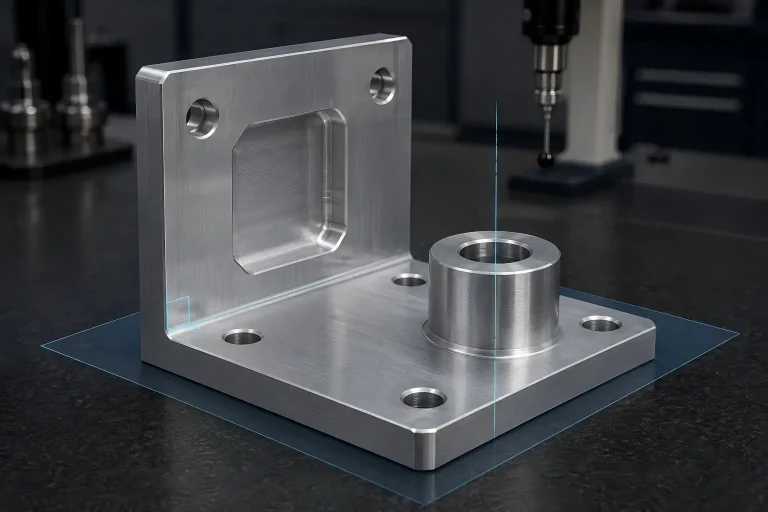
Perpendicularity GD&T: Read Surface and Axis Callouts Correctly
A milled wall can look square to its base and still fail a perpendicularity callout. A bore may have the…
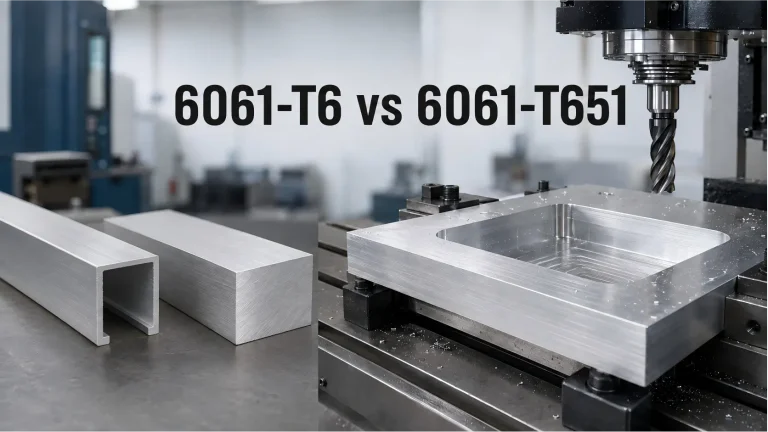
6061-T6 vs 6061-T651: Choose by Stock Form and Machining Risk
6061-T6 vs 6061-T651: Choose by Stock Form and Machining Risk Specifying 6061-T651 does not automatically make a machined part flat.…
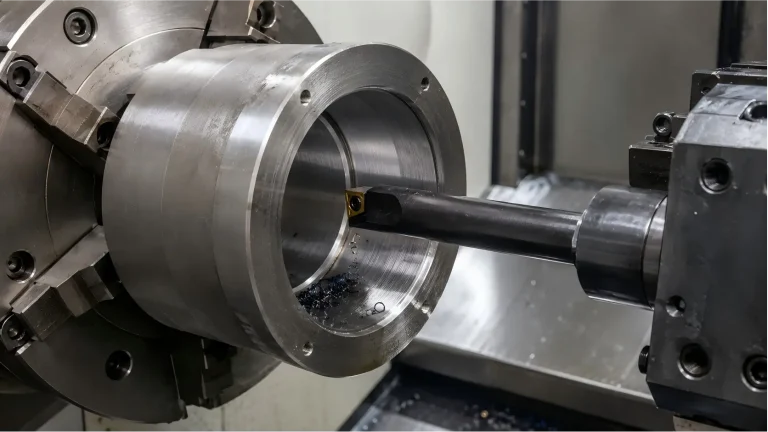
Boring Machining: How to Control Bore Size, Geometry, and Finish
An existing hole can be within size at the entrance and still fail in assembly. It may taper toward the…
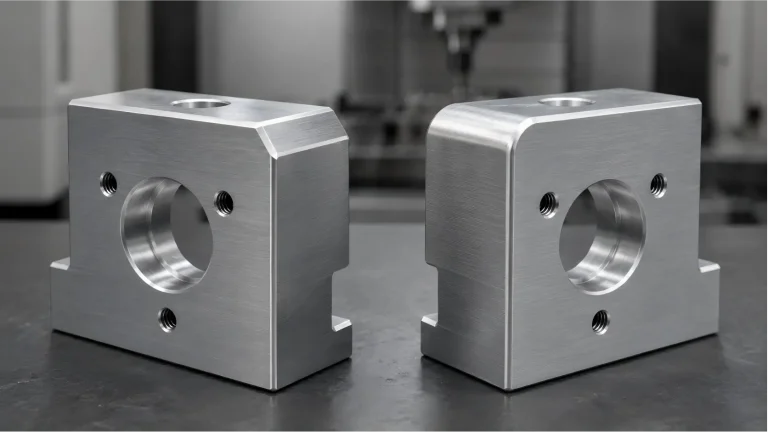
Chamfer vs Fillet: Choosing the Right Edge for CNC Machined Parts
Choosing between a chamfer and a fillet is not mainly a styling decision. On a CNC machined part, edge geometry…
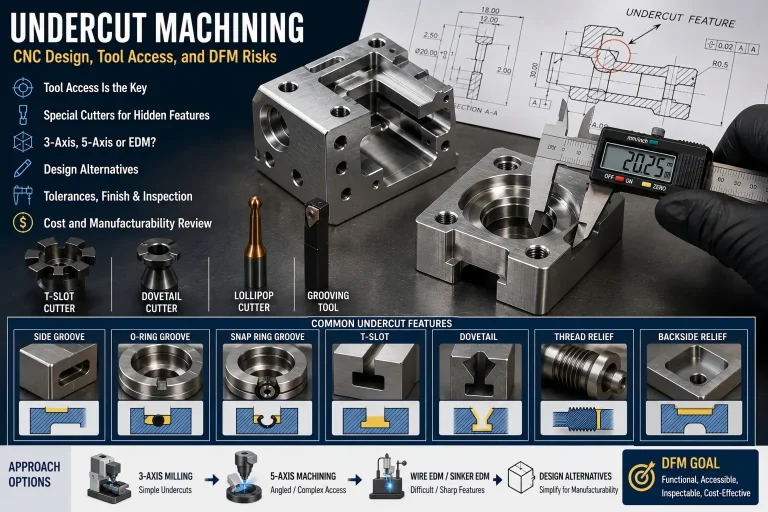
Undercut Machining: CNC Design, Tool Access, and DFM Risks
Undercut machining is not only a tooling problem. It is a tool access problem. A CNC part may look simple…