

Blog List
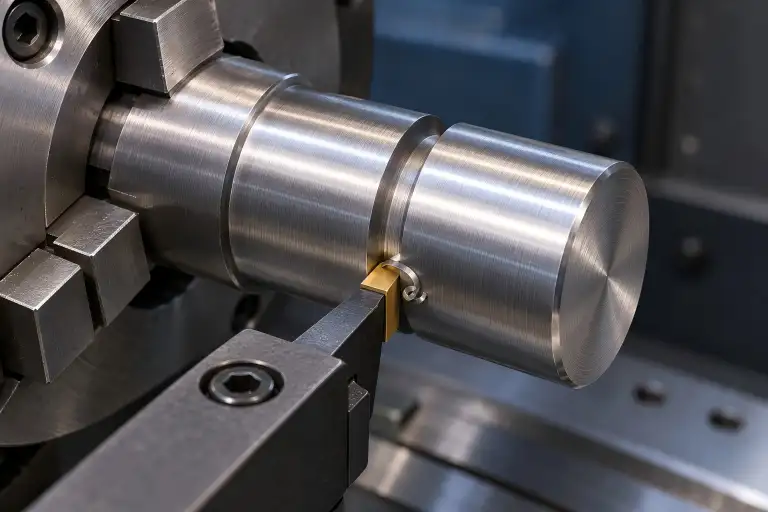
Grooving in Turning: How the Groove Controls the Cut
A 4 mm-wide groove does not necessarily need a 4 mm-wide insert. It may be formed with one full-width cut…
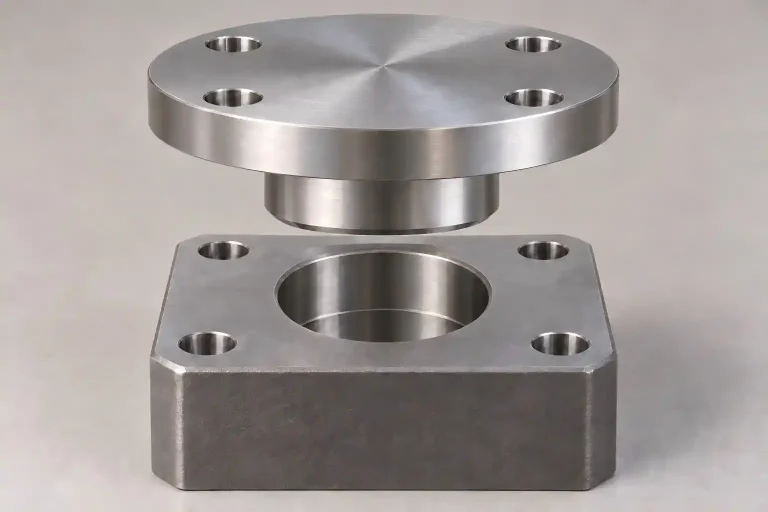
A Transition Fit Can Produce Two Assembly Outcomes
With a transition fit, a replacement shaft can meet its diameter limits and still assemble differently from the shaft it…
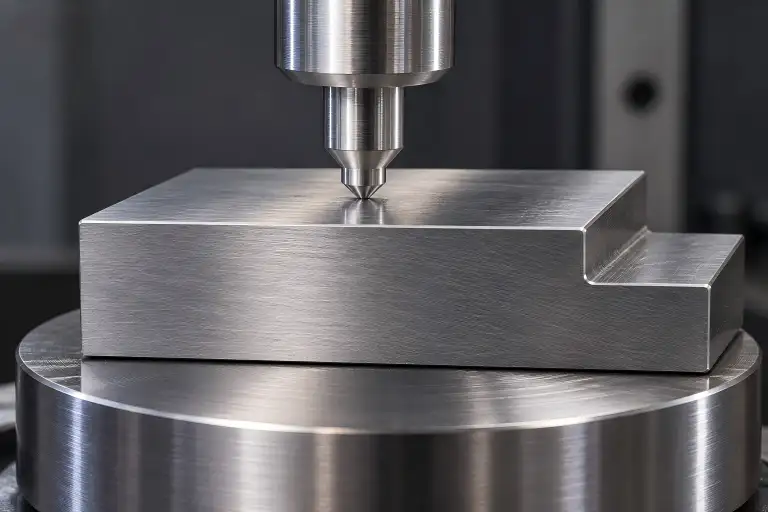
Hardness Testing: Plan the Indent Before Machining
Rockwell, Brinell and Vickers hardness tests leave an indentation. On a finished machined part, that mark may be unacceptable on…
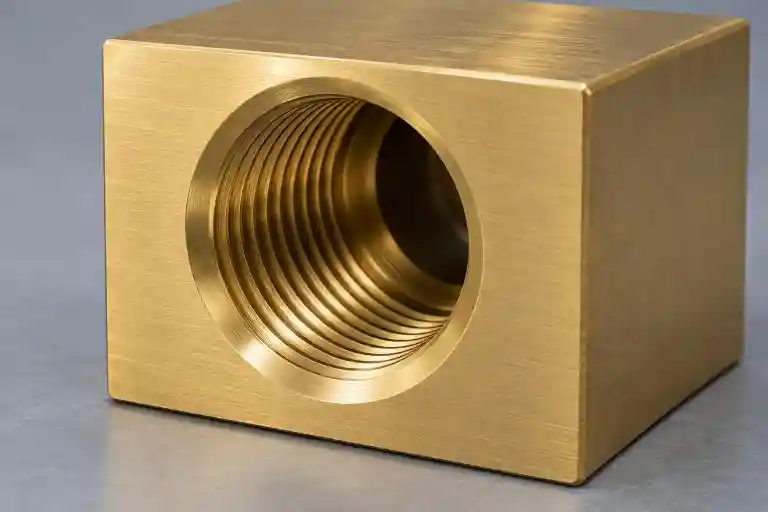
NPT Thread Specs for Machined Ports
A 1/4-18 NPT port is not a 1/4-inch-diameter hole. The callout identifies a nominal pipe size, 18 threads per inch…
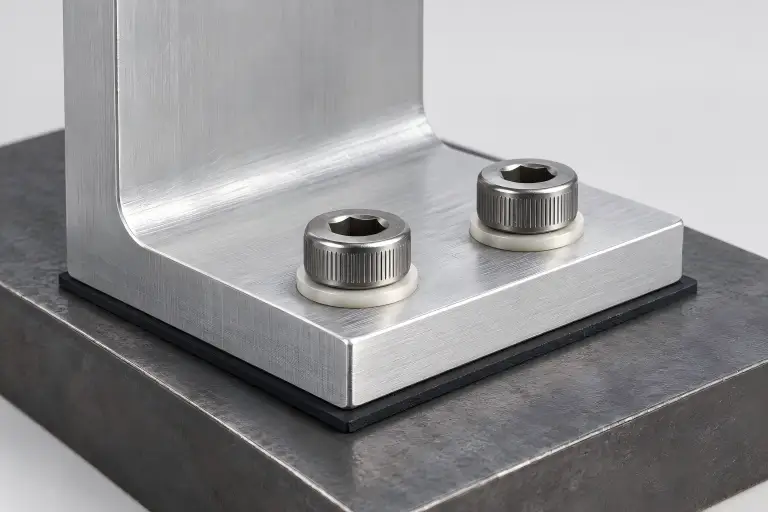
Steel–Aluminum Galvanic Corrosion in Bolted Assemblies
An insulating washer under a bolt head can leave a steel–aluminum joint electrically connected. The bolt shank may touch the…
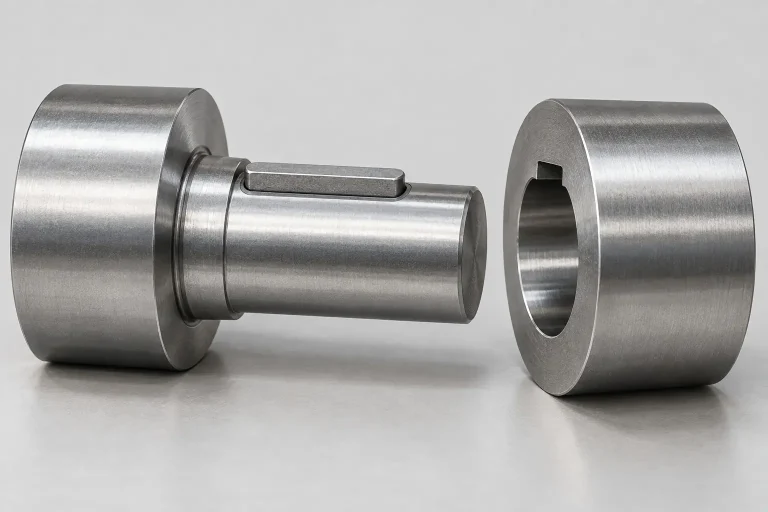
Keyway Machining: Fit the Key, Shaft and Hub
Keyway machining should be specified around the fit of the shaft, key and hub. Slot width matters, but so do…
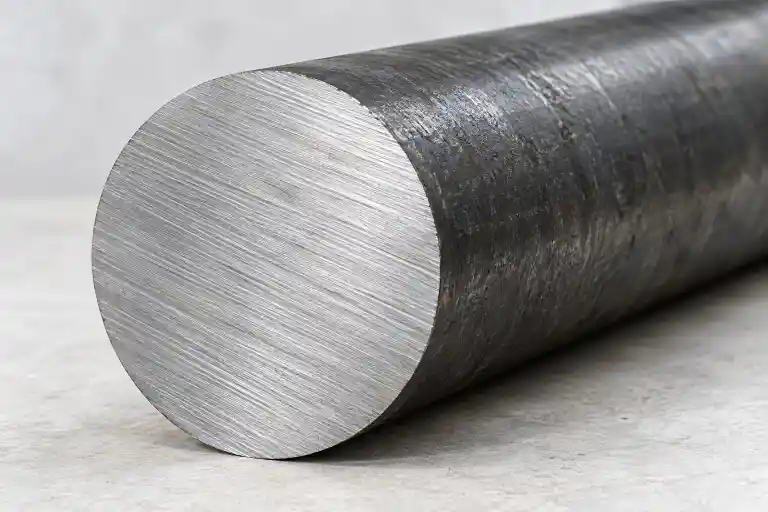
Alloy Steel vs Carbon Steel: Performance Below the Surface
Low-alloy steel can be worth its added cost when a carbon-steel route cannot deliver the required properties within the section…
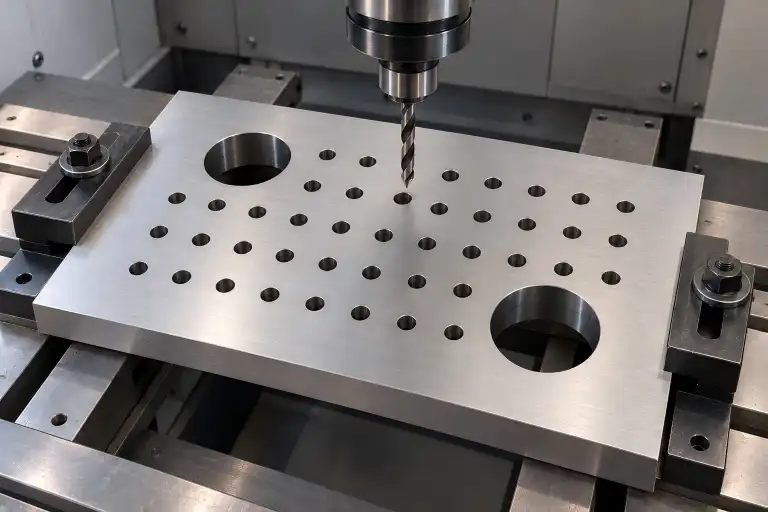
Drilling vs Milling for CNC Hole Patterns
A CNC order can contain hundreds of repeated holes and only a few different diameters. Another order can contain fewer…
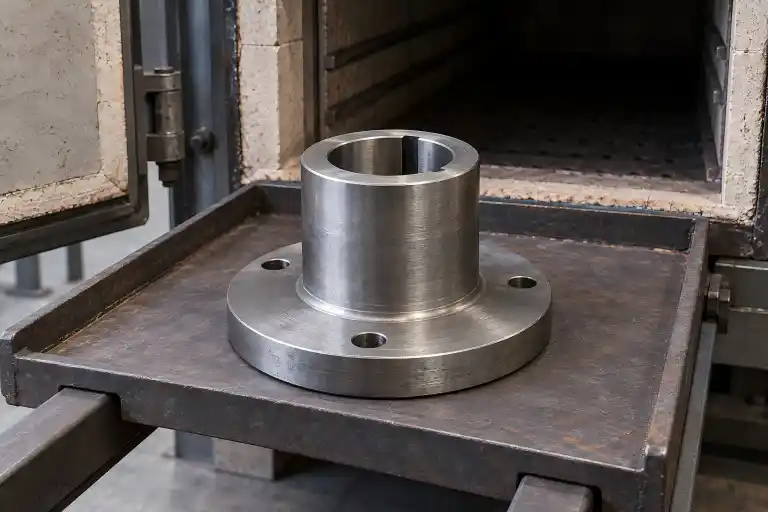
Normalizing vs Annealing: Can the Steel Condition Change?
Suppose a coupling-hub drawing calls for “1045 steel, normalized,” while a supplier offers “1045 steel, annealed.” Matching the grade has…