

Blog List
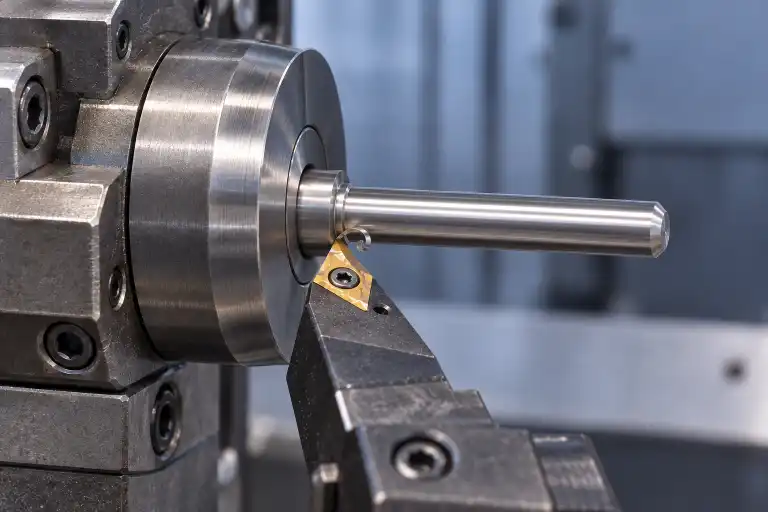
Swiss Lathe vs CNC Lathe for a Stepped Pin
A long, thin section of a workpiece can deflect under cutting force. Swiss-type turning addresses that problem by supporting the…
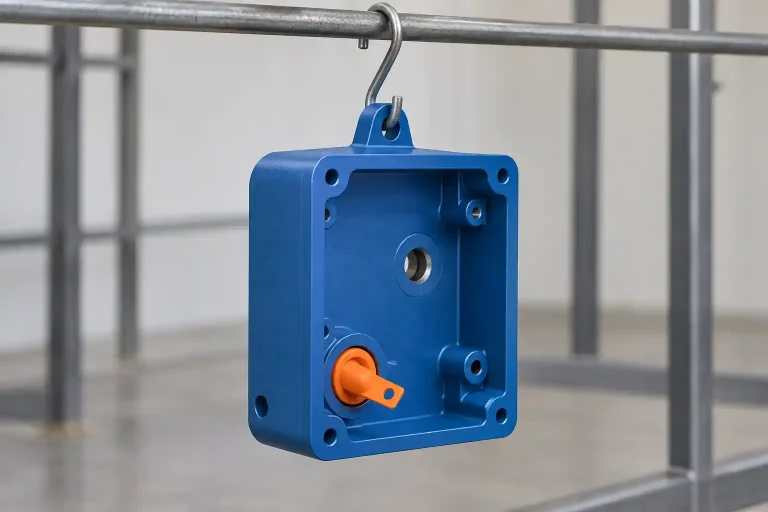
Powder Coat vs Paint: Plan the Cure and Assembly
Powder coating can suit a machined metal part that can be prepared, coated, and cured before heat-sensitive components are installed.…
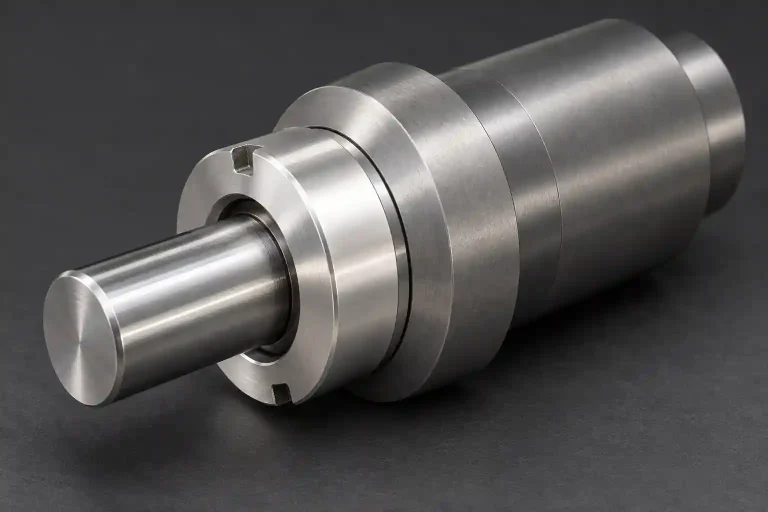
Titanium vs Stainless Steel: Recheck the Mating Parts
Titanium can be worth considering when a stainless steel CNC part misses a weight target or faces a corrosion problem…
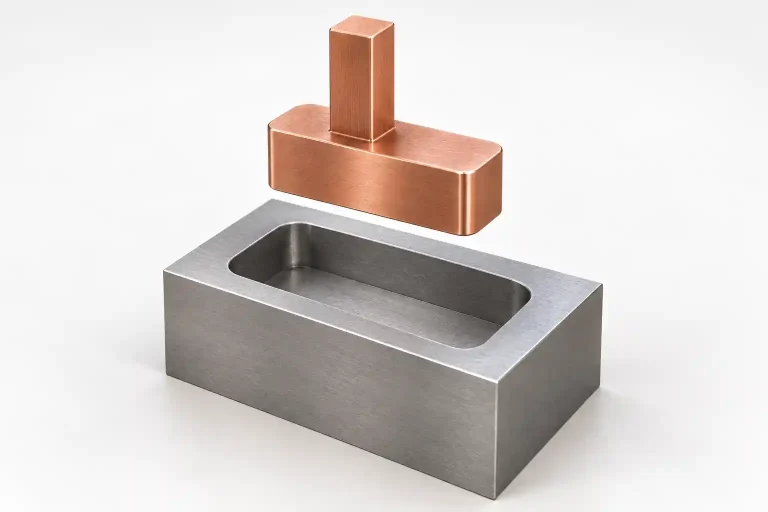
Sinker EDM vs Wire EDM: Check the Electrode Path
Choose between sinker EDM and wire EDM by checking how the electrode can reach the feature while leaving the required…
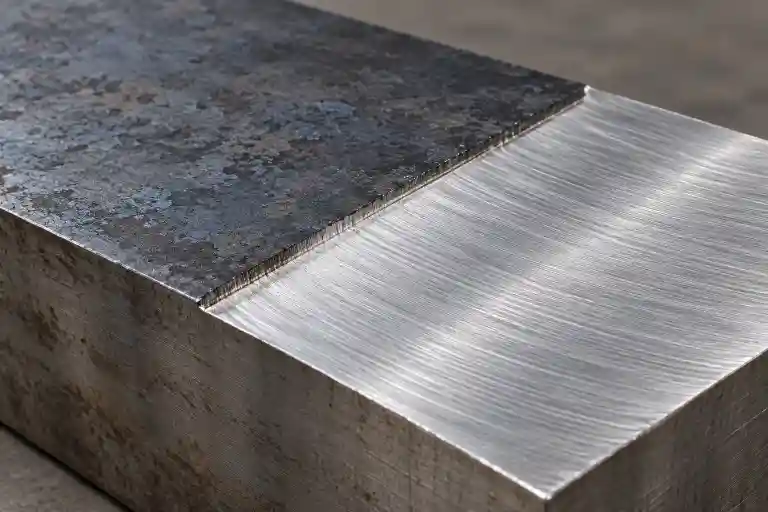
Hot Rolled vs Cold Rolled Steel: Buying Machining Stock
For CNC parts, cold-rolled steel is worth considering when its supplied surface and dimensions can remove work from the manufacturing…
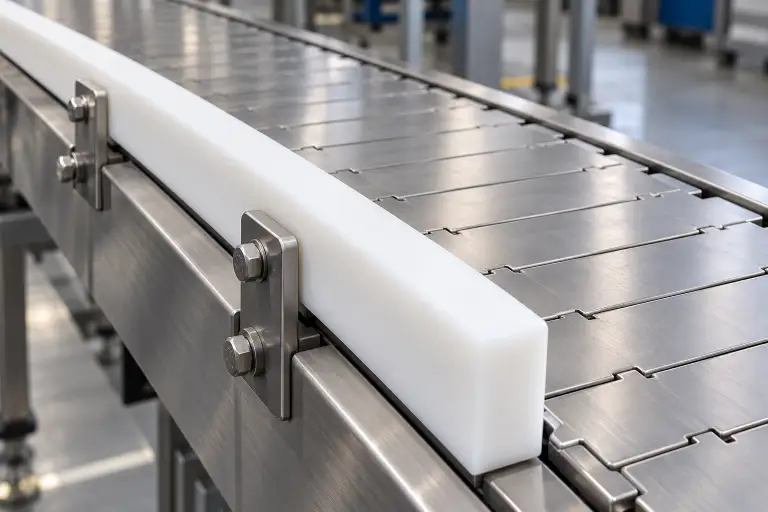
HDPE vs UHMW: Choosing Plastic for Machined Wear Parts
For machined guides, wear strips, and contact pads, UHMW is usually the better starting point when repeated sliding and abrasion…
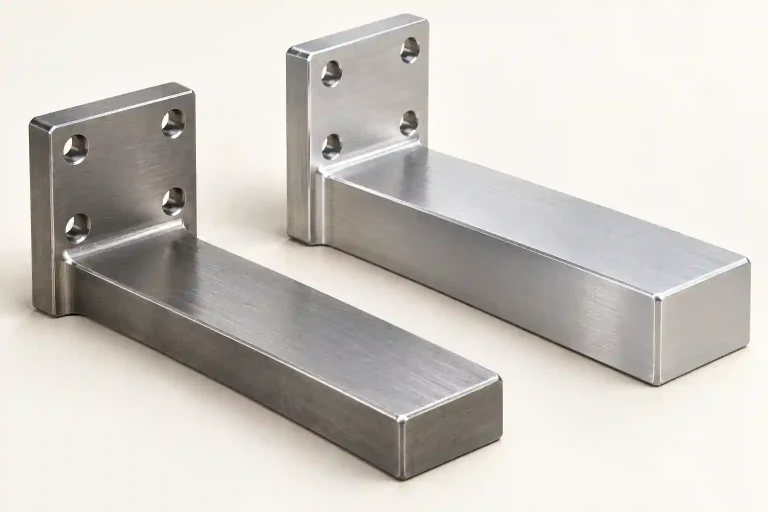
Steel vs Aluminum: Can the Same CNC Design Work?
For CNC parts, a steel vs aluminum comparison starts with whether the geometry can change. Aluminum can reduce mass, but…
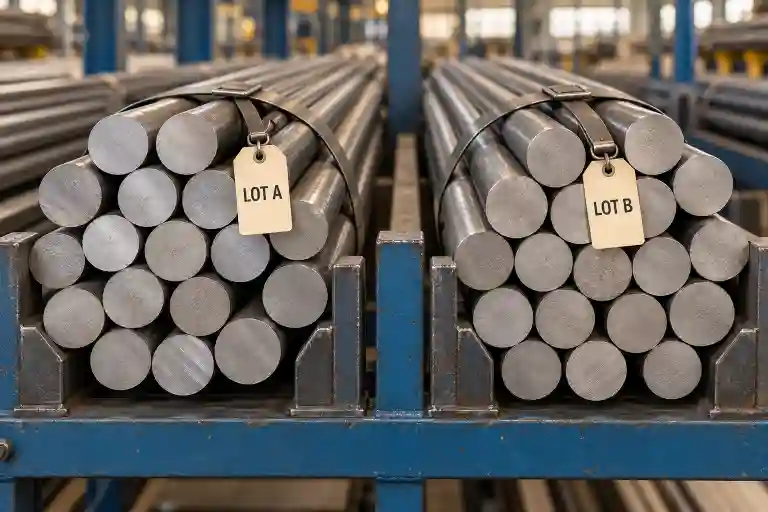
Material Certification for CNC Parts: What to Request
For metal CNC parts, a material certification request should identify the required material specification, the document to be supplied, and…
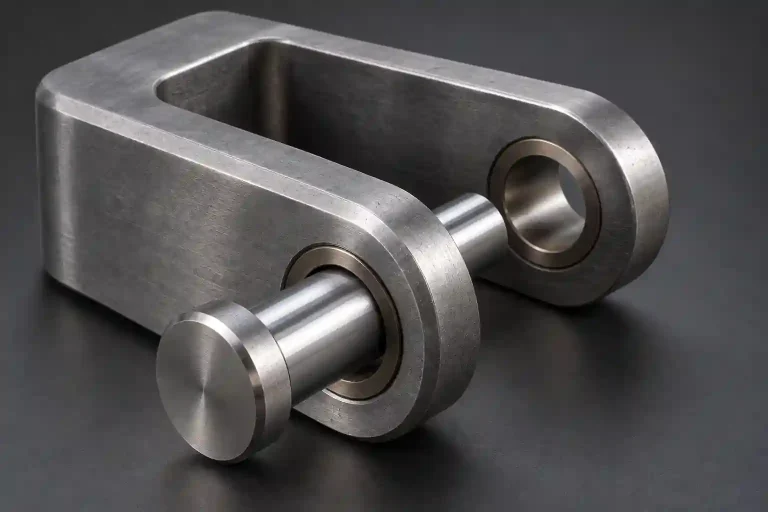
1018 vs 1045 Steel: Choosing a Grade for CNC Parts
1018 is often a practical choice for machined parts that need welding, forming, or general mechanical service without a demanding…