如何处理铜零件的表面氧化

1、了解铜零件的表面氧化

什么是铜件表面氧化?

铜件表面氧化 当铜的最外层与空气中的氧气或其他氧化剂发生反应时就会发生. 该反应导致零件表面形成氧化铜. 氧化是一个随着时间的推移会发生的自然过程, 特别是当铜暴露于潮湿等环境因素时, 热, 和空气. 铜氧化的化学方程式为: 2铜 + 氧气 → 2CuO. 这意味着两个铜原子与一个氧分子反应形成两个氧化铜分子.

氧化水平外貌推荐的专业解决方案
轻微乏味的 / 变暗化学钝化 (酸洗)
中等的棕色的 / 黑色的超声波清洗 + 防锈
严重绿铜绿机械抛光 + 电镀 (镍/金)

对于关键的铜零件, 质量控制不仅要确认表面外观,还要确认功能尺寸. 请参阅我们的指南 CNC 加工零件的 CMM 检测.
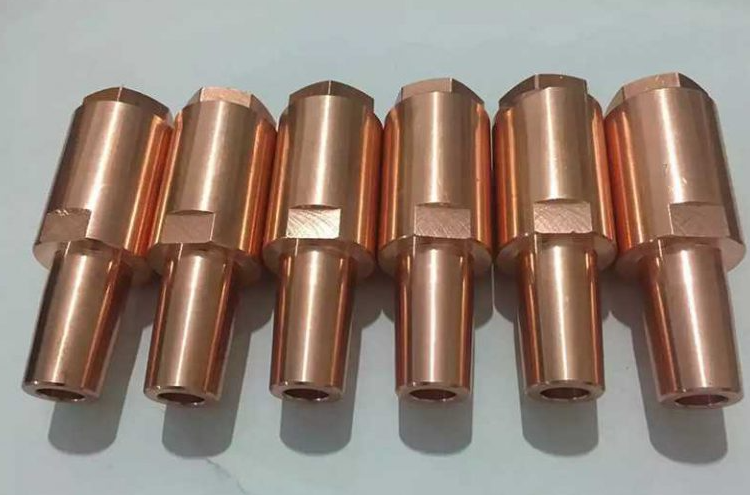
surface oxidation of copper parts

铜件氧化的原因及后果

有几个因素会导致铜件氧化. 主要原因之一是暴露在空气和湿气中. 当铜与潮湿空气接触时, 水分会加速氧化过程. 此外, 高温也会增加氧化速度. 另一个因素是环境中存在某些化学物质或污染物, 能与铜发生反应并引起氧化.

铜部件氧化的后果可能很严重. 氧化会导致铜部件物理性能的变化. 表面形成氧化铜会导致零件变色, 通常会从原来的红棕色变成绿色或黑色. 这不仅影响零件的美观,还可能表明存在潜在问题.

此外, 氧化铜部件的导电性可能会降低. 铜因其优异的导电性而广泛应用于电气领域, 但表面氧化铜的存在会干扰电流. 这可能导致电气系统效率低下,甚至可能导致故障或故障.

在某些情况下, 氧化也会削弱铜件的机械性能. 氧化层可能不具有与底层铜相同的强度和耐用性, 使零件更容易损坏或磨损. 在铜部件承受应力或机械力的应用中,这可能是一个特别值得关注的问题. 全面的, 了解铜部件氧化的原因和后果对于实施有效的预防和处理策略以保持铜部件的性能和寿命至关重要.


2、处理氧化的常用方法

1. 机械清洁方法.

机械清洗是处理铜件表面氧化的主要方法之一. 它涉及从表面物理去除氧化层. 一种常见的方法是使用砂纸等研磨材料. 用细砂纸轻轻打磨铜件的氧化表面, 您可以逐渐磨损氧化铜并露出下面的新鲜铜. 例如, 如果您有一个带有薄薄氧化层的小铜配件, 仔细打磨可以恢复原来的外观,并在一定程度上提高其导电性能.

另一种机械方法是钢丝刷. 专为金属清洁而设计的专用钢丝刷,可用于擦洗铜件表面. 钢丝刷的刷毛可以有效去除表面的氧化物颗粒. 这对于较大的铜部件或表面更不平坦的部件特别有用. 然而, 使用钢丝刷时要小心,避免将铜刮伤太深,这一点很重要, 因为过度刮擦会损坏零件并影响其功能.

抛光也是一种可行的机械清洁选择. 使用抛光剂和软布或抛光轮, 你可以抛光氧化的铜表面. 这不仅可以消除氧化,还可以使零件具有光泽和光滑的表面. 当您想提高铜件的美观度时,这是一个不错的选择, 例如装配体中可见的装饰铜件或组件. 在工业环境中, 在采取进一步处理或保护措施之前,机械清洁方法通常是处理氧化的第一步.

2. 化学处理方法.

化学处理为处理铜零件氧化提供了有效的解决方案. 一种常用的化学方法是使用酸溶液. 例如, 醋, 其中含有醋酸, 可用于溶解氧化铜. 可以将氧化铜部分放入稀释的醋溶液中浸泡一定时间. 酸与氧化铜反应, 将其转化为可溶性盐,用水冲洗即可轻松去除. 然而, 控制好酸的浓度和浸泡时间很重要, 因为过度接触酸也会开始与下面的铜发生反应并造成损坏.

另一种化学试剂是柠檬酸. 与一些更强的酸相比,它是一种更温和的替代品,通常是精致的铜制品的首选. 您可以配制柠檬酸溶液,然后使用软布或浸泡零件将其涂抹在氧化表面上. 柠檬酸会温和地分解铜氧化物,而不会过度侵蚀铜本身. 用柠檬酸处理后, 必须彻底冲洗以去除任何残留的酸和反应产物.

市场上也有商业铜清洁产品. 这些产品通常含有专门配制的化学品混合物,用于去除铜零件上的氧化. 它们通常附带有关如何安全有效使用它们的详细说明. 其中一些产品可能含有额外的保护剂,可以在清洁后在铜表面留下薄层,以减缓未来的氧化. 当使用化学处理方法时, 应采取适当的安全预防措施, 例如戴手套并在通风良好的地方工作, 以避免所涉及的化学品造成任何伤害.


💡 For precision copper CNC parts, cleaning and oxidation prevention should be planned together with machining, 检查, 和包装. If the part has electrical contact areas, 可见表面, 螺纹孔, or tight mating features, the cleaning method should avoid excessive material removal, 表面划痕, trapped moisture, and chemical residue. For stored or shipped copper parts, dry packaging, clean handling, desiccants, and suitable anti-tarnish protection may help reduce surface discoloration.


3、How Copper Oxidation Affects CNC Part Quality

Surface oxidation is not only a cosmetic issue. For copper CNC machined parts, oxidation may affect electrical contact, soldering or brazing preparation, 密封面, assembly appearance, and customer acceptance.

A light color change may be acceptable on non-visible or non-functional areas. 然而, oxidation on contact surfaces, threaded areas, 配合面, or precision features should be reviewed more carefully. Cleaning may remove a small amount of material, change surface appearance, or leave residue if the process is not controlled.

Oxidation RiskPossible Effect on CNC Parts检查什么
Dark surface filmPoor appearance or rejected cosmetic surfaceVisible areas and finish standard
Oxide on contact areasReduced electrical contact qualityContact surfaces and conductivity needs
Oxide inside holes or threadsAssembly difficulty or trapped residue盲孔, 线程, 内部口袋
Aggressive cleaningScratches or slight material removalCritical dimensions and sealing surfaces
清洗后干燥不良Water marks or renewed oxidationDrying method and packaging
Long storage or shippingTarnish before assemblyAnti-tarnish packaging and desiccant

为了 copper CNC machined parts used in electrical, 热的, or appearance-related applications, oxidation control should be discussed before production when possible. The best method is usually not one single cleaning step, but a combination of suitable material handling, machining fluid control, 去毛刺, 打扫, 烘干, 检查, 和包装.


4、Choosing the Right Treatment Method for Oxidized Copper Parts

The right treatment depends on the oxidation level, 零件几何形状, 表面光洁度要求, and functional area. A decorative copper cover, a copper busbar, a threaded copper connector, and a precision CNC copper insert may need different cleaning methods.

Light oxidation or dull surface

For light discoloration, wiping, mild cleaning, or gentle polishing may be enough. This is suitable when the oxide layer is thin and the part does not have tight cosmetic or dimensional requirements.

然而, even light polishing should be controlled on precision CNC parts. Over-polishing can round edges, change surface texture, or affect small features.

Medium oxidation or dark film

For medium oxidation, mild chemical cleaning may be considered. Citric acid, diluted acetic acid, or commercial copper cleaners may help remove copper oxide, but the concentration, soaking time, 漂洗, and drying process must be controlled.

After chemical cleaning, parts should be rinsed and dried properly. Residual chemicals can create stains, corrosion marks, or later surface problems. For more general part cleaning considerations, 看看我们的 cleaning methods for CNC machined metal parts.

Heavy oxidation or green corrosion

Severe green corrosion or thick oxide layers require more careful review. 机械抛光, chemical cleaning, or surface refinishing may be needed, but the part should be checked first to confirm whether the oxide is only on the surface or whether the copper has already been damaged.

用于精密零件, heavy oxidation may not be fully recoverable without affecting appearance or dimensions. 在某些情况下, remaking the part may be safer than aggressive rework.


5、How to Prevent Copper Oxidation Before and After CNC Machining

Preventing copper oxidation is usually easier than fixing it after parts have already changed color. 适用于 CNC 加工铜零件, oxidation prevention should start from machining, continue through cleaning, and finish with proper packaging.

Control handling after machining

Copper surfaces can react with moisture, 指纹, oils, and air pollutants. Clean gloves should be used when handling visible or functional copper surfaces. Parts should not be left exposed on a workbench for a long time, especially in humid conditions.

Clean and dry parts properly

After CNC machining, copper parts may carry cutting fluid, 油, 筹码, or polishing residue. These residues can affect appearance and may accelerate discoloration during storage. Cleaning should be followed by full drying, 特别适用于盲孔, 螺纹孔, 内部口袋, and small gaps.

Use suitable packaging

For short-term delivery, clean bags, protective wrapping, and separated packaging may be enough. For longer storage or international shipping, sealed packaging, desiccants, anti-tarnish paper, or other suitable protective methods may be considered depending on the part surface and customer requirement.

Avoid mixed-metal storage

Copper parts should not be stored together with metals that may create galvanic corrosion risk under humid conditions. If copper parts are packed with steel hardware, 紧固件, or fixtures, they should be separated properly.

Define appearance requirements before production

If the copper surface is visible after assembly, the drawing or RFQ should clearly state cosmetic requirements. Buyers should confirm whether slight natural darkening is acceptable, whether the surface must remain bright, and whether anti-tarnish packaging is required.

For projects where copper appearance, 涂层, 电导率, or corrosion behavior matters, the surface requirement should also be checked together with the selected surface finishes for CNC parts.


6、Practical Notes on Future Copper Oxidation Control

Future oxidation control may involve better anti-tarnish coatings, cleaner packaging materials, improved humidity control, and more stable surface protection methods. 然而, most CNC buyers should first focus on the basics: copper grade, 表面光洁度要求, 清洁方法, drying process, 处理, 包装, and storage condition.

For custom copper CNC parts, oxidation control is usually most effective when it is planned before production, not after the parts have already changed color. If the part has visible surfaces, 电接触区域, tight mating features, or long shipping time, these requirements should be confirmed during quotation.


❓ 常见问题解答: Surface Oxidation of Copper CNC Parts

Why do copper parts turn black or dark after machining?

Copper can darken when it reacts with oxygen, 水分, sulfur compounds, cutting fluid residue, 指纹, or other environmental pollutants. If copper parts are not cleaned, 干的, and packed properly after machining, surface discoloration may appear during storage or shipping.

Does oxidation affect copper conductivity?

Surface oxidation can affect electrical contact quality, especially when the oxide is located on contact surfaces. The effect depends on oxide thickness, 接触压力, part function, and surface condition. For electrical copper parts, contact areas should be clearly marked on the drawing or RFQ.

Can oxidized copper parts be cleaned?

是的, light or medium oxidation can often be cleaned by wiping, mild chemical treatment, 抛光, or commercial copper cleaners. 然而, aggressive cleaning may scratch the surface or remove material. 用于精密数控零件, cleaning should be selected based on geometry, 宽容, and surface requirements.

Will cleaning oxidized copper change part dimensions?

它可以, depending on the method. Light wiping may have little effect, 但抛光, abrasive cleaning, pickling, or repeated chemical treatment can remove material or change surface texture. 关键尺寸, 密封面, and threaded areas should be checked before and after treatment when needed.

How can copper oxidation be prevented during shipping?

Copper parts should be cleaned, 干的, and packed to reduce moisture and air exposure. 取决于项目, sealed bags, desiccants, anti-tarnish paper, protective film, separated packaging, or dry storage may be used. The packaging method should match the shipping time, destination environment, and surface requirement.

What should buyers tell the CNC supplier before ordering copper parts?

Buyers should provide the copper grade, 2D图, 步骤文件, 表面光洁度要求, visible surface areas, 电接触区域, cleaning expectations, 包装需求, 数量, 及检验要求. If oxidation is not acceptable, it should be stated before production.


7、结论

Surface oxidation of copper parts is common, but it can affect appearance, 电接触, assembly quality, and customer acceptance if it is not controlled. The best solution depends on oxidation level, copper grade, 零件几何形状, 表面饰面, 清洁方法, and storage or shipping condition.

适用于 CNC 加工铜零件, oxidation prevention should not be treated as an afterthought. 打扫, 烘干, 处理, 检查, and packaging should be planned together, especially for contact surfaces, 可见部分, threaded areas, 和精密特征.

Rapid Efficient can review your copper CNC part drawings, 材料等级, 表面饰面, 清洁要求, 包装需求, and inspection expectations before quotation.

发表评论

滚动至顶部

获取报价

点击或拖拽文件到该区域即可上传. 您最多可以上传 10 文件.
文件格式:TXT PDF DOC DOCX XLS XLSX PPT PPTX JPG PNG ZIP RAR DWG DXF DXF DWT DWS DWS

3D文件格式: 步, STP, sldprt, IPT, prt, 坐着, IGES, IGS, catpart, X_T, OBJ, STL