影响数控车铣加工效率的因素有哪些?

快速解答

CNC turning and milling efficiency depends on more than spindle speed or feed rate. The main factors are the number of setups, 零件几何形状, material machinability, cutting-tool selection, 刀具路径策略, 宽容, 表面饰面, 检验要求, 和生产数量.

对于买家, higher machining efficiency usually means fewer setups, less idle movement, stable tool life, practical tolerances, and a process that can produce acceptable parts without repeated adjustment or rework.

A faster cutting parameter does not always reduce the total cost. If it causes premature tool wear, 喋喋不休, 表面光洁度差, dimensional movement, or additional inspection, the finished-part lead time may actually increase.

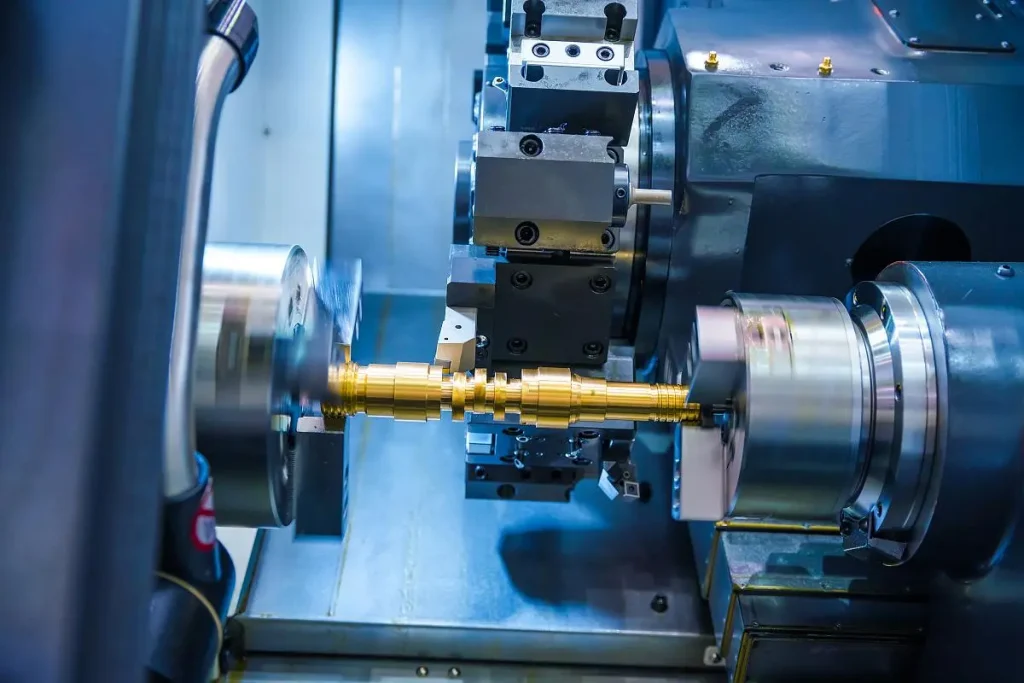
CNC turning and milling center machining a brass shaft with multiple cutting tools and spindle support.

Main Factors That Affect CNC Machining Cost and Lead Time

因素How It Affects EfficiencyWhat the Buyer Should Confirm
设置数量More repositioning increases programming, 夹具, 结盟, 和检查时间Can the geometry be completed in fewer setups?
零件几何形状财力雄厚, 薄壁, long shafts, 底切, and hard-to-reach features require slower or additional operationsAre all complex features functionally necessary?
材料Hard, 艰难的, abrasive, or low-conductivity materials can reduce cutting speed and tool lifeSpecify the exact grade and condition
Cutting toolsIncorrect geometry, 涂层, overhang, or worn tools can cause chatter, 热, 毛刺, 和较差的完成度Are special or custom tools required?
切割参数速度, 喂养, and depth of cut affect cycle time, 切削力, 热, and tool wearAvoid assuming that the highest speed is the lowest-cost option
刀具路径Excessive air cutting, retracts, sharp engagement changes, and repeated passes increase cycle timeCan the program reduce unnecessary movement?
公差Tight tolerances may require finishing passes, stable temperature, 和附加检查Identify only the truly critical dimensions
表面光洁度Low roughness, 装饰表面, and post-processing may require extra operationsDefine visible and functional surfaces
检查三坐标测量机报告, run-out checks, 螺纹量规, and full inspection add timeState report requirements before quotation
数量Prototype and repeat production have different setup and tool-life economicsProvide current and expected repeat quantities

1. Machine Capability and Actual Condition

Machine capability affects efficiency, but the newest or fastest machine is not automatically the best choice for every part.

Spindle Power, Torque, and Speed Range

High spindle speed can help when using small tools or machining suitable aluminum and plastic parts. High torque is more important for larger tools, heavy roughing cuts, and some steel operations.

The correct spindle range must match:

  • 刀具直径
  • 工件材料
  • 切削深度
  • 所需的表面光洁度
  • 机械刚性
  • Toolholder balance

Running at a higher RPM without suitable tooling, balance, and cutting engagement can increase vibration, 热, and tool wear instead of reducing cycle time.

Machine Rigidity and Condition

Spindle condition, 轴运动, 机器刚性, tool run-out, and workholding stability affect how aggressively a part can be machined.

An unstable setup may require:

  • Lower cutting parameters
  • Shorter depth of cut
  • 额外的精加工路径
  • More frequent tool checks
  • Rework of poor surfaces
  • Replacement of damaged tools

Adequate workholding support is especially important for thin walls, long shafts, deep bores, and parts with limited clamping areas.

Tool Changes and Combined Operations

Tool-change time matters when a part requires many drills, 立铣刀, 镗削工具, 攻丝工具, or inspection probes. 然而, reducing the number of tools should not come at the cost of poor feature quality.

Turn-mill equipment can complete turning, 钻孔, 铣削, flats, 凹槽, and cross holes in one coordinated setup when the geometry and machine capability are suitable. This may reduce repositioning and protect relationships between features.


2. 工具选择, 几何学, and Wear

The cutting tool must match the material, 机器, 特征几何, and required finish.

Tool Material and Coating

Carbide tools are widely used for CNC turning and milling because they balance hardness, 耐热性, and productivity. Other tool materials or coatings may be selected for hardened steel, abrasive alloys, high-temperature materials, or demanding production quantities.

The wrong tool grade can cause:

  • Rapid flank wear
  • 碎屑
  • 内置边缘
  • 切屑控制不良
  • Excessive heat
  • Unstable dimensions

刀具几何形状

Rake angle, clearance angle, nose radius, flute count, 边缘准备, and chip-breaker geometry affect cutting force, 切屑形成, 振动, 和表面饰面.

例如:

  • A large tool nose radius may improve finish but increase radial cutting force.
  • Too many flutes engaged in a milling cut may increase cutting force and chatter.
  • A long tool overhang may be necessary for deep features but reduces rigidity.
  • An unsuitable chip breaker may create long chips that interfere with turning.

Tool Wear and Planned Replacement

A worn tool does not only affect tool cost. It can increase cutting force, create burrs, damage the surface, shift dimensions, and cause an unexpected machine stop.

For repeat production, the supplier should define practical tool-life limits and replacement points before the tool produces unacceptable parts.

Tool-life decisions should be based on:

  • Cost of a rejected part
  • 材料
  • 切削时间
  • Surface requirement
  • 关键尺寸
  • Wear pattern
  • 批量数量
  • Cost of a rejected part

3. Cutting Parameters and Toolpath Strategy

切割速度, 进给率, and depth of cut directly affect material-removal rate, 切削力, 温度, 刀具寿命, 和表面质量.

Increasing all three parameters at the same time is rarely the best approach. The process should balance productivity with stable tool life and acceptable part quality.

切割速度

Cutting speed must match the tool material, 涂层, 工件材质, coolant condition, and cutting operation.

Excessive cutting speed may shorten tool life or create heat-related problems. A cutting speed that is too low may also cause rubbing, 积屑瘤, or inefficient machining.

Feed Rate

A higher feed can shorten cycle time, but excessive feed may increase cutting force, 毛刺, 偏转, 和表面粗糙度.

Feed should be selected according to:

  • Tool diameter or insert geometry
  • Number of cutting edges
  • 材料
  • 机械刚性
  • 所需完成度
  • Entry and exit conditions

Depth and Width of Cut

A deeper cut can remove material faster, but the machine, 工具, 夹具, and part must support the increased load.

薄壁, slender shafts, 财力雄厚, and weak clamping positions may require lighter cuts to limit vibration or deformation.

工具路计划

A good toolpath reduces unnecessary retracts, air cutting, repeated entry into the material, and sudden changes in tool engagement.

Useful strategies may include:

  • Simulating the program before production
  • Separating roughing and finishing
  • Keeping cutter engagement more consistent
  • Using suitable entry and exit motions
  • Reducing unnecessary rapid travel
  • Using larger tools before small rest-machining tools
  • Avoiding repeated machining of already finished areas
  • Simulating the program before production

4. Material Machinability and Stock Condition

Material selection affects cutting speed, 刀具磨损, 芯片控制, 热运动, 表面饰面, and the risk of deformation.

Hardness and Strength

Harder or heat-treated materials often require lower cutting speeds, suitable tool grades, 稳定的工件夹持, and more controlled finishing passes.

然而, hardness is not the only factor. Some softer materials can also be difficult to machine because they smear, form built-up edge, or produce heavy burrs.

Toughness and Chip Control

Tough stainless steels, low-carbon steels, and some soft aluminum or copper alloys may create long chips or built-up edge.

Poor chip control can:

  • Scratch the part
  • Wrap around the tool or workpiece
  • Interrupt automatic production
  • Block coolant flow
  • Damage the finished surface
  • Require manual intervention

Thermal Conductivity and Heat Resistance

Materials such as titanium and nickel-based alloys retain more heat near the cutting zone. This can accelerate tool wear and limit cutting parameters.

Aluminum generally allows higher material-removal rates, but thin aluminum parts may still deform when large amounts of stock are removed or clamping force is excessive.

Material Condition and Stock Form

The RFQ should identify more than the material family.

Important details include:

  • 准确等级
  • Heat-treatment condition
  • 硬度
  • 床单, 盘子, 酒吧, 锻造, 铸件, 或挤压
  • Incoming stock size
  • 材料证明要求
  • Grain or rolling direction when relevant

Changing the stock form may reduce both material waste and machining time.


5. 编程, 设置, and Operator Execution

Programming quality affects more than the movement of the cutting tool. It determines the machining sequence, 基准策略, 工具选择, 切削参数, collision risk, 和检查访问.

A practical program should:

  • Use stable and repeatable datums
  • Separate roughing and finishing where necessary
  • Avoid unnecessary tool changes and air movement
  • Allow for tool wear compensation
  • Protect thin or flexible features
  • Provide access for inspection
  • Be simulated before machining
  • Match the actual machine and post-processor

Operator execution also affects setup time and process stability. Correct fixture installation, tool offsets, work offsets, 冷却剂输送, first-piece inspection, and tool-condition checks reduce the risk of repeated adjustment.

Macro programs and automation can help with repeat families of parts, but they should not replace clear setup instructions and process verification.


6. Number of Setups and Part Repositioning

The number of setups is often one of the largest cost and lead-time factors in CNC turning and milling.

Each additional setup may require:

  • A new fixture or soft jaws
  • Workpiece realignment
  • Datum transfer
  • Probe or indicator checks
  • Program changes
  • First-piece verification
  • Additional handling
  • Extra inspection between features

Multiple setups can also introduce error between holes, 直径, 面孔, and milled features that were not produced from the same datum.

Fewer setups may improve efficiency, but one-setup machining is not always the best solution. Complex workholding, excessive tool reach, or poor chip access can make a single setup less stable than two well-planned setups.

The goal is not simply to minimize the setup count. It is to use the fewest setups that can still provide stable machining, safe tool access, 和可靠的检验.


7. 厚度, 表面处理, and Inspection Requirements

Tighter requirements usually reduce machining efficiency because they may require additional process control rather than only slower cutting.

严格的公差

A tight tolerance may require:

  • A separate finishing operation
  • 刀具磨损补偿
  • Reduced cutting load
  • Controlled part temperature
  • Stable fixtures
  • Additional measurement
  • Re-machining after inspection

Applying tight tolerances to every dimension can increase cost without improving part function. Drawings should identify critical fits, 基准关系, and inspection methods.

For more guidance, 回顾我们的 CNC加工公差 资源.

表面处理

A low surface-roughness requirement may need:

  • A dedicated finishing tool
  • Reduced feed
  • A stable tool nose radius
  • Additional passes
  • Polishing or grinding
  • Protection during handling

The drawing should distinguish functional sealing or bearing surfaces from ordinary non-critical machined surfaces.

Inspection Requirements

Inspection time is part of the production process.

Requirements such as CMM reports, full-dimensional reports, thread-gauge records, run-out inspection, surface-roughness testing, or material certificates should be defined before quotation.


8. 数量, Tool Changes, and Production Planning

The most efficient process for one prototype may not be the best process for 500 repeat parts.

For a prototype, the supplier may prioritize:

  • Standard tools
  • Simple fixtures
  • Flexible programming
  • Fast material availability
  • Reduced upfront preparation

For repeat production, it may be worthwhile to use:

  • Dedicated soft jaws or fixtures
  • Preset tool libraries
  • Backup tools
  • In-process probing
  • Tool-life monitoring
  • Standardized inspection plans
  • Pre-cut material
  • Automated part handling

Batch size affects how setup, 编程, 工装, 检查, and material costs are distributed across the order.

When requesting a quotation, provide both the immediate quantity and any realistic repeat-order expectation.


How Buyers Can Improve CNC Turning and Milling Efficiency

Buyers do not need to choose cutting speeds or program toolpaths, but drawing and RFQ decisions can strongly affect efficiency.

报价前, review whether the design can:

  • Reduce unnecessary setups
  • Avoid deep and narrow pockets
  • Use standard drill and thread sizes
  • Increase internal corner radii
  • Avoid excessively thin walls
  • Limit tight tolerances to functional features
  • Separate cosmetic and functional surfaces
  • Use readily available material and stock sizes
  • Provide clear datums and inspection requirements
  • Combine realistic prototype and repeat quantities

A supplier should review these items before fixing the machining route and price.

For broader design guidance, 看看我们的 CNC加工设计指南.


RFQ Information That Helps Reduce Quotation and Lead Time

询价项目提供什么为什么它很重要
3D型步, STP, or another usable solid modelSupports programming and geometry review
2D图公差, 日期, 线程, 结束, and notesDefines requirements not shown in the model
材料准确等级, 脾气, 硬度, and certificate needsAffects cutting tools, 参数, and sourcing
数量Prototype quantity and expected repeat volumeAffects setup and tooling decisions
关键尺寸适合, 耗尽, 平整度, 位置, 和交配特征Helps plan finishing and inspection
表面光洁度Roughness, 阳极氧化, 电镀, 磨削, 或抛光Affects process steps and dimensional allowance
检查标准检验, 三坐标报告, 螺纹量规, or full reportDefines inspection time before quotation
Delivery priorityNormal or urgent delivery requirementHelps evaluate machine and material availability

常问问题: CNC Turning and Milling Efficiency

Does a Higher Spindle Speed Always Improve Machining Efficiency?

福田街道. The correct speed depends on the tool, 材料, 手术, 机器能力, balance, and coolant condition. Excessive speed may shorten tool life or cause heat and vibration.

Which Factor Has the Largest Effect on CNC Machining Cost?

There is no single factor for every part. 设置计数, 周期, 材料, 刀具磨损, 公差, 检查, and production quantity often have the greatest combined effect.

Why Do Tight Tolerances Increase Lead Time?

Tight tolerances may require finishing passes, 稳定的固定装置, 刀具磨损控制, temperature management, 和附加检查. These steps add both machining and verification time.

Can Turn-Mill Machining Reduce Production Time?

It can reduce repositioning when turning and secondary milling features are completed in one coordinated setup. The benefit depends on part geometry, 工具访问, 工件夹持, machine availability, 和数量.

How Can a Buyer Reduce CNC Machining Time?

Use practical tolerances, standard features, accessible geometry, suitable stock sizes, clear datums, and complete RFQ information. An early drawing review can identify unnecessary operations before quotation.

Does Faster Machining Always Mean a Lower Price?

福田街道. Faster cutting is only valuable when tool life, part quality, 报废风险, 检查, and process stability remain acceptable.


结论

CNC turning and milling efficiency is controlled by the complete process, not only by machine speed.

机器能力, 工装, 切削参数, 材料, 刀具路径, 设置计数, 宽容, 结束, 检查, and production quantity must work together. A faster cutting operation does not reduce total lead time when it creates tool failure, dimensional problems, 返工, or additional inspection.

对于买家, the most effective improvements usually come from clear drawings, practical tolerances, fewer unnecessary setups, suitable material and stock form, and complete RFQ information.


Review Your CNC Turning or Milling Project

快速高效可以审核您的图纸, 材料, 几何学, setup risks, 公差, 表面饰面, 检验要求, 以及报价前的订单数量.

For rotational parts, 轴, 袖子, 衬套, 法兰, and components with secondary milled features, 回顾我们的 数控车削服务.

对于外壳, 盘子, 括号, 口袋, 和多表面零件, 回顾我们的 数控铣削服务.
发表评论

滚动至顶部

获取报价

点击或拖拽文件到该区域即可上传. 您最多可以上传 10 文件.
文件格式:TXT PDF DOC DOCX XLS XLSX PPT PPTX JPG PNG ZIP RAR DWG DXF DXF DWT DWS DWS

3D文件格式: 步, STP, sldprt, IPT, prt, 坐着, IGES, IGS, catpart, X_T, OBJ, STL