

Blog List
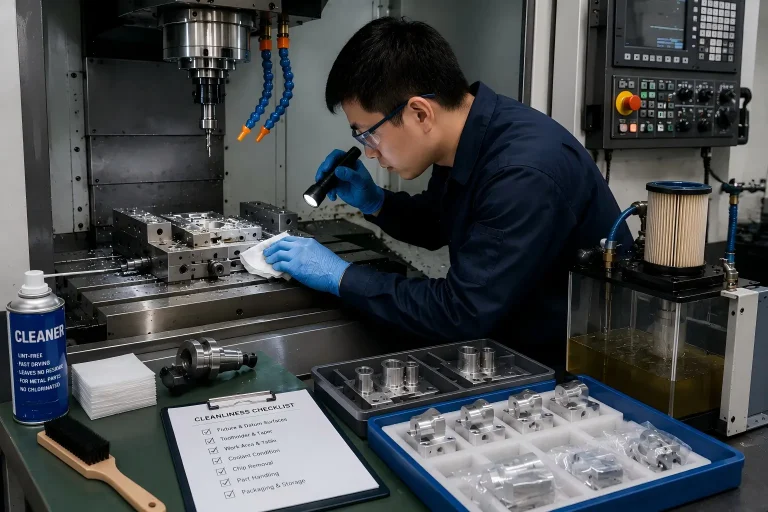
How to Avoid Contamination and Damage During Precision CNC Machining?
Quick Answer Contamination and damage in precision CNC machining are commonly caused by chips trapped between locating surfaces, dirty toolholders,…
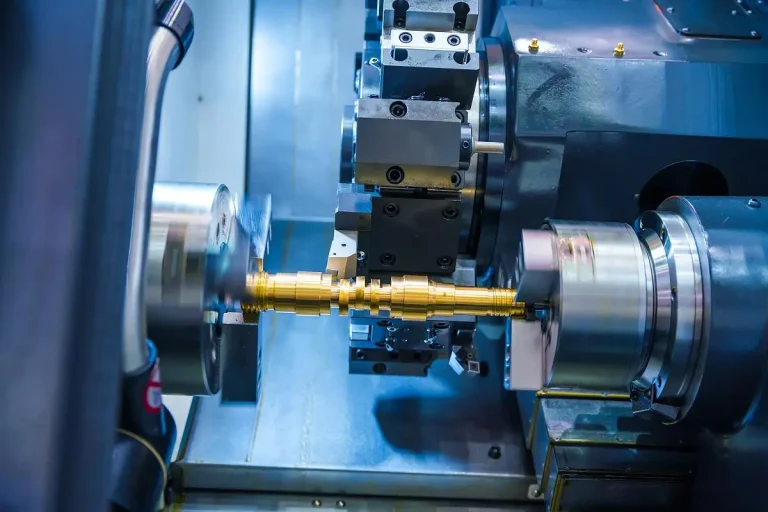
What Factors Affect CNC Turning and Milling Efficiency?
Quick Answer CNC turning and milling efficiency depends on more than spindle speed or feed rate. The main factors are…
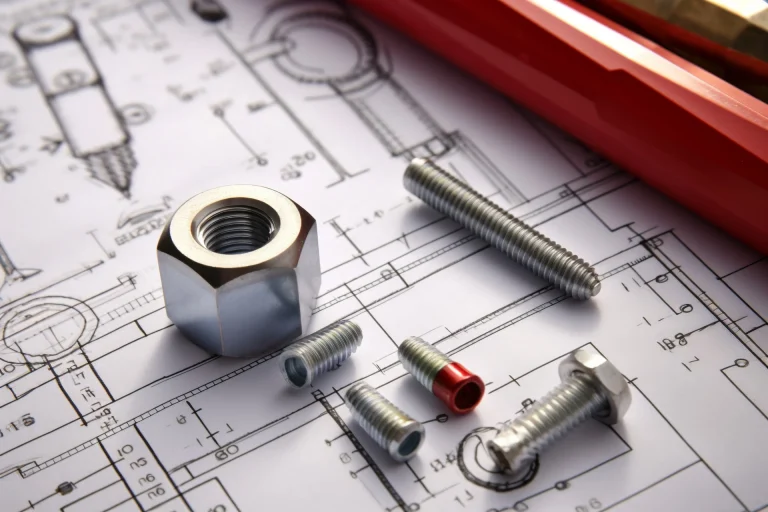
Advantages and Disadvantages of Non-Standard Hardware Parts Processing
Quick Answer: Non-standard hardware parts processing allows buyers to create custom parts that standard components cannot meet, especially when the…
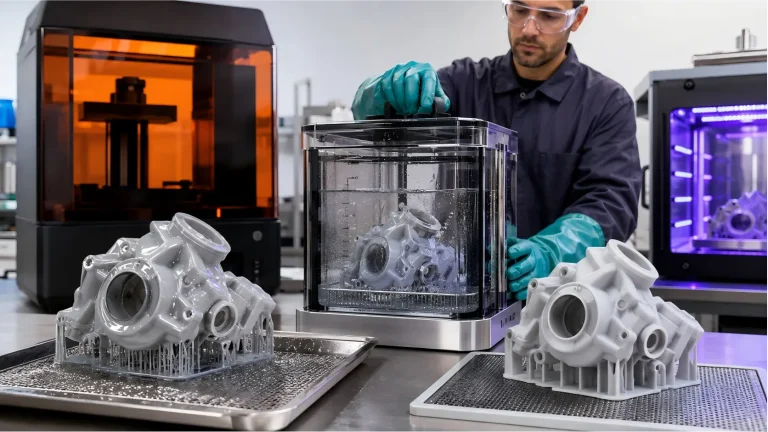
Why Is Isopropyl Alcohol Used in Resin 3D Printing?
Isopropyl alcohol, usually called IPA, is used after SLA, DLP, and similar resin 3D printing processes to remove uncured liquid…
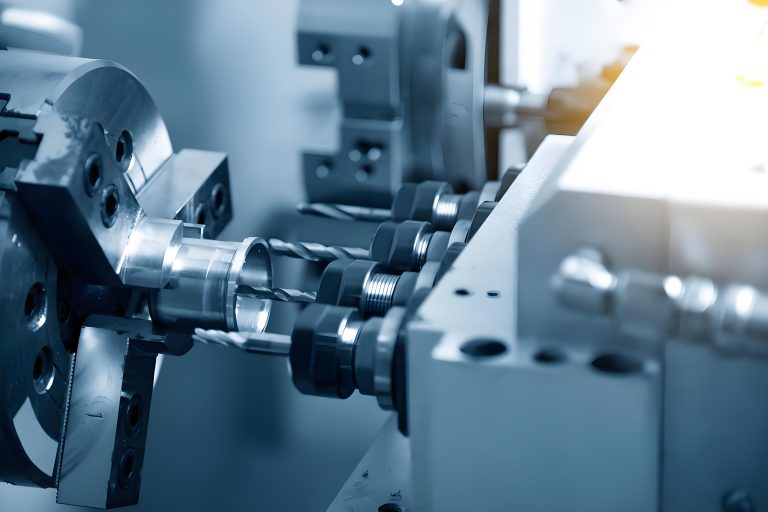
CNC Machine Tool Industry Pain Points: Cost, Quality & Delivery
Quick Answer: The biggest pain points in the CNC machine tool and CNC machining industry are high equipment costs, skilled…
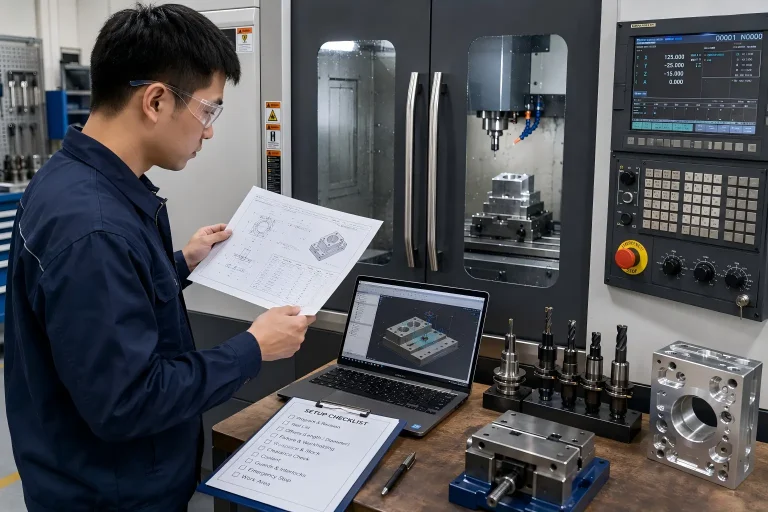
CNC Machining Principles and Safety Precautions: A Practical Guide
Stable CNC machining depends on more than entering a program and pressing cycle start. The machine, cutting tool, fixture, workpiece,…
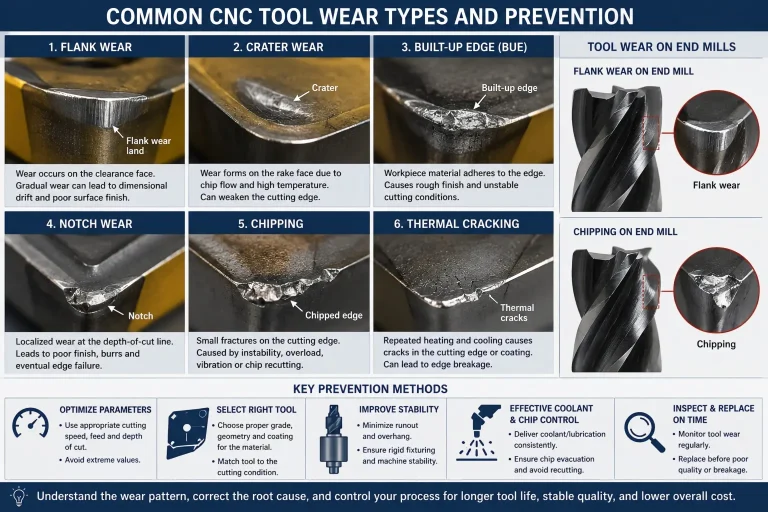
Tool Wear in CNC Machining: Types, Causes, and Prevention
Quick Answer: How Can CNC Tool Wear Be Reduced? The main tool-wear patterns in CNC machining include flank wear, crater…
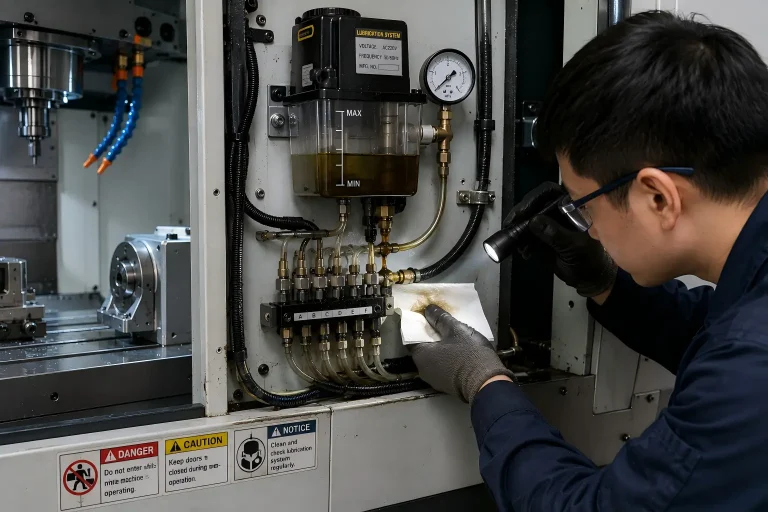
What Causes Oil Leakage in CNC Machining Centers?
Quick Answer Oil leakage in a CNC machining center is commonly caused by loose or damaged fittings, cracked tubing, worn…
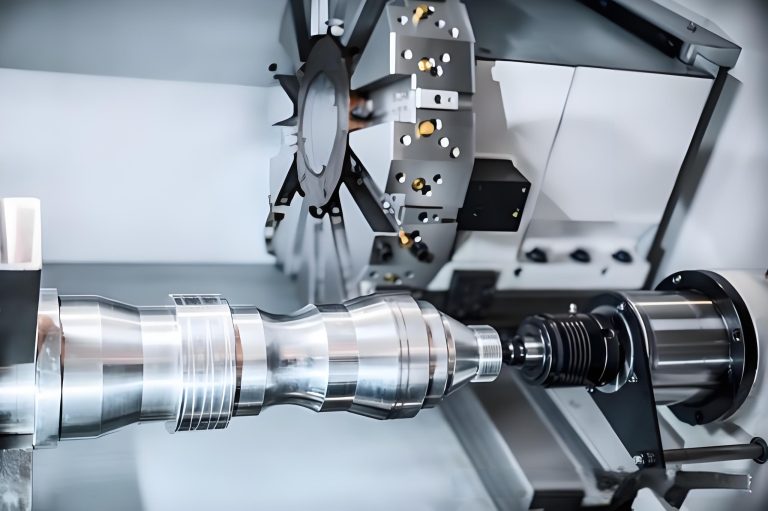
How to Reduce CNC Machining Deformation: 5 Practical Fixes
Quick Summary: How to Reduce CNC Machining Deformation CNC machining deformation is usually caused by clamping pressure, residual material stress,…
