

Blog List
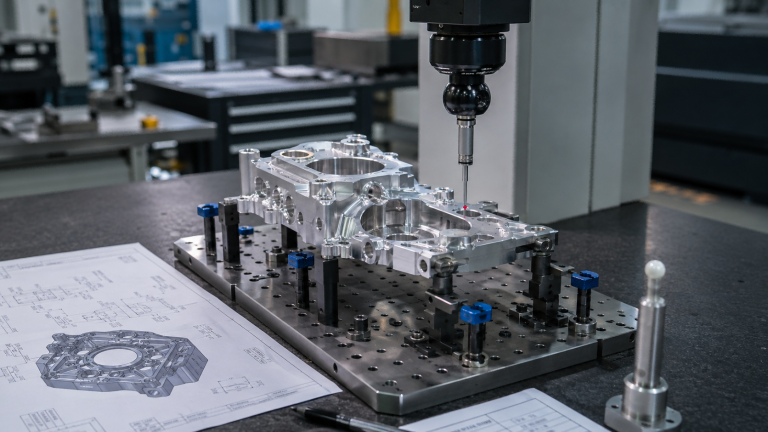
CNC Machining Tolerance Stack-Up: Formula, RSS, and Practical Example
CNC machining tolerance stack-up is the combined effect of dimensional variation across several features, datums, setups, fixtures, and inspection references.…
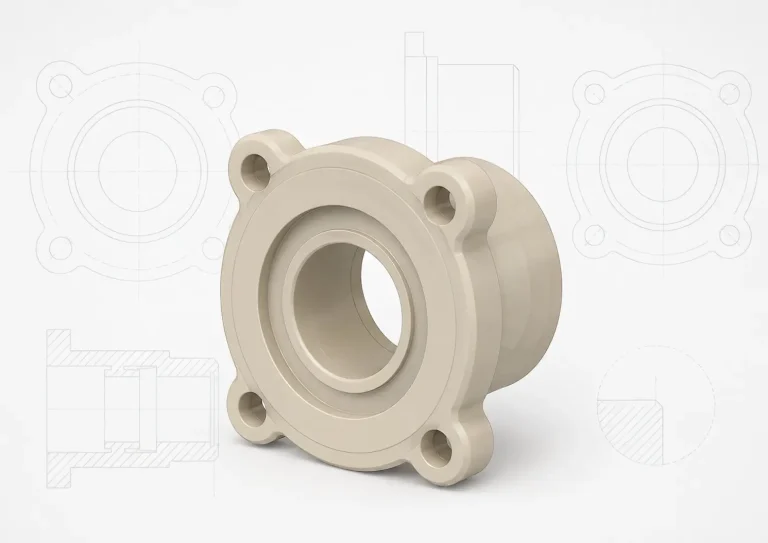
CNC Machining PEEK Parts: A Representative Tolerance-Control Case
REPRESENTATIVE CASE STUDY This representative engineering case uses simplified geometry, requirements, and process illustrations to explain tolerance control for a…
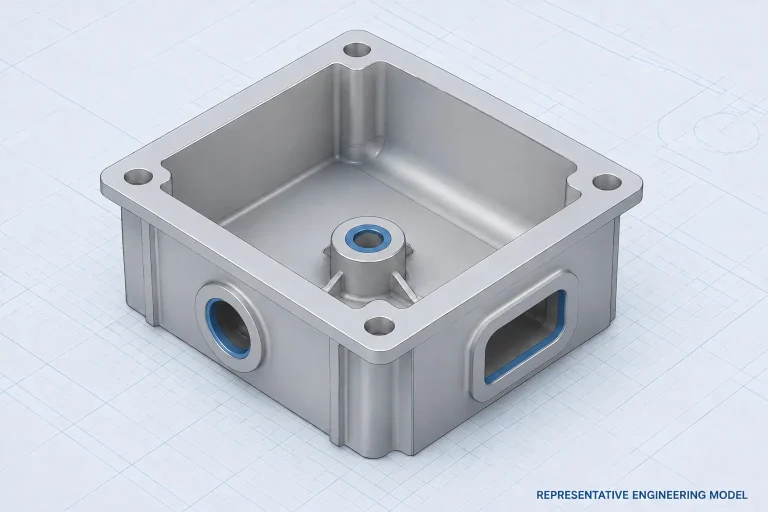
5-Axis CNC Machining of an Aluminum Housing
REPRESENTATIVE ENGINEERING CASE This engineering case uses a simplified aluminum housing model to demonstrate how datum planning, workholding, tool access,…
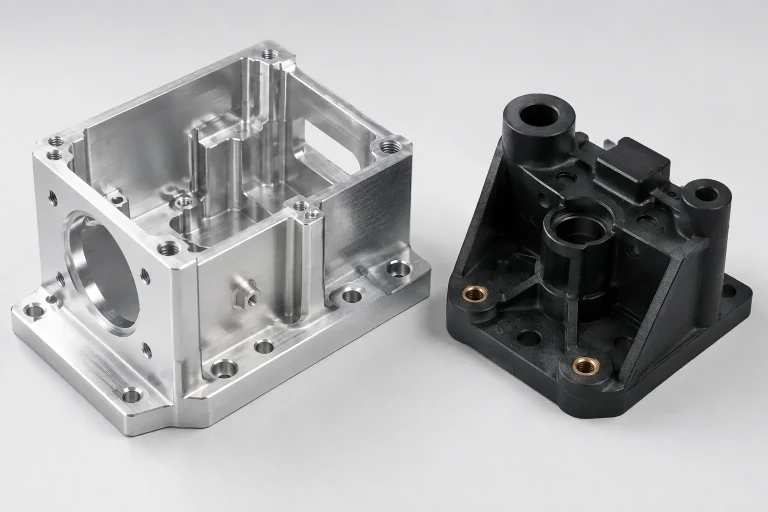
Aluminum vs Plastic Parts: How to Choose for CNC Machining and Production
Choosing between aluminum and plastic is not simply a question of which material is stronger or cheaper. The decision usually…
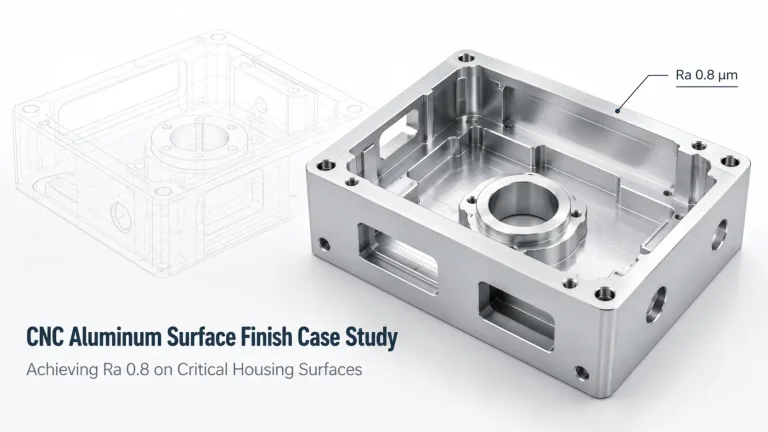
Surface Finish Guide for CNC Machined Aluminum | Achieve Ra 0.8
REPRESENTATIVE CASE STUDY Achieving Ra 0.8 on Critical Surfaces of a CNC-Machined Aluminum Housing This case shows how surface-finish requirements…
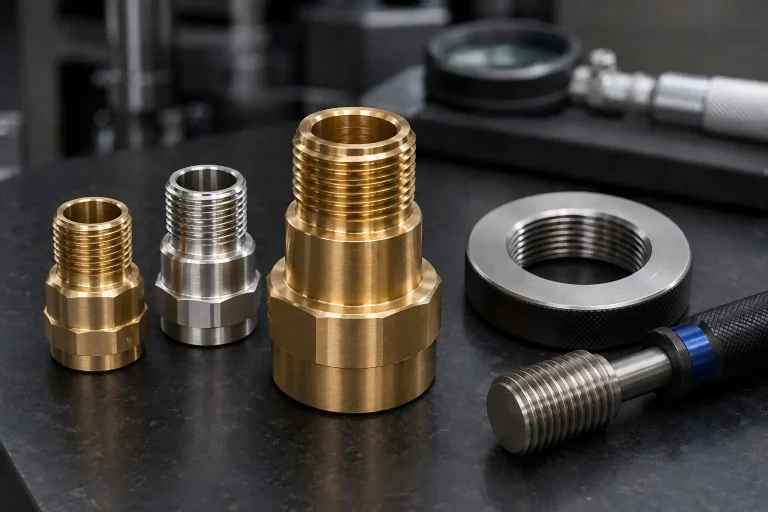
CNC Brass Electrical Connector Manufacturing Case: Thread, Burr, and Plating Control
A CNC-turned brass connector may appear simple, but its functional performance can depend on several closely related features: thread engagement,…
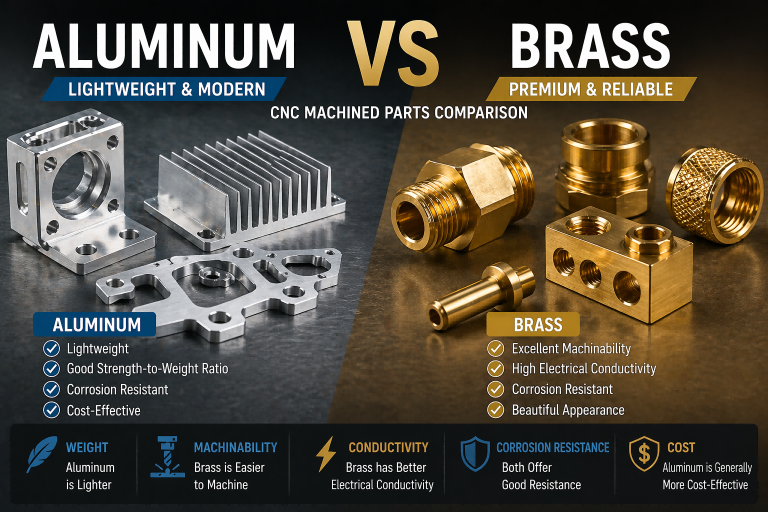
Aluminum vs Brass: Which Is Better for CNC Machined Parts?
Quick Answer: Should You Choose Aluminum or Brass? Choose aluminum—often 6061-T6 or 6061-T651—for weight-sensitive housings, brackets, heat sinks, fixtures, and…
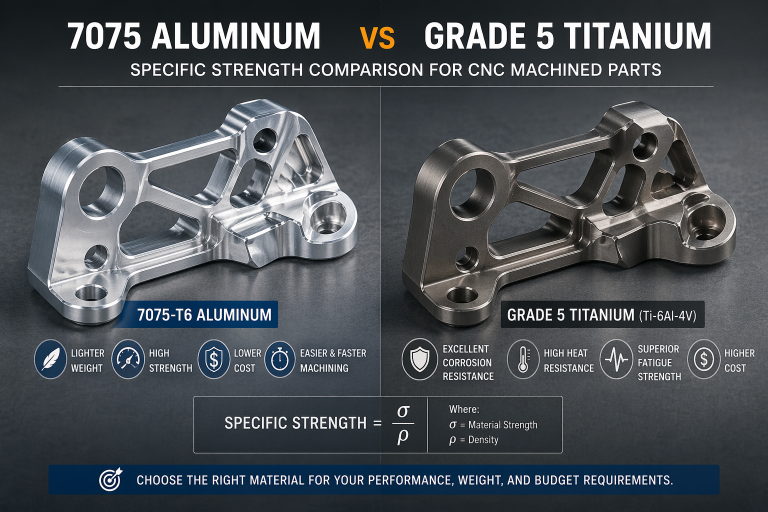
7075 Aluminum vs Grade 5 Titanium: Which Is Better for CNC Parts?
Choose by Service Conditions, Not Material Prestige 7075-T6/T651 aluminum and Ti-6Al-4V Grade 5 titanium can both work well for high-performance…
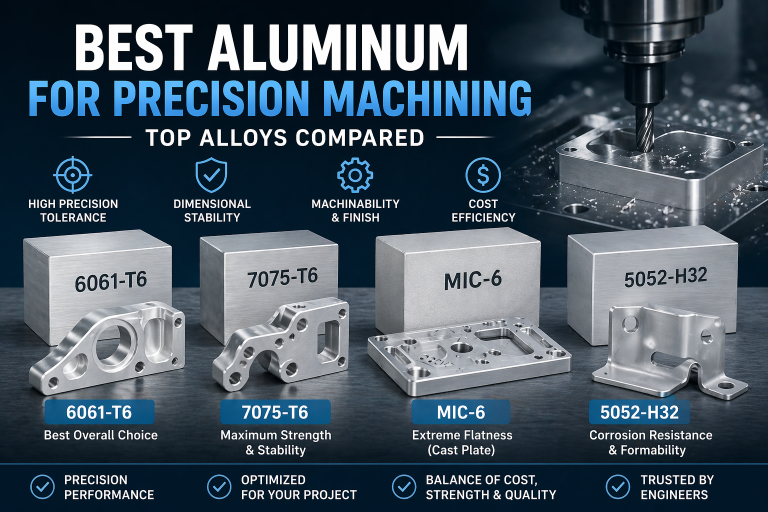
Best Aluminum for Precision Machining: Top Alloys Compared
Quick Answer: Which Aluminum Is Best for Precision Machining? For most general precision CNC parts, 6061-T651 plate or a suitable…
