

Blog List
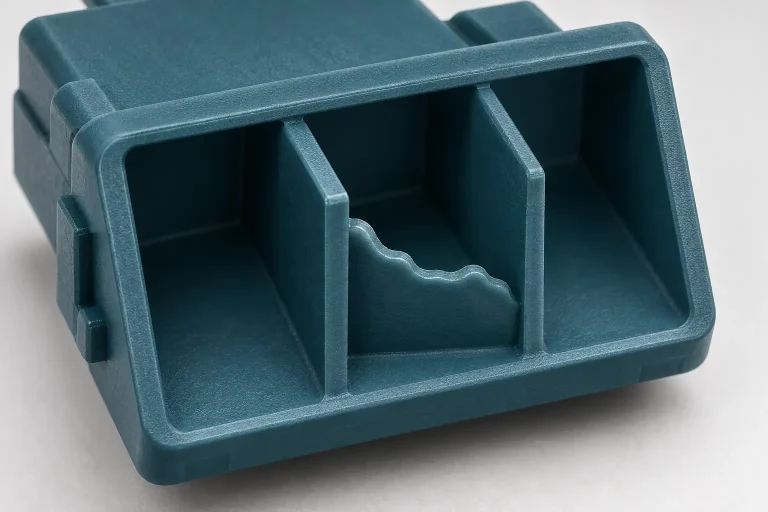
Short Shots in Injection Molding: Where Filling Stops
A connector housing can have a complete outer frame while one thin internal partition remains unfinished. Adding more material to…
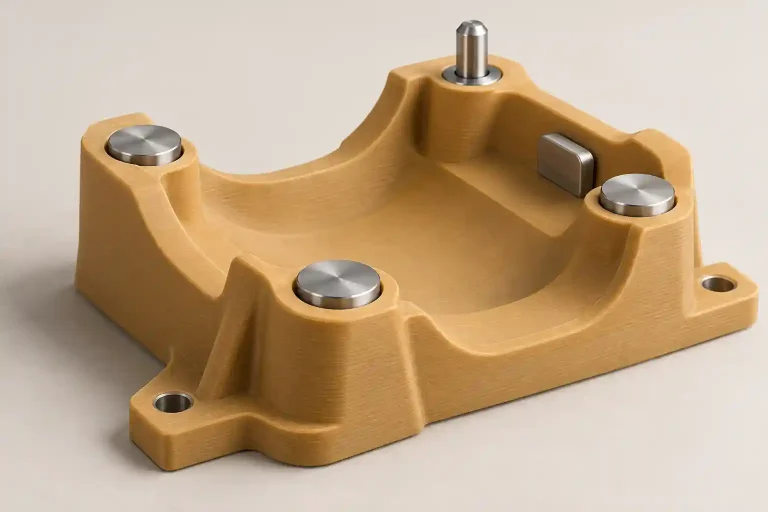
CNC vs 3D Printing for Functional Parts
CNC machining removes material from stock; 3D printing builds a part layer by layer. For a functional component, the useful…
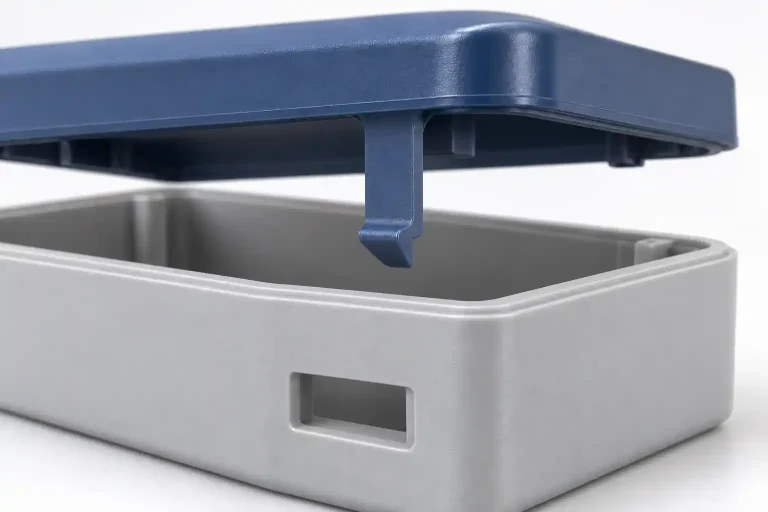
Snap-Fit Design: Deflection, Retention, and Release
A plastic lid can click into place yet remain too loose in service, require excessive force to open, or lose…
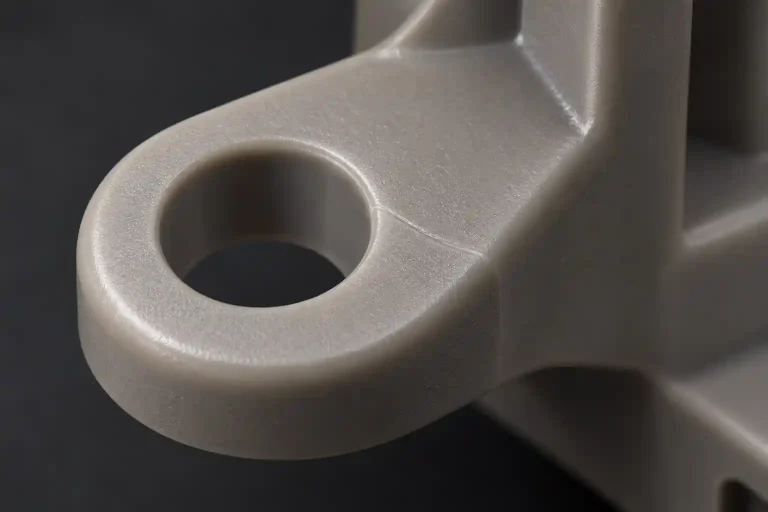
Knit Lines in Injection Molding: Strength and Appearance
Knit lines in injection molding form where separated melt fronts meet and join. Also called weld lines, these regions may…

Injection Molding Cost: From Shot to Finished Part
Injection molding cost includes the tool, the production runs, and the work needed to deliver acceptable parts. A quoted piece…
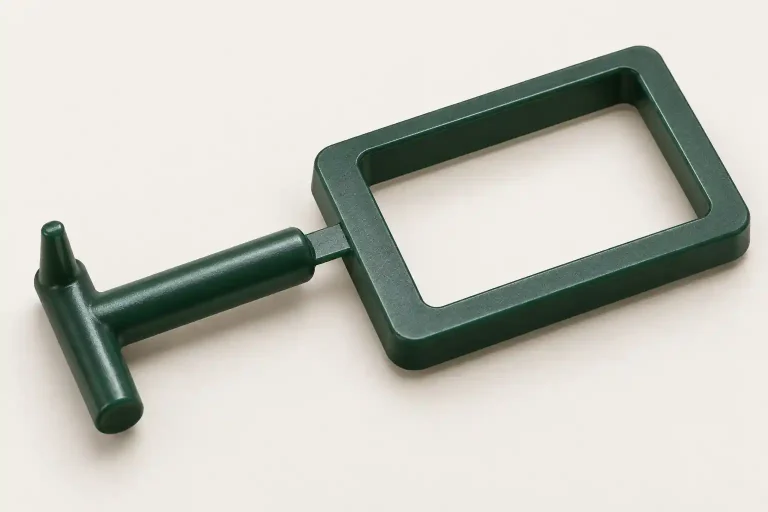
Injection Molding Gate: Types, Location, and Vestige
An injection molding gate is the opening through which molten resin enters the mold cavity. Its location must support filling…

Sink Marks in Injection Molding: Packing, Ribs, and Voids
Sink marks in injection molding are local depressions that develop when a cooling section shrinks without enough material compensation. They…
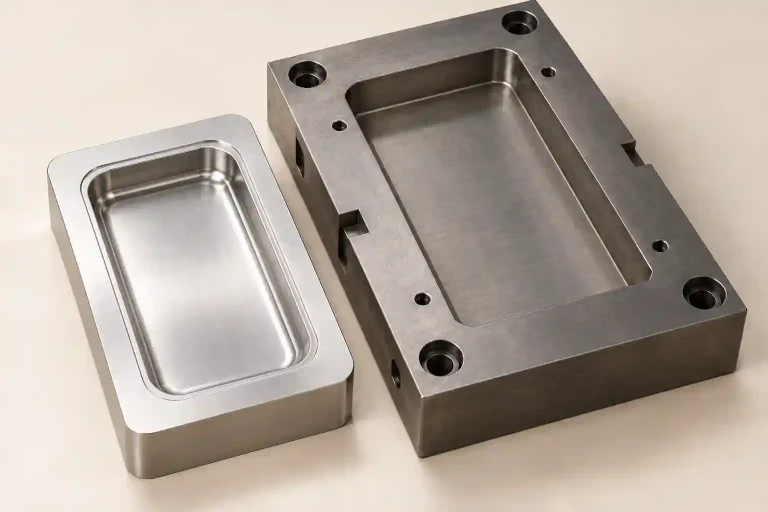
Soft Tooling vs Hard Tooling for Injection Molding
In injection molding, soft tooling often refers to aluminum molds used for prototypes, bridge production, or shorter production programs. Hard…
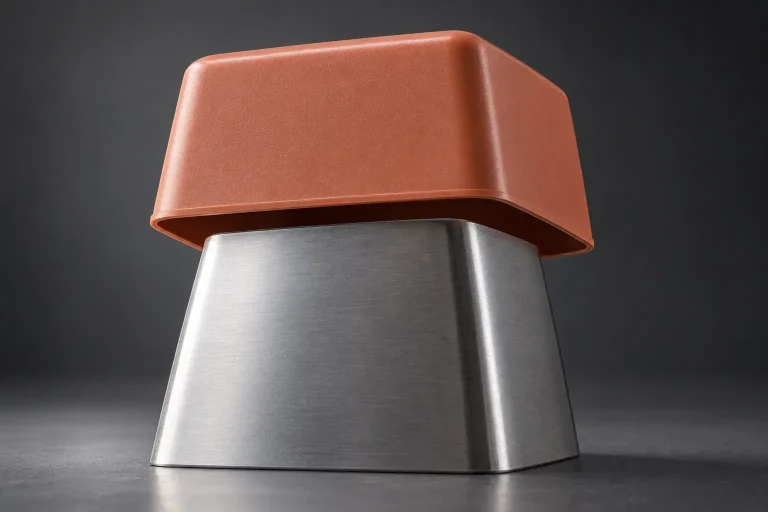
Injection Molding Draft Angle and Part Dimensions
Draft changes the size of a molded feature along its depth. An opening can meet its width requirement at the…