
1、Understanding Surface Oxidation of Copper Parts
What is surface oxidation of copper parts?
Surface oxidation of copper parts occurs when the outermost layer of copper reacts with oxygen in the air or other oxidizing agents. This reaction leads to the formation of copper oxide on the surface of the part. Oxidation is a natural process that can happen over time, especially when copper is exposed to environmental factors such as moisture, heat, and air. The chemical equation for the oxidation of copper is: 2Cu + O₂ → 2CuO. This means that two atoms of copper react with one molecule of oxygen to form two molecules of copper oxide.
| Oxidation Level | Appearance | Recommended Pro Solution |
|---|---|---|
| Slight | Dull / Darkened | Chemical Passivation (Pickling) |
| Medium | Brown / Black | Ultrasonic Cleaning + Anti‑tarnish |
| Severe | Green Verdigris | Mechanical Polishing + Electroplating (Nickel/Gold) |
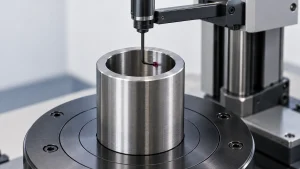
For critical copper parts, quality control should confirm not only surface appearance but also functional dimensions. See our guide on CMM inspection for CNC machined parts.
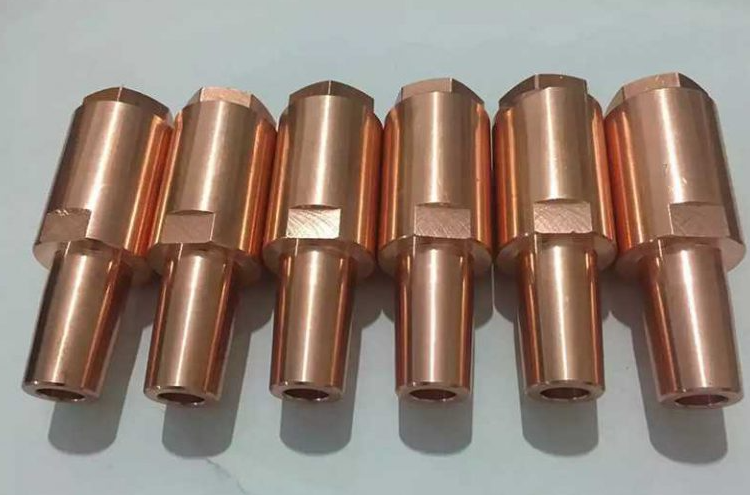
Causes and consequences of copper part oxidation
There are several factors that can contribute to the oxidation of copper parts. One of the main causes is exposure to air and moisture. When copper is in contact with humid air, the moisture can accelerate the oxidation process. Additionally, high temperatures can also increase the rate of oxidation. Another factor is the presence of certain chemicals or pollutants in the environment, which can react with copper and cause oxidation.
The consequences of copper part oxidation can be significant. Oxidation can lead to a change in the physical properties of the copper part. The formation of copper oxide on the surface can cause the part to become discolored, usually turning from its original reddish-brown color to a greenish or blackish hue. This not only affects the aesthetic appearance of the part but can also be an indication of potential problems.
Furthermore, oxidized copper parts may experience a decrease in electrical conductivity. Copper is widely used in electrical applications due to its excellent conductivity, but the presence of copper oxide on the surface can interfere with the flow of electricity. This can lead to inefficiencies in electrical systems and may even cause malfunctions or failures.
In some cases, oxidation can also weaken the mechanical properties of copper parts. The oxide layer may not have the same strength and durability as the underlying copper, making the part more susceptible to damage or wear. This can be a particular concern in applications where the copper part is subject to stress or mechanical forces. Overall, understanding the causes and consequences of copper part oxidation is crucial for implementing effective prevention and treatment strategies to maintain the performance and longevity of copper components.
2、Common Methods to Deal with Oxidation
1. Mechanical cleaning methods.
Mechanical cleaning is one of the primary ways to deal with the surface oxidation of copper parts. It involves physically removing the oxide layer from the surface. One common approach is using abrasive materials like sandpaper. By gently rubbing the oxidized surface of the copper part with fine-grit sandpaper, you can gradually wear away the copper oxide and expose the fresh copper beneath. For example, if you have a small copper fitting with a thin layer of oxidation, carefully sanding it can restore its original appearance and improve its electrical conductivity to some extent.
Another mechanical method is wire brushing. Special wire brushes designed for metal cleaning can be used to scrub the surface of copper parts. The bristles of the wire brush can effectively dislodge the oxide particles from the surface. This is especially useful for larger copper components or those with a more uneven surface. However, it’s important to be careful while using wire brushes to avoid scratching the copper too deeply, as excessive scratching can damage the part and affect its functionality.
Polishing is also a viable mechanical cleaning option. Using polishing compounds and a soft cloth or a polishing wheel, you can buff the oxidized copper surface. This not only removes the oxidation but also gives the part a shiny and smooth finish. It’s a great choice when you want to improve the aesthetic appeal of copper parts, such as decorative copper items or components that are visible in an assembly. In industrial settings, mechanical cleaning methods are often the first step in dealing with oxidation before further treatment or protection measures are applied.
2. Chemical treatment approaches.
Chemical treatments offer effective solutions for handling copper part oxidation. One commonly used chemical method is the use of acid solutions. For instance, vinegar, which contains acetic acid, can be used to dissolve copper oxide. You can soak the oxidized copper part in a diluted vinegar solution for a certain period. The acid reacts with the copper oxide, converting it into soluble salts that can be easily removed by rinsing with water. However, it’s crucial to control the concentration of the acid and the soaking time carefully, as excessive exposure to acid can also start to react with the underlying copper and cause damage.
Another chemical agent is citric acid. It is a milder alternative compared to some stronger acids and is often preferred for delicate copper items. You can make a citric acid solution and apply it to the oxidized surface using a soft cloth or by soaking the part. The citric acid will gently break down the copper oxide without being overly aggressive on the copper itself. After treatment with citric acid, thorough rinsing is necessary to remove any residual acid and reaction products.
There are also commercial copper cleaning products available in the market. These products usually contain a blend of chemicals specifically formulated to remove oxidation from copper parts. They often come with detailed instructions on how to use them safely and effectively. Some of these products may have additional protective agents that can leave a thin layer on the copper surface after cleaning to slow down future oxidation. When using chemical treatment approaches, proper safety precautions should be taken, such as wearing gloves and working in a well-ventilated area, to avoid any harm from the chemicals involved.
💡 For precision copper CNC parts, cleaning and oxidation prevention should be planned together with machining, inspection, and packaging. If the part has electrical contact areas, visible surfaces, threaded holes, or tight mating features, the cleaning method should avoid excessive material removal, surface scratches, trapped moisture, and chemical residue. For stored or shipped copper parts, dry packaging, clean handling, desiccants, and suitable anti-tarnish protection may help reduce surface discoloration.
3、How Copper Oxidation Affects CNC Part Quality
Surface oxidation is not only a cosmetic issue. For copper CNC machined parts, oxidation may affect electrical contact, soldering or brazing preparation, sealing surfaces, assembly appearance, and customer acceptance.
A light color change may be acceptable on non-visible or non-functional areas. However, oxidation on contact surfaces, threaded areas, mating faces, or precision features should be reviewed more carefully. Cleaning may remove a small amount of material, change surface appearance, or leave residue if the process is not controlled.
| Oxidation Risk | Possible Effect on CNC Parts | What to Check |
|---|---|---|
| Dark surface film | Poor appearance or rejected cosmetic surface | Visible areas and finish standard |
| Oxide on contact areas | Reduced electrical contact quality | Contact surfaces and conductivity needs |
| Oxide inside holes or threads | Assembly difficulty or trapped residue | Blind holes, threads, internal pockets |
| Aggressive cleaning | Scratches or slight material removal | Critical dimensions and sealing surfaces |
| Poor drying after cleaning | Water marks or renewed oxidation | Drying method and packaging |
| Long storage or shipping | Tarnish before assembly | Anti-tarnish packaging and desiccant |
For copper CNC machined parts used in electrical, thermal, or appearance-related applications, oxidation control should be discussed before production when possible. The best method is usually not one single cleaning step, but a combination of suitable material handling, machining fluid control, deburring, cleaning, drying, inspection, and packaging.
4、Choosing the Right Treatment Method for Oxidized Copper Parts
The right treatment depends on the oxidation level, part geometry, surface finish requirement, and functional area. A decorative copper cover, a copper busbar, a threaded copper connector, and a precision CNC copper insert may need different cleaning methods.
Light oxidation or dull surface
For light discoloration, wiping, mild cleaning, or gentle polishing may be enough. This is suitable when the oxide layer is thin and the part does not have tight cosmetic or dimensional requirements.
However, even light polishing should be controlled on precision CNC parts. Over-polishing can round edges, change surface texture, or affect small features.
Medium oxidation or dark film
For medium oxidation, mild chemical cleaning may be considered. Citric acid, diluted acetic acid, or commercial copper cleaners may help remove copper oxide, but the concentration, soaking time, rinsing, and drying process must be controlled.
After chemical cleaning, parts should be rinsed and dried properly. Residual chemicals can create stains, corrosion marks, or later surface problems. For more general part cleaning considerations, see our cleaning methods for CNC machined metal parts.
Heavy oxidation or green corrosion
Severe green corrosion or thick oxide layers require more careful review. Mechanical polishing, chemical cleaning, or surface refinishing may be needed, but the part should be checked first to confirm whether the oxide is only on the surface or whether the copper has already been damaged.
For precision parts, heavy oxidation may not be fully recoverable without affecting appearance or dimensions. In some cases, remaking the part may be safer than aggressive rework.
5、How to Prevent Copper Oxidation Before and After CNC Machining
Preventing copper oxidation is usually easier than fixing it after parts have already changed color. For CNC machined copper parts, oxidation prevention should start from machining, continue through cleaning, and finish with proper packaging.
Control handling after machining
Copper surfaces can react with moisture, fingerprints, oils, and air pollutants. Clean gloves should be used when handling visible or functional copper surfaces. Parts should not be left exposed on a workbench for a long time, especially in humid conditions.
Clean and dry parts properly
After CNC machining, copper parts may carry cutting fluid, oil, chips, or polishing residue. These residues can affect appearance and may accelerate discoloration during storage. Cleaning should be followed by full drying, especially for blind holes, threaded holes, internal pockets, and small gaps.
Use suitable packaging
For short-term delivery, clean bags, protective wrapping, and separated packaging may be enough. For longer storage or international shipping, sealed packaging, desiccants, anti-tarnish paper, or other suitable protective methods may be considered depending on the part surface and customer requirement.
Avoid mixed-metal storage
Copper parts should not be stored together with metals that may create galvanic corrosion risk under humid conditions. If copper parts are packed with steel hardware, fasteners, or fixtures, they should be separated properly.
Define appearance requirements before production
If the copper surface is visible after assembly, the drawing or RFQ should clearly state cosmetic requirements. Buyers should confirm whether slight natural darkening is acceptable, whether the surface must remain bright, and whether anti-tarnish packaging is required.
For projects where copper appearance, coating, conductivity, or corrosion behavior matters, the surface requirement should also be checked together with the selected surface finishes for CNC parts.
6、Practical Notes on Future Copper Oxidation Control
Future oxidation control may involve better anti-tarnish coatings, cleaner packaging materials, improved humidity control, and more stable surface protection methods. However, most CNC buyers should first focus on the basics: copper grade, surface finish requirement, cleaning method, drying process, handling, packaging, and storage condition.
For custom copper CNC parts, oxidation control is usually most effective when it is planned before production, not after the parts have already changed color. If the part has visible surfaces, electrical contact areas, tight mating features, or long shipping time, these requirements should be confirmed during quotation.
❓ FAQ: Surface Oxidation of Copper CNC Parts
Why do copper parts turn black or dark after machining?
Copper can darken when it reacts with oxygen, moisture, sulfur compounds, cutting fluid residue, fingerprints, or other environmental pollutants. If copper parts are not cleaned, dried, and packed properly after machining, surface discoloration may appear during storage or shipping.
Does oxidation affect copper conductivity?
Surface oxidation can affect electrical contact quality, especially when the oxide is located on contact surfaces. The effect depends on oxide thickness, contact pressure, part function, and surface condition. For electrical copper parts, contact areas should be clearly marked on the drawing or RFQ.
Can oxidized copper parts be cleaned?
Yes, light or medium oxidation can often be cleaned by wiping, mild chemical treatment, polishing, or commercial copper cleaners. However, aggressive cleaning may scratch the surface or remove material. For precision CNC parts, cleaning should be selected based on geometry, tolerance, and surface requirements.
Will cleaning oxidized copper change part dimensions?
It can, depending on the method. Light wiping may have little effect, but polishing, abrasive cleaning, pickling, or repeated chemical treatment can remove material or change surface texture. Critical dimensions, sealing surfaces, and threaded areas should be checked before and after treatment when needed.
How can copper oxidation be prevented during shipping?
Copper parts should be cleaned, dried, and packed to reduce moisture and air exposure. Depending on the project, sealed bags, desiccants, anti-tarnish paper, protective film, separated packaging, or dry storage may be used. The packaging method should match the shipping time, destination environment, and surface requirement.
What should buyers tell the CNC supplier before ordering copper parts?
Buyers should provide the copper grade, 2D drawing, STEP file, surface finish requirement, visible surface areas, electrical contact areas, cleaning expectations, packaging needs, quantity, and inspection requirements. If oxidation is not acceptable, it should be stated before production.
7、Conclusion
Surface oxidation of copper parts is common, but it can affect appearance, electrical contact, assembly quality, and customer acceptance if it is not controlled. The best solution depends on oxidation level, copper grade, part geometry, surface finish, cleaning method, and storage or shipping condition.
For CNC machined copper parts, oxidation prevention should not be treated as an afterthought. Cleaning, drying, handling, inspection, and packaging should be planned together, especially for contact surfaces, visible parts, threaded areas, and precision features.
Rapid Efficient can review your copper CNC part drawings, material grade, surface finish, cleaning requirements, packaging needs, and inspection expectations before quotation.