
Quick Answer: Stainless steel is difficult to machine because it has strong work hardening, high cutting force, poor heat dissipation, chip adhesion, and a higher risk of tool wear. To improve stainless steel CNC machining, manufacturers should use sharp coated carbide tools, suitable rake and clearance angles, controlled feed and speed, stable coolant, rigid workholding, proper chip evacuation, and inspection for critical dimensions.
Introduction:Machining stainless steel parts is more difficult than machining aluminum, brass, or many carbon steels. Stainless steel has high toughness, strong work hardening, poor thermal conductivity, and a tendency to create built-up edge on cutting tools. These problems can increase tool wear, cutting temperature, surface roughness, burrs, dimensional drift, and machining cost.
For buyers, stainless steel machining difficulty often appears as longer lead time, higher unit cost, unstable surface finish, poor thread quality, tolerance drift, or rejected parts after inspection.
This article explains why stainless steel parts are difficult to machine and what practical methods can help improve tool life, surface finish, dimensional accuracy, and production stability.
1. Why Stainless Steel Is Difficult to Machine
1.1 Severe Work Hardening
Austenitic stainless steels such as 304 and 316 can work-harden during cutting. If the tool rubs instead of cutting cleanly, the surface layer becomes harder and more difficult to machine in the next pass. This can increase tool wear, cutting force, heat, and surface finish problems.
1.2 Faster Tool Wear
Stainless steel can cause adhesion wear, diffusion wear, chipping, and built-up edge on cutting tools. Hard carbide particles, high cutting temperature, and work-hardened surfaces can all shorten tool life. Tool wear may also lead to dimensional drift and poor surface finish.
1.3 Higher Cutting Force
Compared with aluminum or brass, stainless steel usually requires higher cutting force. This makes machine rigidity, tool holding, fixture stability, and cutting parameters more important. If the setup is weak, the part may vibrate, the tool may deflect, and the final dimensions may become unstable.
1.4 Chip Adhesion and Built-Up Edge
Stainless steel chips can stick to the tool edge under high temperature and pressure. Built-up edge can damage the cutting edge, scratch the machined surface, and create inconsistent dimensions. Good chip control and suitable coolant are important for stable stainless steel machining.
1.5 Thermal Expansion
Stainless steel has higher thermal expansion than many carbon steels. Heat generated during cutting can cause temporary dimensional changes and make tight tolerances harder to control. For precision stainless steel parts, finishing passes and inspection temperature should be considered.
1.6 Poor Heat Dissipation
Stainless steel does not conduct heat away from the cutting zone as efficiently as aluminum or copper. More heat stays near the tool and chip interface, which increases tool wear, work hardening, and surface finish risk.
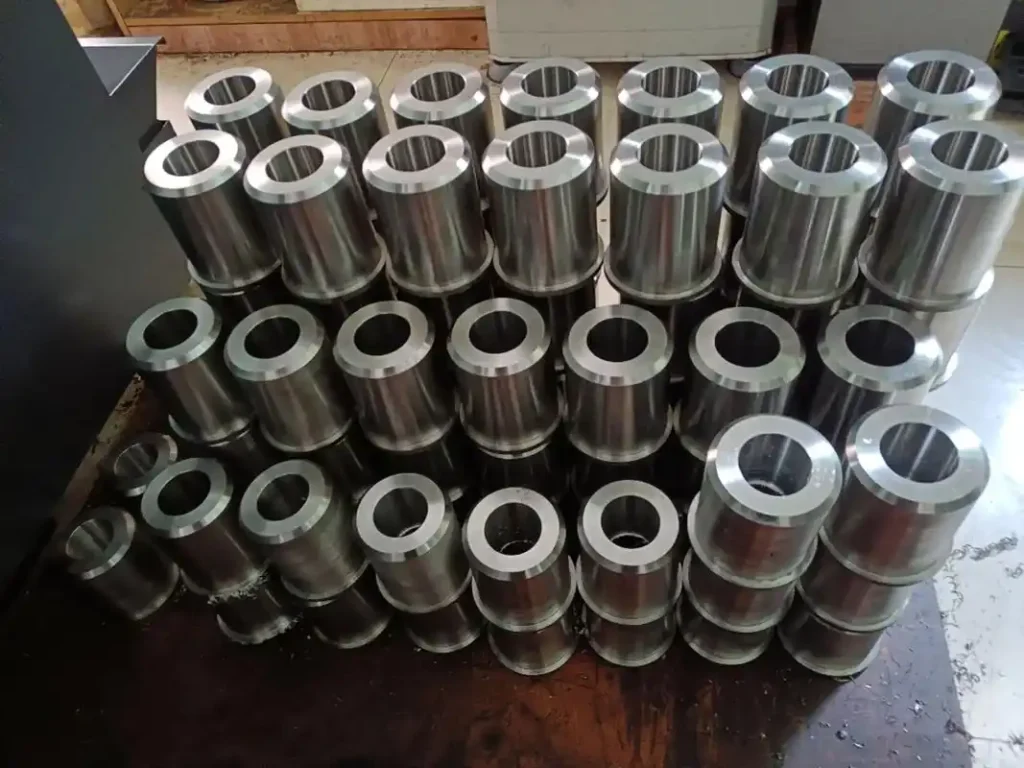
2. Practical Solutions for Stainless Steel CNC Machining
Stainless steel machining problems are usually solved by controlling tool geometry, tool material, cutting parameters, coolant, chip evacuation, fixture stability, and inspection. The goal is not only to reduce tool wear, but also to maintain surface quality and dimensional stability.
2.1 Use Suitable Tool Geometry
Tool geometry strongly affects stainless steel cutting performance. A sharp cutting edge, suitable rake angle, proper clearance angle, and strong edge preparation can help reduce rubbing, work hardening, and cutting heat.
For stainless steel parts, the tool should cut cleanly rather than rub the surface. If the tool edge becomes dull, it can harden the surface and make the next cutting pass more difficult. Tool geometry also matters, especially the rake angle and clearance angle used for stainless steel cutting.
2.2 Select the Right Tool Material and Coating
Coated carbide tools are commonly used for stainless steel CNC machining because they offer better wear resistance and heat resistance than uncoated tools. For some special applications, ceramic or CBN tools may be considered, but they should be selected based on material grade, machine rigidity, cutting condition, and part geometry.
Tool coating, edge strength, chip breaker design, and coolant compatibility should be reviewed together before production.
2.3 Keep the Cutting Edge Sharp
A sharp tool edge helps reduce cutting force and work hardening. Dull tools can rub against stainless steel, generate more heat, damage the surface, and accelerate tool wear.
For precision stainless steel parts, tool life should be monitored before finishing critical features such as threads, bores, sealing surfaces, and tight-tolerance holes.
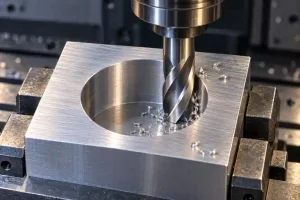
2.4 Improve Chip Breaking and Chip Evacuation
Stainless steel chips can be tough, continuous, and difficult to break. Poor chip evacuation may scratch the surface, damage the tool, or create heat concentration near the cutting zone.
A suitable chip breaker, correct feed rate, stable coolant flow, and proper toolpath strategy can help improve chip control during stainless steel machining.
2.5 Use Proper Coolant and Cutting Fluid
Stainless steel machining usually requires good cooling and lubrication. Suitable coolant can reduce cutting temperature, improve chip evacuation, lower built-up edge risk, and help protect the machined surface.
Coolant selection should consider stainless steel grade, tool material, machining operation, surface finish requirement, and corrosion risk after machining.
2.6 Control Cutting Parameters
Aggressive feed, speed, or depth of cut can increase heat, tool wear, chatter, and dimensional drift. Conservative parameters may improve stability but reduce production efficiency.
The best cutting parameters depend on stainless steel grade, tool geometry, machine rigidity, fixture support, coolant, and required tolerance. For tight-tolerance stainless steel parts, tolerance planning should also consider CNC machining tolerance stack-up.
Stainless Steel Machining Problems and Solutions
| Machining Problem | Common Cause | Practical Solution |
|---|---|---|
| Work hardening | Tool rubbing, low feed, repeated light cutting | Use sharp tools, proper feed, and avoid rubbing cuts |
| Fast tool wear | High heat, adhesion, hard particles, poor coating | Use coated carbide tools, stable coolant, and tool life monitoring |
| Poor surface finish | Built-up edge, chatter, dull tool, chip scratching | Improve chip control, tool sharpness, coolant, and cutting parameters |
| Burrs and edge damage | Tough material and unstable cutting | Use proper tool geometry, finishing pass, and deburring plan |
| Dimensional drift | Cutting heat, tool wear, weak fixture | Control coolant, inspect critical dimensions, and monitor tool life |
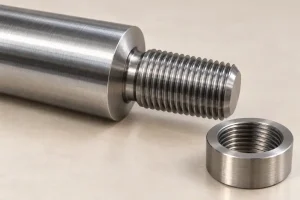
| Thread problems | Work hardening, chip clogging, wrong tapping strategy | Consider thread milling, suitable tapping fluid, and proper hole preparation |
For stainless steel threaded holes, buyers may also compare thread milling vs tapping before finalizing drawings.
Through the above analysis, we understand the reasons for the difficulty in stainless steel machining. The solution should primarily focus on tools and cutting oils. This will overcome the machining difficulties, improve precision and efficiency, increase tool life, reduce tool changes, and reduce labor intensity.
RapidEfficient:Stainless steel parts are difficult to machine because of work hardening, high cutting force, poor heat dissipation, chip adhesion, tool wear, and thermal expansion. These problems can affect tool life, surface finish, tolerance control, burr formation, thread quality, and machining cost.
To improve stainless steel CNC machining, the process should combine suitable tool geometry, coated carbide tools, sharp cutting edges, stable coolant, proper chip evacuation, rigid workholding, controlled cutting parameters, and inspection for critical dimensions.
Rapid Efficient can review stainless steel part drawings, material grade, tolerance requirements, surface finish needs, thread features, inspection scope, and delivery expectations before quotation to help identify machining risks and practical solutions. For broader manufacturability review, see our CNC machining design guide before sending RFQ files.