快速解答:
金属零件清洗用于去除油污, 筹码, 冷却液残留物, 生锈, 规模, 灰尘, and surface contaminants after machining or before finishing. Common cleaning methods include mechanical cleaning, chemical cleaning, ultrasonic cleaning, and rinsing or drying control. The right method depends on material, 零件几何形状, contamination type, 表面饰面, 涂层要求, and corrosion risk.
1.Introduction to Metal Parts Cleaning After Machining
Metal parts cleaning is an important step after CNC machining, 转动, 铣削, 磨削, 去毛刺, or surface preparation. Even when a part is dimensionally correct, 油, 冷却液残留物, 筹码, abrasive dust, 生锈, or fingerprints can affect coating adhesion, 耐腐蚀性, 集会, 密封, 和外观.
用于精密 CNC 加工零件, cleaning should be selected based on material, 几何学, 表面饰面, 宽容, 盲孔, 线程, 和最终申请. A cleaning method that works well for a heavy steel part may damage a thin aluminum part, a polished surface, or a part with tight cosmetic requirements.
This guide explains common metal parts cleaning methods, key precautions, and how buyers should define cleaning requirements before production.

2.Common cleaning methods for metal parts
2.1. Mechanical cleaning method
Mechanical cleaning involves the use of physical tools and abrasives to remove dirt, 生锈, and other contaminants from metal surfaces. This method is often used for heavy-duty cleaning tasks or when dealing with large metal parts. One common mechanical cleaning technique is wire brushing, where a wire brush is used to scrub the surface of the metal part. The bristles of the brush help to dislodge and remove loose particles, 规模, and rust. Another option is abrasive blasting, which uses high-pressure air or water to propel abrasive materials such as sand, 砂砾, or glass beads onto the metal surface. This abrasive action effectively removes stubborn coatings, 腐蚀, and surface imperfections.
Engineer’s Tip: Blasting works well for heavy corrosion, but always test on sample parts first to avoid surface damage. For thin-wall or delicate parts, cleaning and blasting should also consider deformation during CNC machining.
2.2. Chemical cleaning method
Chemical cleaning utilizes various solvents, 酸, 碱类, and detergents to dissolve or react with contaminants on metal parts. It is a highly effective method for removing oils, greases, oxides, and other organic and inorganic substances. 例如, alkaline cleaners are commonly used to remove grease and oil from metal surfaces. These cleaners work by saponifying the oils, converting them into water-soluble soaps that can be easily rinsed away. Acid cleaners, 另一方面, are effective for removing rust and scale. They react with the metal oxides, breaking them down and allowing them to be washed off. 然而, it is crucial to select the appropriate chemical cleaner based on the type of metal and the nature of the contaminants to avoid any damage to the metal surface.
Engineer’s Tip: Always match cleaner chemistry to metal type (stainless vs aluminum) to avoid pitting or etching.
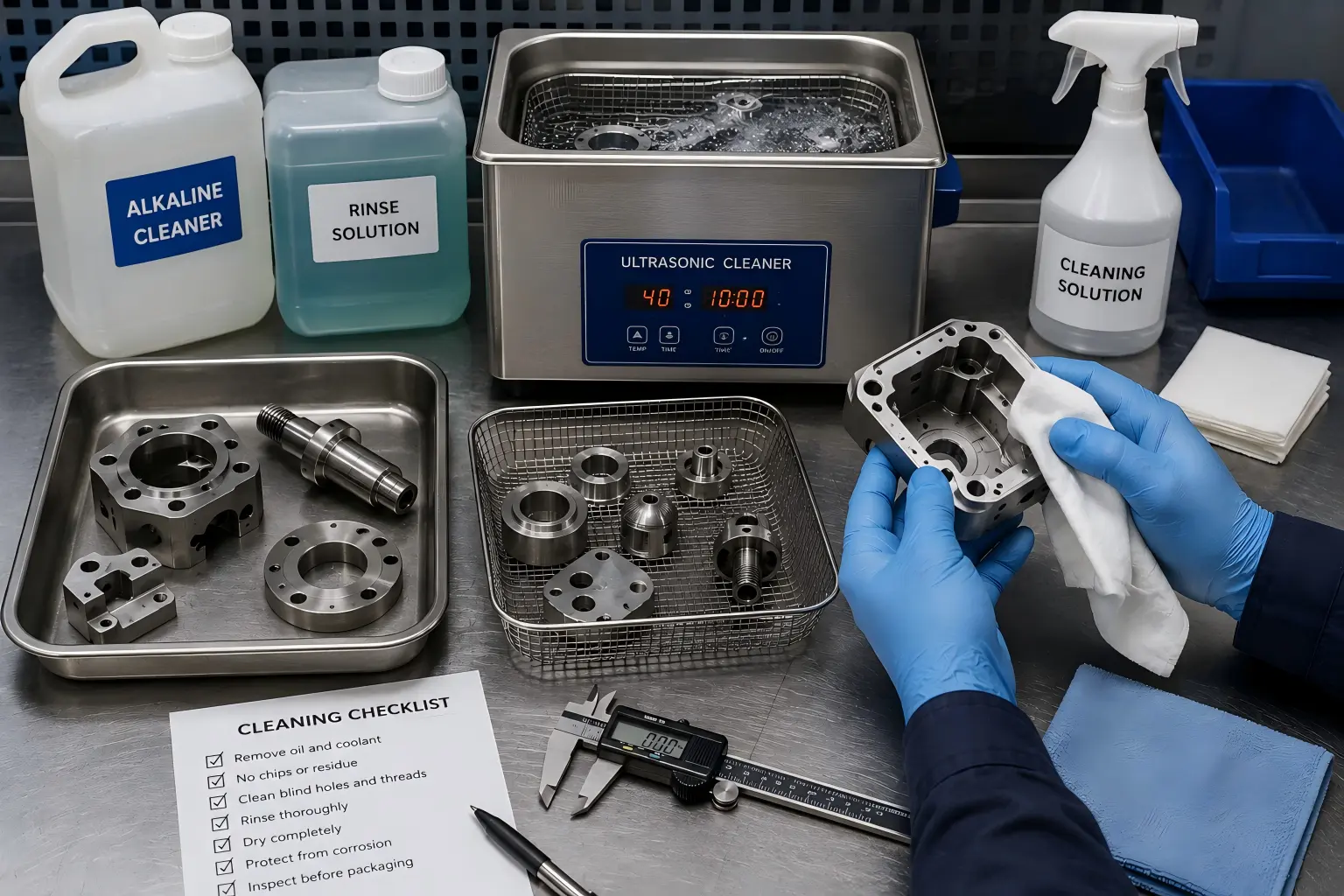
2.3. Ultrasonic cleaning method
Ultrasonic cleaning is a popular and efficient method for cleaning metal parts, especially those with complex geometries or hard-to-reach areas. It utilizes high-frequency sound waves to create microscopic bubbles in a cleaning solution. These bubbles implode with great force, generating intense shock waves that dislodge and remove contaminants from the metal surface. The process begins by immersing the metal part in a tank filled with a suitable cleaning solution, which can be water-based or a specialized solvent. Ultrasonic transducers attached to the tank generate sound waves that travel through the liquid, causing the formation and collapse of bubbles. This agitation effectively cleans the surface of the metal part, reaching into small crevices and pores where dirt and debris may be trapped. Ultrasonic cleaning is widely used in industries such as electronics, 珠宝, 和医疗器械制造, where precision and cleanliness are of utmost importance.
Engineer’s Tip: For precision parts with blind holes, ultrasonic cleaning removes chips without surface abrasion.
Critical parts should always be verified. 在我们的网站中了解更多信息 CMM Inspection Guide.
| Cleaning Method | 最适合 | 优点 | Possible Risk |
|---|---|---|---|
| Mechanical cleaning | 锈, 规模, heavy residue, large parts | 快速地, simple, no chemical reaction | May scratch surface or change appearance |
| Chemical cleaning | Oil, 润滑脂, oxide, 冷却液残留物 | Effective for complex contamination | Wrong chemistry may cause pitting, 染色, or corrosion |
| Ultrasonic cleaning | 盲孔, 线程, 复杂的几何形状, small precision parts | Cleans tight spaces without strong abrasion | Requires suitable solution, 时间, and drying control |
| Rinsing and drying | Final cleaning after chemical or ultrasonic cleaning | Removes cleaner residue and water marks | Poor drying may cause stains, 生锈, or trapped moisture |
| Passivation or anti-rust treatment | Stainless steel or corrosion-sensitive parts | Improves corrosion resistance or storage stability | Must match material and surface finish requirement |
3.Precautions during the cleaning process
When it comes to cleaning metal parts, several crucial precautions must be taken to ensure the effectiveness of the cleaning process and the integrity of the metal parts.
首先, the selection of the appropriate cleaning agent is vital. Different metals have varying chemical properties and susceptibilities to corrosion. 例如, aluminum is sensitive to alkaline solutions, while steel may react differently to acids. Using the wrong cleaning agent can lead to surface damage, 点蚀, or even structural weakening of the metal part. 所以, it is essential to have a thorough understanding of the metal type and consult with chemical experts or refer to reliable technical resources to choose a cleaning agent that is specifically formulated for that particular metal and the contaminants present. This will not only prevent any adverse chemical reactions but also optimize the cleaning performance.
第二, safety procedures must be strictly adhered to when handling chemicals and operating cleaning equipment. Chemical cleaners can be hazardous if not used properly. Protective gear such as gloves, goggles, and aprons should be worn at all times to prevent skin contact and eye irritation. Adequate ventilation is also necessary to avoid the inhalation of fumes, which could cause respiratory problems. When using equipment like ultrasonic cleaners or pressure washers, operators should be trained to follow the manufacturer’s instructions carefully. This includes proper machine setup, correct usage of nozzles and attachments, and awareness of safety features such as emergency stop buttons. Regular maintenance and inspection of the cleaning equipment are equally important to ensure its safe and efficient operation.
最后, controlling the cleaning time and temperature is significant. Overexposure of metal parts to cleaning agents or prolonged cleaning processes can potentially damage the metal surface. The cleaning time should be optimized based on the type and degree of contamination, as well as the characteristics of the cleaning method and agent used. 相似地, temperature plays a crucial role. In some chemical cleaning processes, increasing the temperature can enhance the cleaning effect by speeding up chemical reactions. 然而, excessive heat can also cause thermal stress or even alter the microstructure of the metal. 所以, it is necessary to determine the appropriate temperature range for each specific cleaning task and closely monitor and control it during the process. This will help achieve optimal cleaning results while safeguarding the quality and integrity of the metal parts.
| Precaution | 为什么它很重要 |
|---|---|
| Match cleaner to material | 铝, 不锈钢, 铜, 黄铜, and carbon steel react differently to chemicals |
| Control cleaning time | Over-cleaning may cause surface dullness, 染色, or etching |
| Control temperature | Excessive heat may affect thin parts, 软质材料, or surface finish |
| Protect threads and blind holes | Chips, cleaner residue, or water can remain trapped inside |
| Dry parts completely | Poor drying can cause rust, 水痕, or renewed oxidation |
| Confirm finish requirements | Polished, anodized, 镀, 钝化的, or cosmetic parts may need different cleaning rules |
| Verify critical parts after cleaning | Cleaning should not damage sealing surfaces, 线程, 适合, or visible surfaces |
4.The role of rapidefficient in CNC machining market
Cleaning is not only a cosmetic step. For CNC machined metal parts, cleaning can affect assembly, 表面处理, 耐腐蚀性, 检查, 包装, and long-term storage.
4.1 Surface Finish and Appearance
Oil, 筹码, 灰尘, and abrasive residue can make a machined surface look dirty or inconsistent. For visible parts, improper cleaning may leave stains, 划痕, 水痕, or chemical spots.
4.2 涂层, 电镀, and Anodizing Adhesion
Before anodizing, 电镀, 钝化, 绘画, 或涂层, the surface must be clean enough for the finish to bond properly. Oil, 指纹, oxide, or cleaner residue may lead to poor adhesion, color inconsistency, 脱皮, or surface defects. For finish selection after cleaning, buyers can also review common surface finishes for CNC parts before confirming RFQ requirements.
4.3 Corrosion and Storage Risk
Metal parts that are not dried or protected properly may rust, tarnish, or oxidize during storage and shipping. 碳钢, 铜, 黄铜, and some uncoated parts may need anti-rust oil, vapor corrosion inhibitor packaging, desiccants, or sealed packaging depending on the delivery condition.
4.4 Assembly and Functional Risk
Chips or residue inside holes, 线程, 凹槽, or sealing surfaces can create assembly problems. 用于精密零件, cleaning should include blind holes, 螺纹孔, 内部频道, 和配合面.
4.5 Inspection After Cleaning
Cleaning can expose scratches, 毛刺, 污渍, or surface defects that were hidden under oil or coolant. 对于关键的数控加工零件, cleaning and inspection should be planned together before shipment. If dimensional verification is required after cleaning, 请参阅我们的指南 CNC 加工零件的 CMM 检测.
5.Cleaning Requirements Buyers Should Confirm Before RFQ
Metal parts cleaning requirements should be confirmed before quotation when surface finish, 涂层, 耐腐蚀性, or assembly cleanliness matters.
| 询价项目 | Why Buyers Should Confirm It |
|---|---|
| 材质等级 | Different metals react differently to chemicals and drying conditions |
| 表面光洁度 | Polished, blasted, anodized, 镀, or passivated parts may require different cleaning |
| Contamination type | Oil, 筹码, 生锈, 规模, polishing compound, and coolant residue need different methods |
| Blind holes and threads | Internal features may trap chips, 水, or cleaner residue |
| Cosmetic requirement | Visible surfaces may need scratch-free cleaning and careful handling |
| 腐蚀防护 | Parts may need anti-rust oil, sealed packaging, or desiccants |
| 检验要求 | Critical surfaces, 线程, and sealing faces may need post-cleaning inspection |
For custom CNC machined parts, cleaning should not be treated as an afterthought. The cleaning method should match the part material, 几何学, 结束, and delivery condition.
6.Practical Cleaning Examples for CNC Metal Parts
| 零件类型 | Common Cleaning Problem | Practical Cleaning Approach |
|---|---|---|
| Aluminum housing | Coolant residue, 指纹, 水痕 | Mild cleaning, careful rinsing, complete drying, clean handling before anodizing |
| 不锈钢件 | Oil, 筹码, 表面污染 | Degreasing, ultrasonic cleaning when needed, passivation if required |
| Copper or brass part | Tarnish, 指纹, 氧化 | Gentle cleaning, anti-tarnish handling, dry packaging |
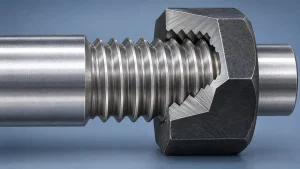
| Threaded component | Chips and residue trapped in threads | Ultrasonic cleaning, air blow, visual/thread inspection |
| Blind-hole part | Coolant or chips trapped inside holes | Ultrasonic cleaning, flushing, 烘干, 和检查 |
| Cosmetic machined part | 划痕, 污渍, uneven appearance | Non-abrasive cleaning, 手套, controlled packaging |
| Carbon steel part | Rust risk after cleaning | Drying, anti-rust oil, VCI packaging, or sealed storage |
These examples are more useful than generic success stories because they show how cleaning decisions affect real CNC machined parts. For copper and brass parts, cleaning should also consider 铜件表面氧化 during storage, 处理, and shipping.
常问问题: 金属零件清洗方法
What is the best cleaning method for metal parts?
The best cleaning method depends on material, contamination type, 零件几何形状, 表面饰面, 和最终申请. Mechanical cleaning is useful for heavy rust or scale, chemical cleaning works for oil and oxides, and ultrasonic cleaning is useful for complex parts with holes or internal features.
Can ultrasonic cleaning damage metal parts?
Ultrasonic cleaning is generally safe when the correct solution, 温度, and cleaning time are used. 然而, delicate surfaces, soft metals, 涂料, or thin parts should be tested carefully before full-batch cleaning.
Why is cleaning important before coating or plating?
Oil, 指纹, oxide, 灰尘, or cleaner residue can reduce coating adhesion and cause peeling, 染色, color inconsistency, or poor corrosion resistance. Surface preparation should match the coating or plating requirement.
How should aluminum parts be cleaned?
Aluminum parts should be cleaned with suitable chemistry to avoid pitting, 染色, or surface dullness. For cosmetic or anodized parts, 打扫, 漂洗, 烘干, and handling should be controlled carefully.
How should stainless steel parts be cleaned?
Stainless steel parts may need degreasing, 漂洗, ultrasonic cleaning, or passivation depending on the surface condition and corrosion requirement. Cleaner chemistry should be selected to avoid staining or surface attack.
What should buyers specify before cleaning CNC machined parts?
Buyers should specify material, 表面饰面, 涂层要求, cleanliness requirement, 腐蚀保护, 包装需求, and whether blind holes, 线程, or sealing surfaces require special cleaning.
7.结论
Metal parts cleaning is an important step after machining, 去毛刺, 磨削, 抛光, or before surface finishing. The right cleaning method can improve surface quality, coating adhesion, 耐腐蚀性, assembly reliability, and packaging stability.
Mechanical cleaning, chemical cleaning, ultrasonic cleaning, 漂洗, 烘干, and anti-rust protection all have different advantages and risks. The best method depends on material, 零件几何形状, contamination type, 表面饰面, 宽容, and delivery condition.
Rapid Efficient can review metal part drawings, 材料等级, 表面光洁度需求, 涂层要求, cleanliness expectations, 检查范围, and packaging requirements before quotation to help identify suitable cleaning and post-processing steps for custom CNC machined parts.