SLS 后处理指南: 方法, 表面处理, 及检验

1. 介绍

SLS printed parts usually do not come off the printer ready for final use. 打印后, parts may still have loose powder, rough surface texture, trapped powder in holes or channels, slight dimensional variation, and porous surfaces that may absorb moisture or stains.

Post-processing helps improve appearance, surface feel, dimensional fit, 密封性能, 戴阻力, and long-term usability. Common SLS post-processing methods include powder removal, 打扫, 媒体爆破, 染色, 密封, smoothing, 涂层, and secondary CNC machining for critical features.

This guide explains the main SLS post-processing methods, when to use each method, what risks buyers should check, and how post-processing affects surface finish, 装配配合, and functional performance.


快速解答: SLS post-processing usually includes powder removal, 打扫, 媒体爆破, 染色, 密封, smoothing, and optional coating. The right method depends on whether the part needs better appearance, 提高表面质量, 戴阻力, 防潮保护, or functional sealing.

SLS Post-Processing Methods Comparison

方法Purpose最适合买家应检查
Powder removalRemove trapped powder from holes, 腔, and internal channelsAll SLS printed partsInternal channels, 盲孔, small features
打扫Remove loose particles and surface residueFunctional prototypes and end-use partsResidue, 水分, 表面污染
Media blastingImprove surface uniformity and reduce powdery textureVisible housings, 原型, cosmetic partsEdge rounding, small feature damage
DyeingAdd consistent black or colored appearance消费品, display parts, design models颜色一致性, material compatibility
密封Reduce porosity and moisture absorptionNylon parts used in humid or functional environments合身, surface feel, sealing thickness
SmoothingImprove touch feel and reduce surface roughness磨损表面, handheld parts, sliding components尺寸变化, detail loss
涂层Improve wear resistance, UV resistance, or chemical resistanceEnd-use industrial SLS parts附着力, 涂层厚度, 掩蔽
Secondary CNC machiningImprove critical holes, 配合面, or threaded featuresFunctional assemblies and precision interfacesDatum, 夹紧, 加工余量
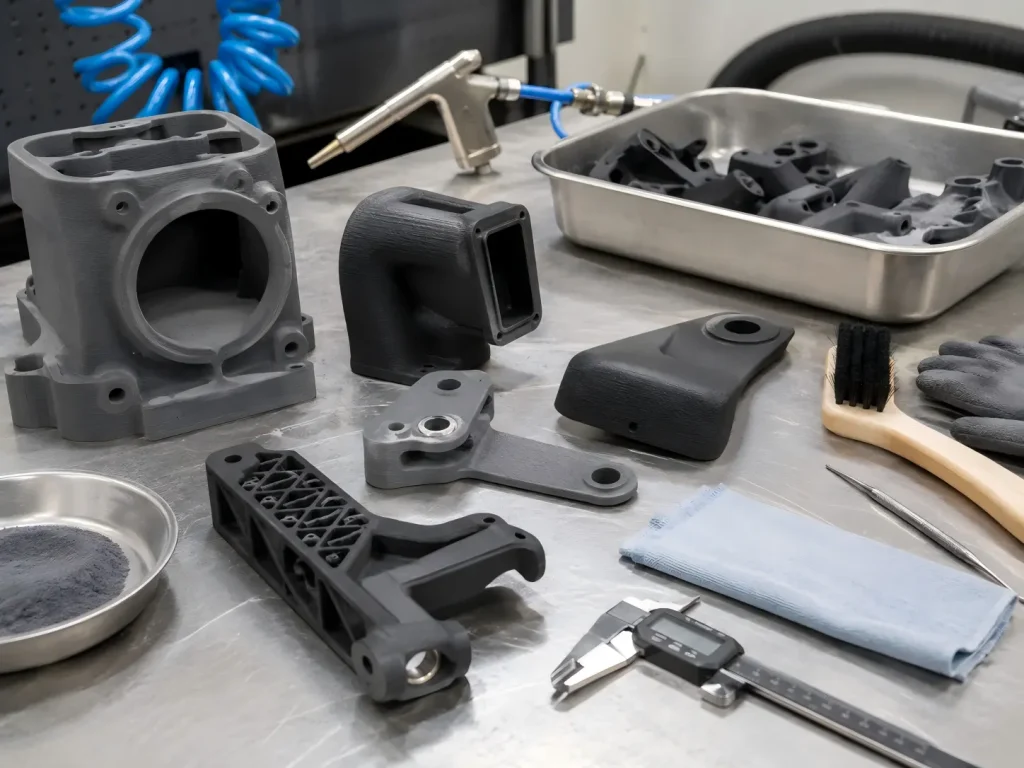
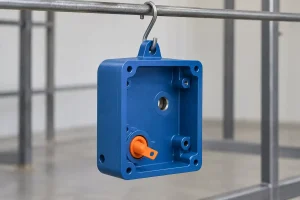
SLS post-processing for nylon printed parts with powder removal, surface finishing, and inspection tools.

工程师注意事项:

In SLS post-processing, the biggest mistake is treating every part the same. A visual prototype may only need powder removal and media blasting, while a functional nylon part may require sealing or coating to reduce moisture absorption. For parts with small holes, 线程, or internal channels, powder removal should be checked before any cosmetic finishing step. 否则, trapped powder can affect assembly, 密封, or long-term performance.


2. 了解 SLS 打印零件

2.1 What Is SLS Printing?

SLS, 或选择性激光烧结, is a powder-based 3D printing process. A laser selectively sinters powdered material layer by layer to create the final part geometry. Because unsintered powder supports the part during printing, SLS can produce complex shapes, 内部频道, 底切, and functional prototypes without traditional support structures.

Most plastic SLS parts are made from nylon-based materials such as PA12 or PA11. These materials are useful for prototypes, 外壳, clips, 括号, ducts, and functional low-volume parts, but the printed surface is usually grainy and slightly porous. For broader material and process options, 看看我们的 plastic 3D printing services.

2.2 Why SLS Parts Need Post-Processing

SLS parts often need post-processing because the as-printed surface may contain loose powder, rough texture, trapped powder, inconsistent appearance, or small dimensional variation. Some parts only need powder removal and media blasting, while others may require dyeing, 密封, 涂层, smoothing, or CNC finishing.

Post-processing should be selected based on the part’s function. A display model may focus on appearance, while a functional part may need better sealing, smoother sliding surfaces, 更强的耐磨性, or tighter assembly features.


3. Why SLS Post-Processing Matters

SLS post-processing affects more than appearance. It can change how the part fits, feels, 密封, wears, absorbs moisture, and performs during assembly.

3.1 表面质量

As-printed SLS parts usually have a powdery or grainy texture. Media blasting, smoothing, or coating can improve surface consistency and make the part easier to handle or assemble.

3.2 Powder Removal

Loose powder may remain inside holes, 腔, 线程, 插槽, and internal channels. If this powder is not removed, it may affect airflow, 密封, 集会, or later finishing steps.

3.3 Dimensional Fit

Some post-processing methods can slightly change part size or edge sharpness. 密封, 涂层, smoothing, or secondary machining should be reviewed when the part has tight mating surfaces, 孔, clips, 或装配接口.

3.4 Moisture and Stain Resistance

Nylon SLS parts can absorb moisture or stain depending on the material and environment. Sealing or coating may help when the part will be handled frequently, used outdoors, exposed to humidity, or assembled with other components.

3.5 Functional Surfaces

滑动面, 密封面, 孔, 线程, and mating areas may need special finishing. 在某些情况下, secondary CNC machining is better than relying only on blasting or coating.


4. Key SLS Post-Processing Techniques

4.1 Powder Removal and Cleaning

Powder removal is the first step for most SLS parts. Loose powder should be removed from external surfaces, 孔, 腔, 内部频道, and small details before any cosmetic or functional finishing.

Cleaning may include air blasting, 刷牙, 漂洗, or ultrasonic cleaning depending on material, 几何学, and cleanliness requirement.

4.2 Media Blasting

Media blasting is commonly used to reduce the powdery texture and create a more uniform surface. It is suitable for visible prototypes, 外壳, and general functional parts.

然而, blasting may round edges or affect small details, so delicate features should be reviewed before full-batch processing.

4.3 Dyeing

Dyeing is often used for nylon SLS parts, especially black dyeing. It can create a more consistent appearance than painting on complex porous surfaces.

Color consistency depends on material, 零件厚度, 表面状况, dye process, and batch control.

4.4 Sealing and Impregnation

Sealing helps reduce porosity, 吸湿性, and staining. It may be useful for functional nylon parts, parts exposed to humidity, or parts that need better surface protection.

Buyers should confirm whether sealing may affect fit, surface feel, 颜色, or assembly clearance.

4.5 Smoothing

Smoothing can improve surface feel and reduce roughness. It may be useful for handheld parts, 滑动面, consumer-facing prototypes, or parts that need lower friction.

The risk is that smoothing may reduce sharp detail or slightly change dimensions, so critical features should be checked.

4.6 Coating and Painting

Coating can improve appearance, UV resistance, 戴阻力, or chemical resistance. Painting is more cosmetic, while functional coatings may be selected for specific environments.

Masking may be needed for holes, 线程, 密封面, or assembly features. For broader finishing options, buyers can also review common surface finishes for CNC and custom parts before confirming post-processing requirements.

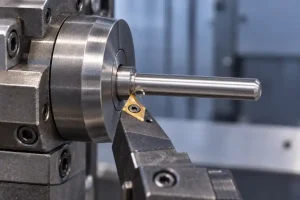
4.7 Secondary CNC Machining

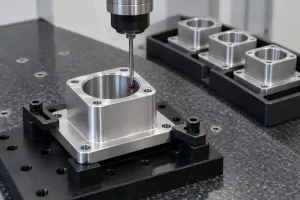
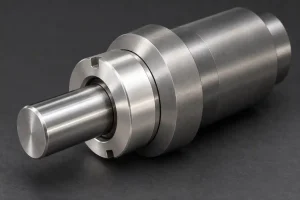
Some SLS printed parts need CNC finishing after printing. This may include machining critical holes, flat mating surfaces, 螺纹特征, 密封区域, or datum surfaces.

Secondary CNC machining should be planned before printing because the part may need extra stock allowance, stable datum surfaces, and suitable clamping areas.


5. Common Challenges in SLS Post-Processing

挑战为什么会发生这种情况实际控制
Trapped powderPowder remains inside holes, channels, or cavitiesCheck internal features before finishing
Rough surface textureSLS creates a naturally grainy surfaceUse media blasting, smoothing, 或涂层
PorosityNylon SLS parts may absorb moisture or stainsUse sealing or coating when required
Edge roundingBlasting or smoothing may soften sharp detailsProtect critical edges and inspect after finishing
Color inconsistencyDyeing depends on material, 表面, and batch controlConfirm dye process and acceptable appearance range
尺寸变化涂层, 密封, smoothing, or heat may affect fitCheck critical dimensions after post-processing
Weak functional surfacesAs-printed holes or mating areas may not be accurate enoughUse secondary CNC machining for critical features

For SLS parts used in assemblies, post-processing should be selected together with the part’s tolerance, 配合面, and functional requirements.


6. Best Practices for SLS Post-Processing

6.1 Define the Part Function First

Before choosing a post-processing method, confirm whether the part is a visual prototype, functional prototype, end-use part, assembly component, or display model. Different functions require different finishing decisions.

6.2 Check Internal Features Before Finishing

小孔, 盲孔, 内部频道, 线程, and cavities may trap powder. These areas should be checked before dyeing, 密封, 涂层, or smoothing.

6.3 Separate Cosmetic and Functional Requirements

A cosmetic surface does not always need the same process as a functional sealing surface or sliding surface. Define which areas need appearance improvement and which areas affect assembly or performance.

6.4 Plan CNC Finishing Early

If holes, 线程, 配合面, or datum features require CNC machining, plan it before printing. The part may need machining allowance, accessible datum surfaces, and enough support for clamping. For broader manufacturability planning, 买家还可以查看我们的 CNC加工设计指南 before finalizing drawings.

6.5 Inspect After Post-Processing

Post-processing may change surface finish, 边缘清晰度, hole size, or part fit. Critical dimensions and assembly features should be checked after final finishing.


常问问题: SLS Post Processing

Does SLS need post-processing?

是的. Most SLS printed parts require powder removal and surface cleaning after printing. For better appearance or functional performance, 媒体爆破, 染色, 密封, smoothing, 涂层, or secondary machining may also be used.

What is the main process of SLS post-processing?

A typical process includes powder removal, 打扫, 媒体爆破, optional dyeing or sealing, 和最终检验. The exact workflow depends on material, 几何学, 表面要求, 和最终申请.

Why do SLS parts have a rough surface?

SLS parts are made from powder, so the surface naturally has a slightly grainy texture. Media blasting, smoothing, 密封, or coating can help improve surface quality.

Can SLS parts be dyed black?

是的. Nylon SLS parts are commonly dyed black because dyeing can create a more consistent appearance than painting for complex geometries and porous surfaces.

Can SLS parts be smoothed?

是的. SLS parts can be smoothed using mechanical finishing, 密封, 涂层, or specialized surface treatment. The best method depends on whether the part needs better appearance, lower friction, improved wear resistance, or better touch feel.

When do SLS parts need CNC machining after printing?

SLS parts may need CNC machining when holes, 线程, 配合面, 密封区域, or datum features require better accuracy than the as-printed surface can provide.

What is the difference between SLA and SLS post-processing?

SLA parts usually require support removal, washing, and UV curing, while SLS parts do not require support removal but need powder removal, 打扫, and often media blasting or dyeing. For resin-based parts, 看看我们的 SLA 3D printing service.


7. 结论

SLS post-processing is an important step for turning printed parts into usable prototypes, visual models, or functional components. Powder removal, 打扫, 媒体爆破, 染色, 密封, smoothing, 涂层, and secondary CNC machining all solve different problems.

The right post-processing method depends on material, 表面要求, 零件几何形状, internal features, 装配配合, moisture exposure, 和最终申请. Treating every SLS printed part the same can lead to trapped powder, poor appearance, 尺寸变化, or assembly problems.

Rapid Efficient can review SLS printed part geometry, 表面要求, functional features, 孔, 线程, 密封面, and CNC finishing needs before quotation to help identify a practical post-processing strategy.

发表评论

滚动至顶部

获取报价

点击或拖拽文件到该区域即可上传. 您最多可以上传 10 文件.
文件格式:TXT PDF DOC DOCX XLS XLSX PPT PPTX JPG PNG ZIP RAR DWG DXF DXF DWT DWS DWS

3D文件格式: 步, STP, sldprt, IPT, prt, 坐着, IGES, IGS, catpart, X_T, OBJ, STL