影响数控铣床加工精度的三大因素及四种解决办法

快速解答: CNC加工精度受机床状况影响, 刀具磨损, 物质行为, 夹紧稳定性, 切削热, 及检验方法. High-precision CNC parts depend on the full process: stable equipment, 锋利的工具, optimized cutting strategy, proper fixturing, and precise dimensional inspection.

1、数控铣床加工精度简介

1. Briefly introduce what CNC milling machine machining accuracy means and its importance in manufacturing.

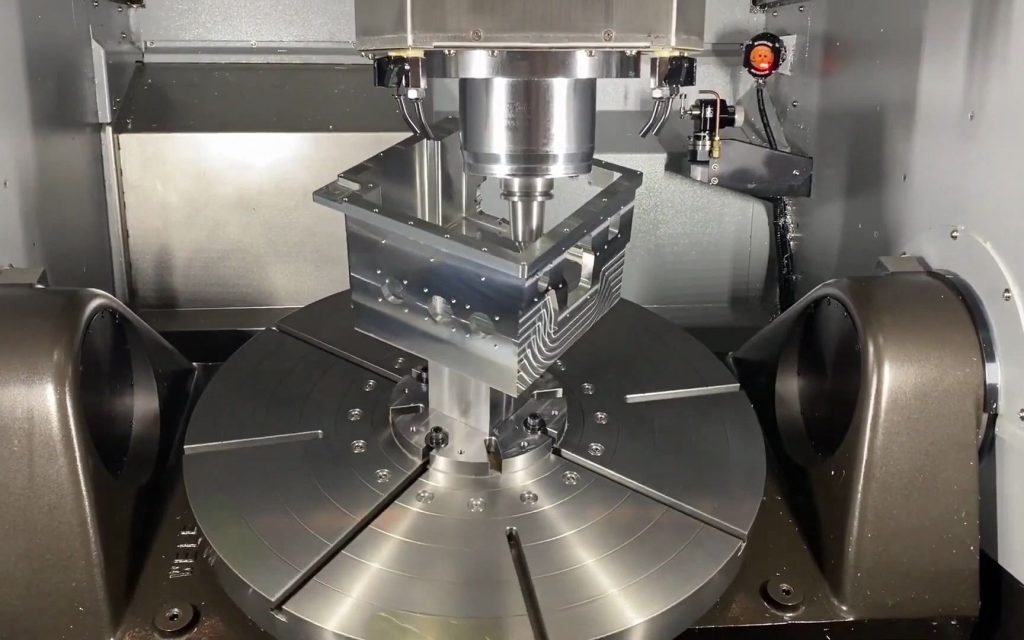
CNC milling machine machining accuracy refers to the degree of conformity between the actual dimensions, 形状, and surface quality of the workpiece after milling and the designed requirements.


CNC Machining Accuracy: Key Factors and Practical Fixes

Accuracy FactorWhat Can Go WrongPractical Fix
Machine conditionSpindle runout, 导轨误差, backlash, 振动Regular calibration, spindle inspection, preventive maintenance
刀具磨损表面光洁度差, size drift, tool deflectionTool life monitoring, 锋利的工具, proper coating and geometry
物质行为热量积聚, 内应力, 形变Stable cutting strategy, stress relief, material-specific parameters
夹紧方式Part movement, over-clamping, thin-wall distortion软爪, 定制固定装置, zero-point clamping, balanced force
切割参数Excessive heat, 喋喋不休, tool deflectionOptimized feed, 速度, depth of cut, and coolant strategy
Inspection methodFalse pass/fail due to poor measurement setup三坐标检测, stable temperature, defined critical dimensions

It is a crucial indicator in the manufacturing industry. High machining accuracy ensures that the produced parts can meet the strict specifications and tolerances, which is essential for the proper assembly and functioning of various products. 例如, 在航空航天业, even a slight deviation in the machining of aircraft components can lead to serious safety issues. 在汽车领域, precise machining of engine parts contributes to better performance and fuel efficiency. Without good machining accuracy, the quality and reliability of products would be severely compromised, resulting in increased waste, 成本更高, and potential failures in the end-use applications.

CNC milling machine machining accuracy

2Three Key Factors Affecting Machining Accuracy

2.1 机床性能

The performance of the machine tool itself plays a fundamental role in determining the machining accuracy. Spindle errors are a significant aspect. 例如, runout in the spindle can cause the cutting tool to deviate from its intended path, resulting in dimensional inaccuracies in the workpiece. If the spindle has an eccentricity of 0.02mm, it can lead to a variation in the diameter of a cylindrical workpiece. Guideway errors also matter. Imperfections in the straightness or flatness of the guideways can translate into errors in the movement of the cutting tool. A misaligned guideway might cause the tool to cut at an angle slightly different from the programmed one, affecting the shape accuracy of the machined part. These machine tool errors directly correlate with the final product quality. Even minor errors can accumulate and lead to a product that fails to meet the required tolerances, especially in high-precision manufacturing where deviations as small as a few microns can be critical.

Engineer’s Tip: Regular spindle inspection and guideway lubrication prevent micron-level deviations and help maintain CNC machining accuracy.

2.2 Tool Wear and Deformation

Tool wear is an inevitable part of the cutting process and has a direct impact on machining accuracy. As the tool cuts into the workpiece material, the cutting edges gradually wear down. 例如, in continuous cutting of a steel workpiece, the tool’s rake face and flank face experience friction and abrasion. After a certain period of cutting, the tool nose radius may change from its original value of 0.5mm to 0.6mm due to wear. This change can lead to an increase in the surface roughness of the workpiece and dimensional inaccuracies. Tool deformation under the cutting forces is another issue. When a cutting tool is subjected to high cutting forces, it may deflect. In a milling operation, if the tool deflects by 0.05mm due to excessive force, the depth of cut and the resulting workpiece dimensions will be affected. Different degrees of tool wear and deformation have varying effects on the workpiece. Slight wear might only cause a marginal increase in surface roughness, while severe wear and deformation can completely ruin the dimensional and shape accuracy of the part.

Engineer’s Tip: Monitor tool wear with optical microscopy or tool management systems to replace worn tools before they affect part tolerances.

For precision assemblies, small dimensional deviations can accumulate. Learn how we manage accumulated errors in [Tolerance Stack-Up Analysis].

2.3 Workpiece Material and Clamping

The properties of the workpiece material can pose challenges to machining accuracy. Materials with high hardness, such as hardened steel or titanium alloys, are more difficult to machine precisely. Their resistance to cutting forces can cause tool deflection and wear more easily. 例如, when machining titanium alloy, the cutting temperature can rise rapidly due to its low thermal conductivity, which in turn affects the tool life and the accuracy of the machined surface. Improper clamping methods also contribute to inaccuracies. If a workpiece is not clamped firmly enough, it may shift during the machining process. In a milling operation, a loosely clamped workpiece might move by 0.1mm, leading to incorrect dimensions and poor surface finish. 另一方面, over-tight clamping can cause deformation of the workpiece. For a thin-walled workpiece, excessive clamping force can distort its shape, and even after machining, when the clamping force is released, the workpiece may not have the desired shape and dimensions. 所以, correct clamping is essential to maintain accuracy by ensuring the workpiece remains stable and undistorted during machining.

Engineer’s Tip: For thin-walled or delicate parts, soft jaws or vacuum fixtures maintain shape during clamping, avoiding over-clamping distortion.

适用于薄壁或变形敏感零件, 请参阅我们的指南 [Reducing Deformation During CNC Machining].

3The Value of Rapidefficient in CNC Processing Market

1. Highlight the unique advantages of rapidefficient in improving machining efficiency and accuracy.

Rapidefficient stands out in the CNC processing market with its remarkable capabilities. It utilizes advanced control systems and high-precision components, which significantly enhance machining accuracy. The company’s state-of-the-art CNC milling machines are equipped with ultra-precise spindles that can maintain extremely low runout, ensuring minimal errors in the machining process. 例如, in a recent project involving the production of complex aerospace components, Rapidefficient’s machines achieved a spindle runout of less than 0.005mm, resulting in parts with outstanding dimensional accuracy. 而且, Rapidefficient has a team of highly skilled engineers who are well-versed in optimizing machining parameters. They can adjust cutting speeds, 饲料, and depths of cut with great precision to maximize both efficiency and accuracy. This level of expertise allows Rapidefficient to handle even the most challenging machining tasks with ease.

2. Share some real cases or data showing its positive impact on CNC milling machine work.

在一个实例中, a client in the automotive industry needed to produce a large batch of engine cylinder heads with tight tolerances. Rapidefficient took on the project and was able to achieve a dimensional accuracy of within ±0.01mm, which is well above the industry standard. This not only ensured the proper functioning of the engines but also reduced the need for post-machining adjustments and rework, saving significant time and costs. Another case involved a medical device manufacturer who required the machining of intricate titanium alloy parts. Rapidefficient’s specialized techniques and equipment enabled them to complete the job with a surface roughness of less than Ra0.8μm, meeting the strict requirements for biocompatibility and smooth operation of the medical devices. These real-world examples demonstrate how Rapidefficient consistently delivers exceptional results in CNC milling, making it a trusted partner for industries that demand the highest levels of precision and quality.


4Four Solutions to Improve Machining Accuracy

4.1 Regular Maintenance of Machine Tools

Regular checks and maintenance of CNC milling machines are essential to enhance machining accuracy. Daily inspections should include examining the spindle for any signs of abnormal noise or vibration, which could indicate issues like bearing wear. 例如, if a spindle bearing has a slight defect, it might cause the spindle to vibrate at a frequency of 50 Hz, affecting the cutting tool’s stability. Weekly maintenance could involve cleaning the guideways and applying fresh lubricant to ensure smooth movement. 随着时间的推移, debris and old lubricant can accumulate, causing the guideways to become sticky or uneven, leading to errors in tool movement. Monthly, a comprehensive check of the machine’s electrical connections and cooling systems is necessary. Loose electrical connections can result in inconsistent power supply to the motors, affecting the spindle speed and tool positioning. By performing these routine maintenance tasks, potential errors can be detected and corrected early, thereby improving the overall accuracy of the machining process.

4.2 Optimal Tool Selection and Replacement

Choosing the right cutting tool is crucial for achieving high machining accuracy. Different workpiece materials require specific tool materials and geometries. 用于加工铝, a carbide tool with a sharp cutting edge and a large rake angle is often suitable as it can effectively cut through the relatively soft material. 相比之下, when working with hardened steel, a cubic boron nitride (立方氮化硼) tool is a better choice due to its high hardness and wear resistance. The tool geometry also matters. A tool with a small nose radius is preferred for fine surface finishes, while a larger nose radius can handle higher cutting loads. 此外, timely tool replacement is vital. As tools wear, their cutting performance deteriorates. A worn tool might have a chipped cutting edge or increased surface roughness, which will transfer onto the workpiece. By monitoring tool wear using techniques like optical microscopy or tool life management systems and replacing tools at the appropriate time, the machining accuracy can be maintained at a high level.

4.3 Precise Workpiece Clamping Techniques

Advanced and precise clamping methods are necessary to ensure the workpiece remains stable and undistorted during machining. One such method is the use of hydraulic clamping systems. These systems can apply a uniform and adjustable clamping force, which is especially beneficial for thin-walled or fragile workpieces. 例如, in the machining of a thin aluminum alloy plate, a hydraulic clamping system can apply a gentle yet firm pressure of around 2000 氮, preventing the workpiece from warping. Another technique is the use of zero-point clamping systems. These allow for quick and accurate positioning of the workpiece, reducing setup time and minimizing errors. With zero-point clamping, the workpiece can be located within ±0.005 mm of the desired position, ensuring high repeatability in machining. By employing these precise clamping techniques, accuracy problems caused by workpiece movement or deformation can be effectively avoided.

4.4 Utilizing Advanced CNC Technology

Adopting modern CNC technologies can significantly optimize machining processes and improve accuracy. One example is high-speed machining (高速加工机) 技术. HSM allows for much higher spindle speeds and feed rates compared to traditional machining methods. 例如, a spindle speed of up to 50,000 RPM can be achieved, enabling faster material removal and better surface finishes. This is because at high speeds, the cutting forces are reduced, minimizing tool deflection and workpiece deformation. Another useful technology is adaptive control. Adaptive control systems can continuously monitor the machining process and adjust parameters such as cutting speed and feed rate in real-time. If the system detects an increase in cutting force due to a hard spot in the workpiece material, it can automatically reduce the feed rate to maintain a constant cutting load, ensuring consistent accuracy and preventing tool breakage. These advanced CNC technologies, when properly utilized, can take the machining accuracy of CNC milling machines to a new level.

Critical parts should always be verified. Review our [CMM Inspection Guide] for best practices in dimensional confirmation.


5、结论

综上所述, the machining accuracy of CNC milling machines is influenced by multiple factors including machine tool performance, tool wear and deformation, and workpiece material and clamping. Understanding these factors and implementing appropriate solutions such as regular machine maintenance, optimal tool selection and replacement, precise workpiece clamping, and utilizing advanced CNC technology is crucial for achieving high machining accuracy. Rapidefficient plays a significant role in the CNC processing market by offering advanced solutions and expertise that enhance machining accuracy and efficiency. Considering these aspects carefully can lead to better manufacturing results, 减少废物, and improved product quality in various industries that rely on CNC milling.


Need Better CNC Machining Accuracy?

If your parts require tight tolerances, stable clamping, 更好的表面光洁度, or dimensional verification, RapidEfficient can review your drawing and machining risk before production. Send us your 2D drawing or 3D model for DFM feedback and a precision CNC machining quote.

常问问题:

: What is the main factor affecting CNC machining accuracy?
一个: Accuracy depends on machine condition, 刀具磨损, 物质行为, 夹紧稳定性, 切削热, 及检验方法. : Can small tool wear affect dimensional stability?
一个: 是的. Even slight wear can accumulate across multiple features. Proper tooling and monitoring are essential. : How do you control deformation for thin-wall parts?
一个: Using soft jaws, 真空夹具, and a carefully planned machining sequence reduces stress-induced distortion. : How to verify CNC accuracy?
一个: Critical features should be measured with a CMM under controlled temperature after machining.

发表评论

滚动至顶部

获取报价

点击或拖拽文件到该区域即可上传. 您最多可以上传 10 文件.
文件格式:TXT PDF DOC DOCX XLS XLSX PPT PPTX JPG PNG ZIP RAR DWG DXF DXF DWT DWS DWS

3D文件格式: 步, STP, sldprt, IPT, prt, 坐着, IGES, IGS, catpart, X_T, OBJ, STL